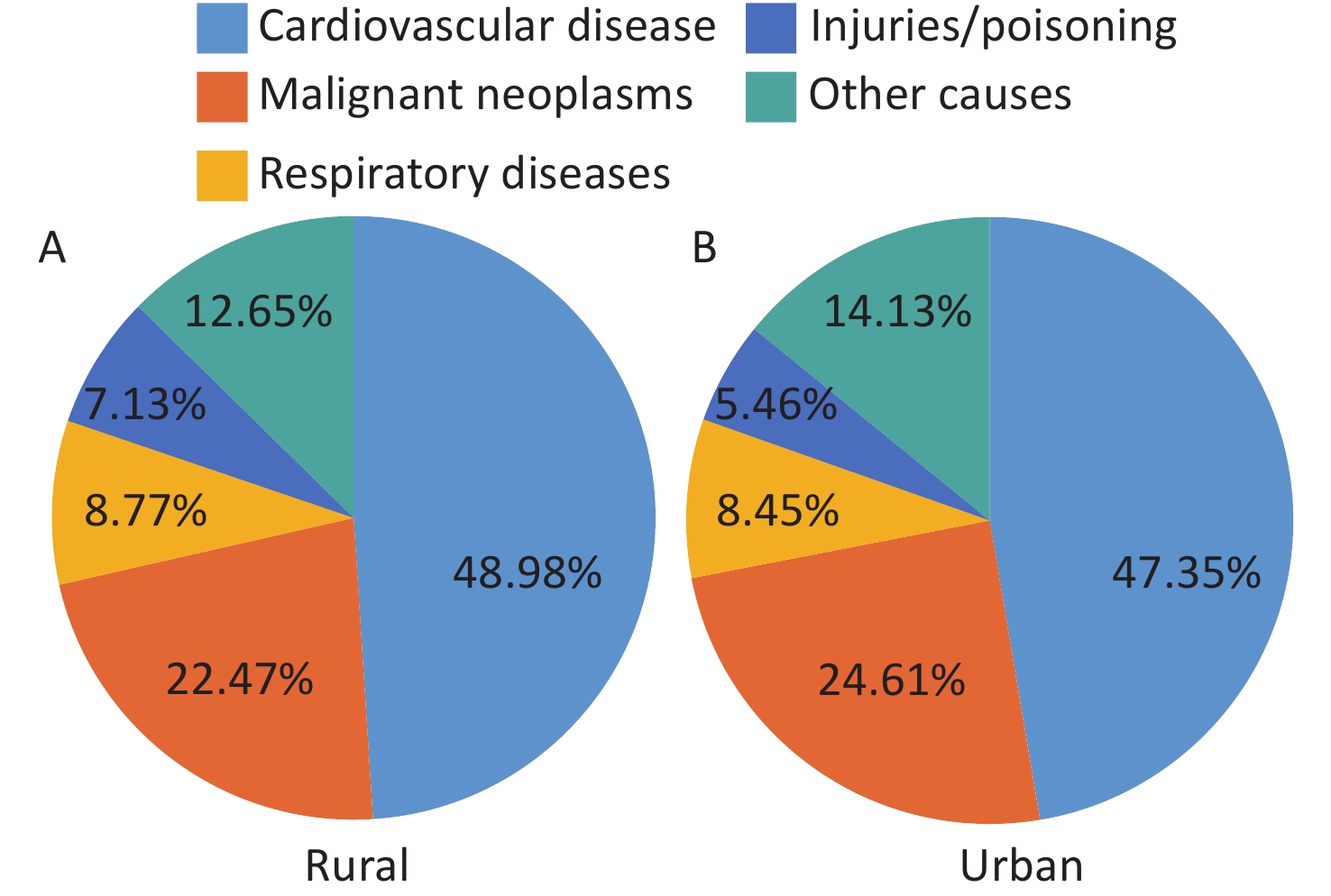
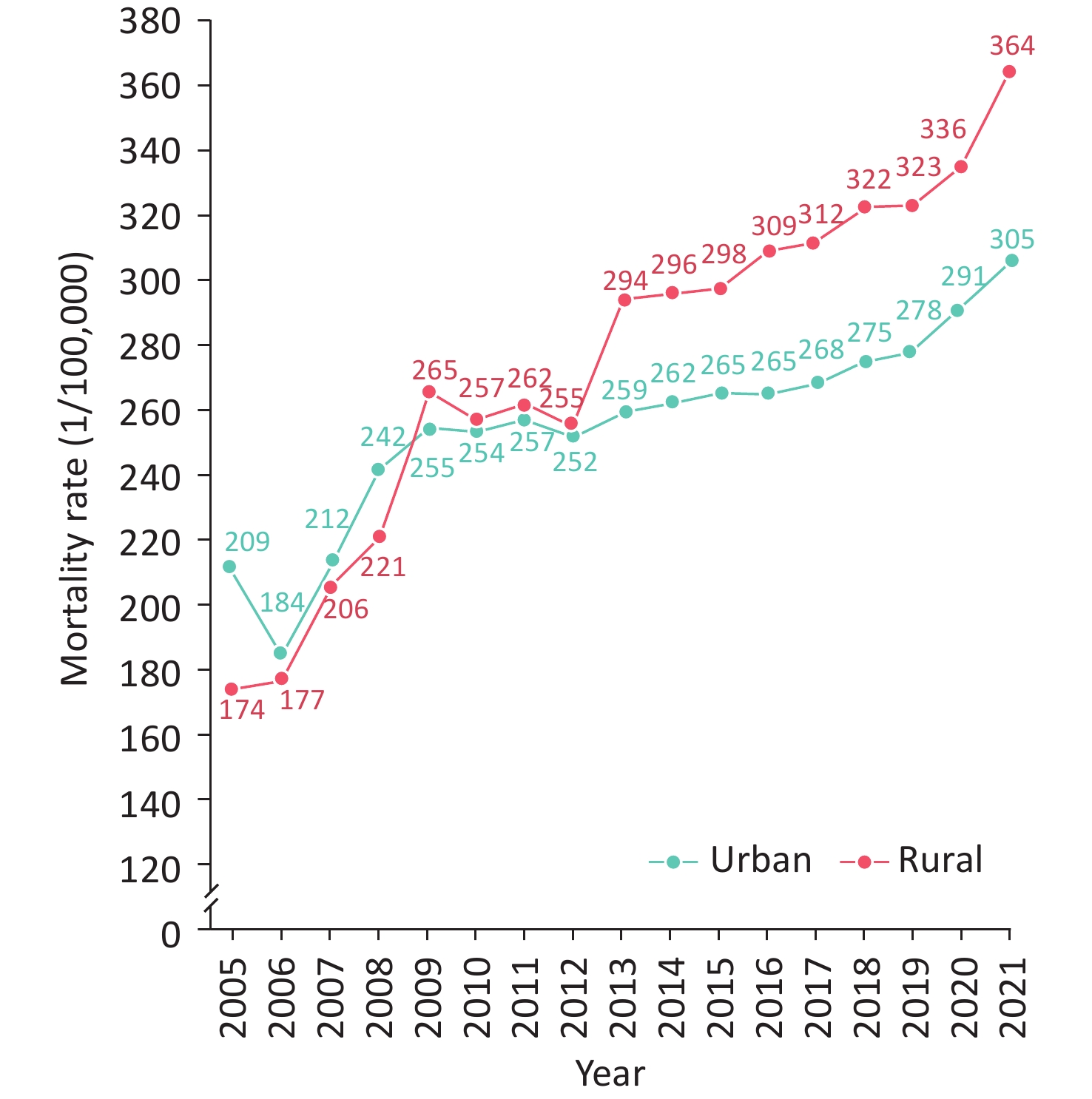
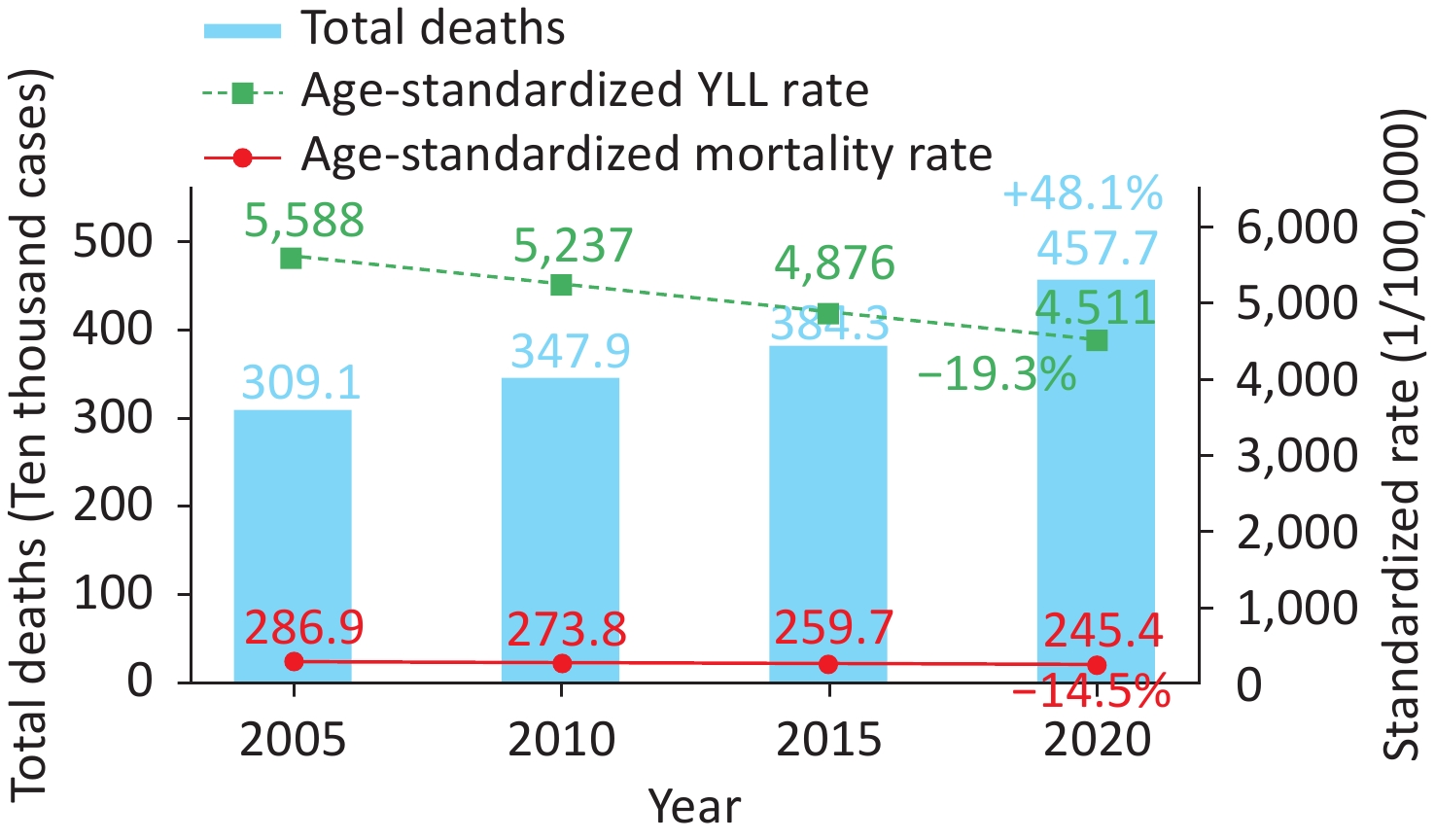
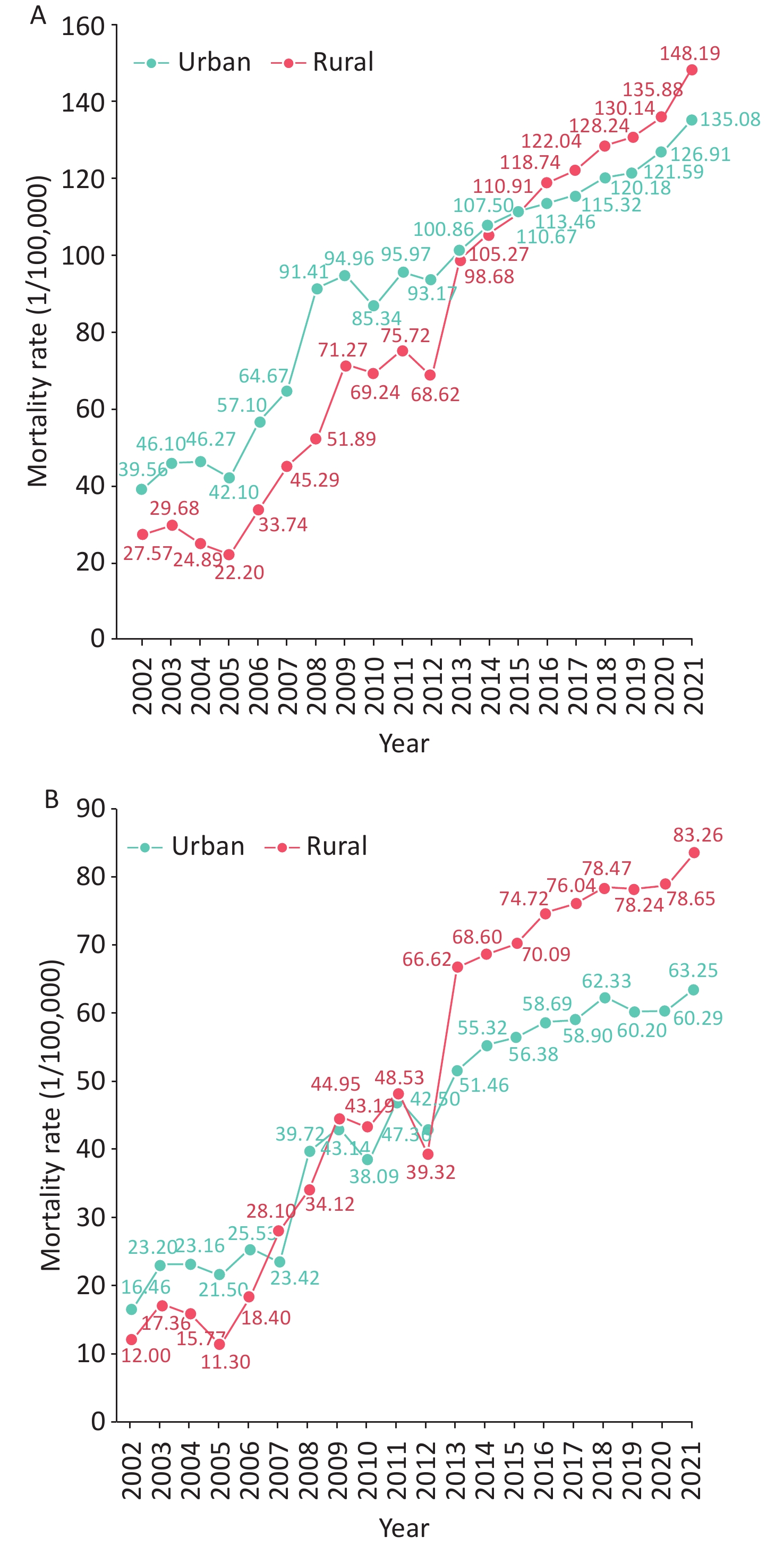
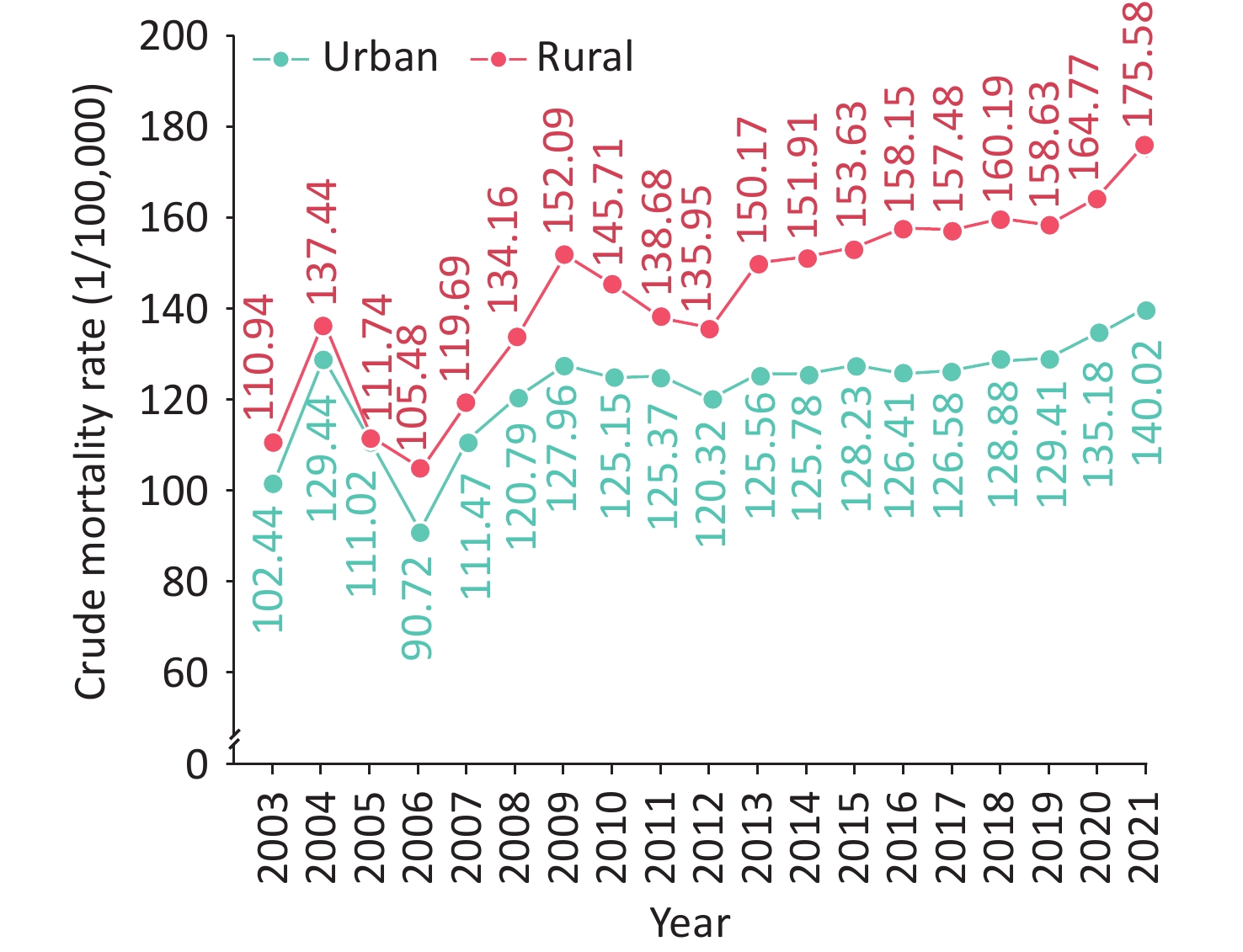
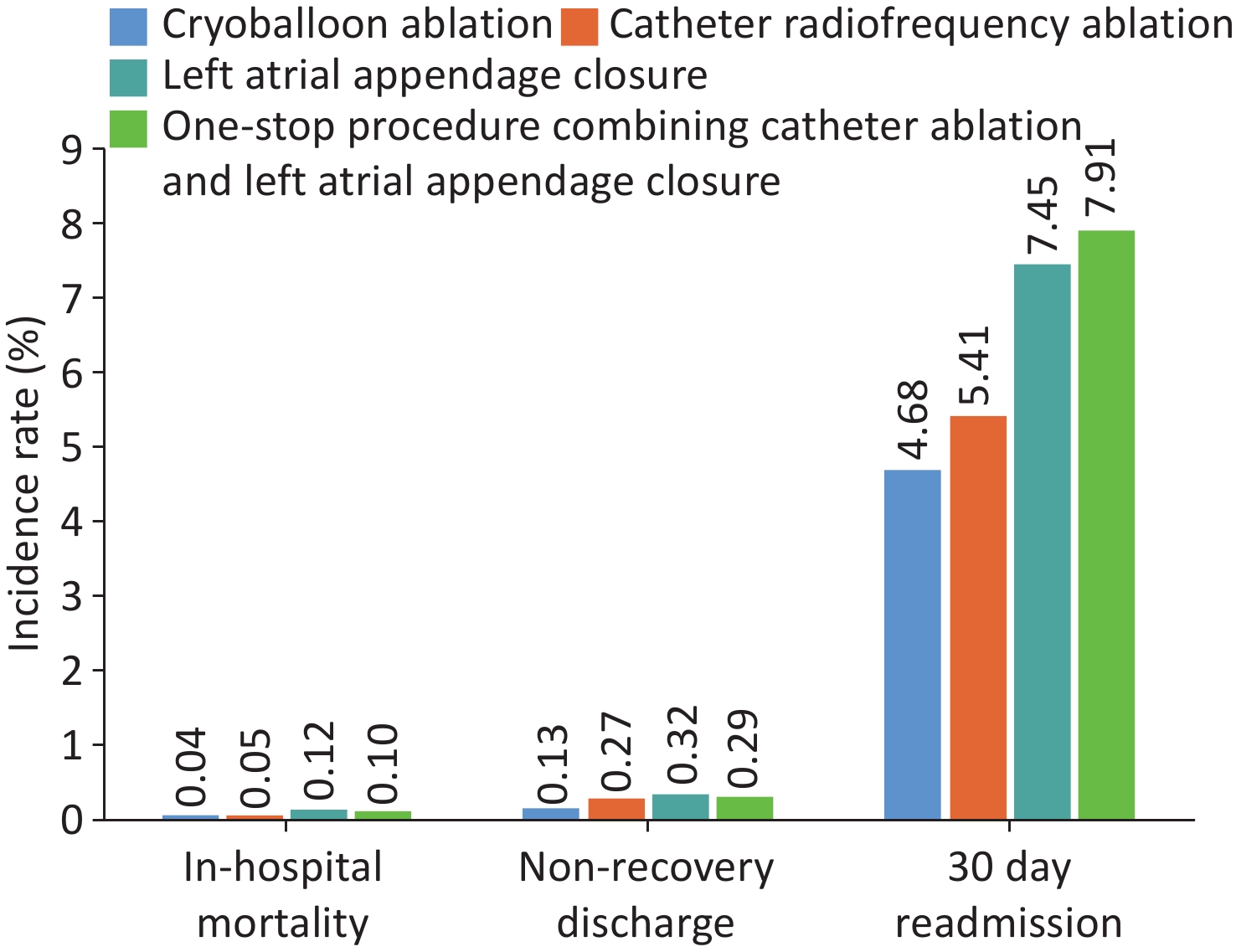
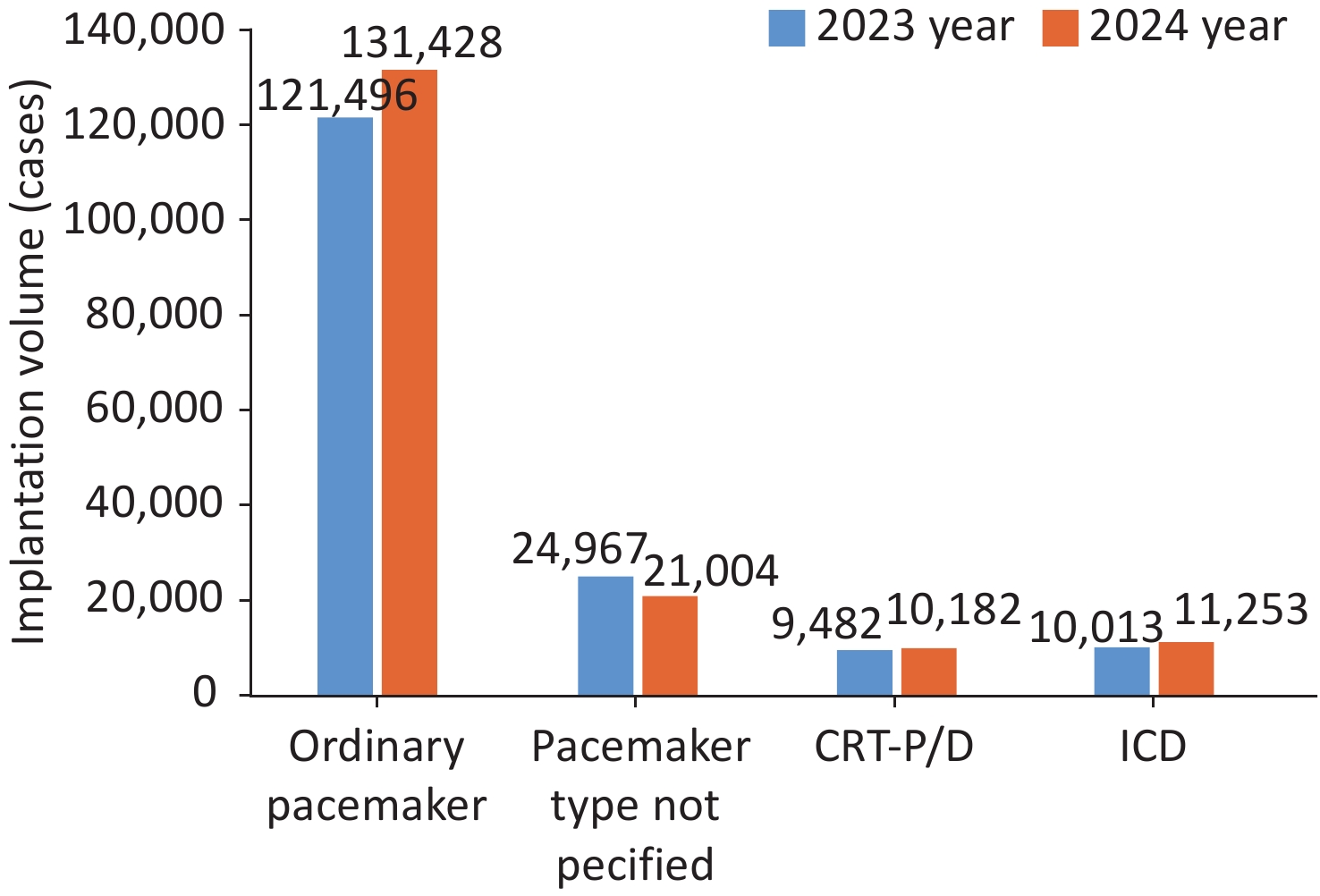
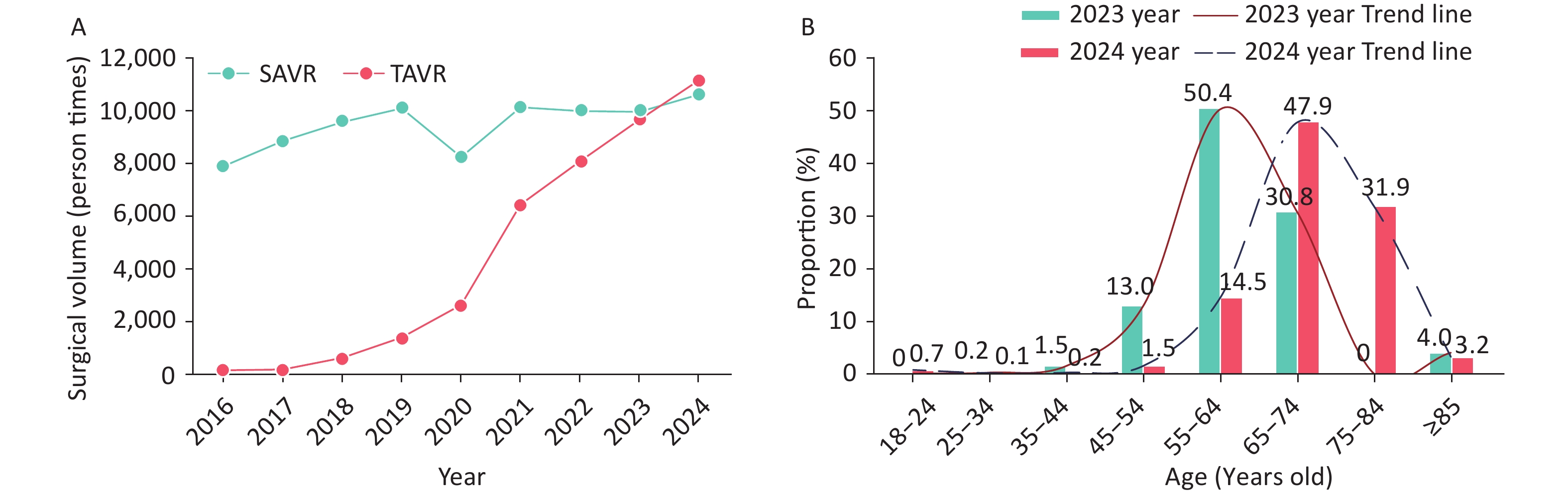
The “Report on Cardiovascular Health and Diseases in China 2025”, guided by the National Health Commission and compiled under the auspices of the National Center for Cardiovascular Diseases, systematically integrates multi-dimensional data on cardiovascular diseases (CVD) trends, the evolution of risk factors, advances in diagnosis and treatment, rehabilitation management, medical device innovation, and health economics evaluations in China, providing a scientific basis for policy formulation, resource allocation, and intervention prioritization. According to the data, CVD remains the leading cause of death among urban and rural residents in China, accounting for 48.98% of rural deaths and 47.35% of urban deaths in 2021, approximately 2 in every 5 deaths were attributable to CVD. Although the age-standardized mortality rate has declined, the absolute number of CVD cases and deaths continues to rise due to accelerated population aging and the high prevalence of risk factors. In 2024, the crude incidence rate of CVD among Chinese residents aged 18 years and above was 639.46 per 100,000 population, with rates higher in males than in females. The mortality rate in rural areas has consistently remained higher than in urban areas. The Healthy China Action Plan (2019−2030) sets a target to reduce the mortality rate of cardiovascular and cerebrovascular diseases to below 190.7 per 100,000 population by 2030. To achieve this goal, the report calls for a refined monitoring system to continuously track key health indicators, including tobacco use, dietary patterns, physical activity, sleep quality, body mass index, blood pressure, blood lipids, blood glucose, and environmental exposures. This effort aims to facilitate the transition from a “treatment-centered” to a “health-centered” approach.
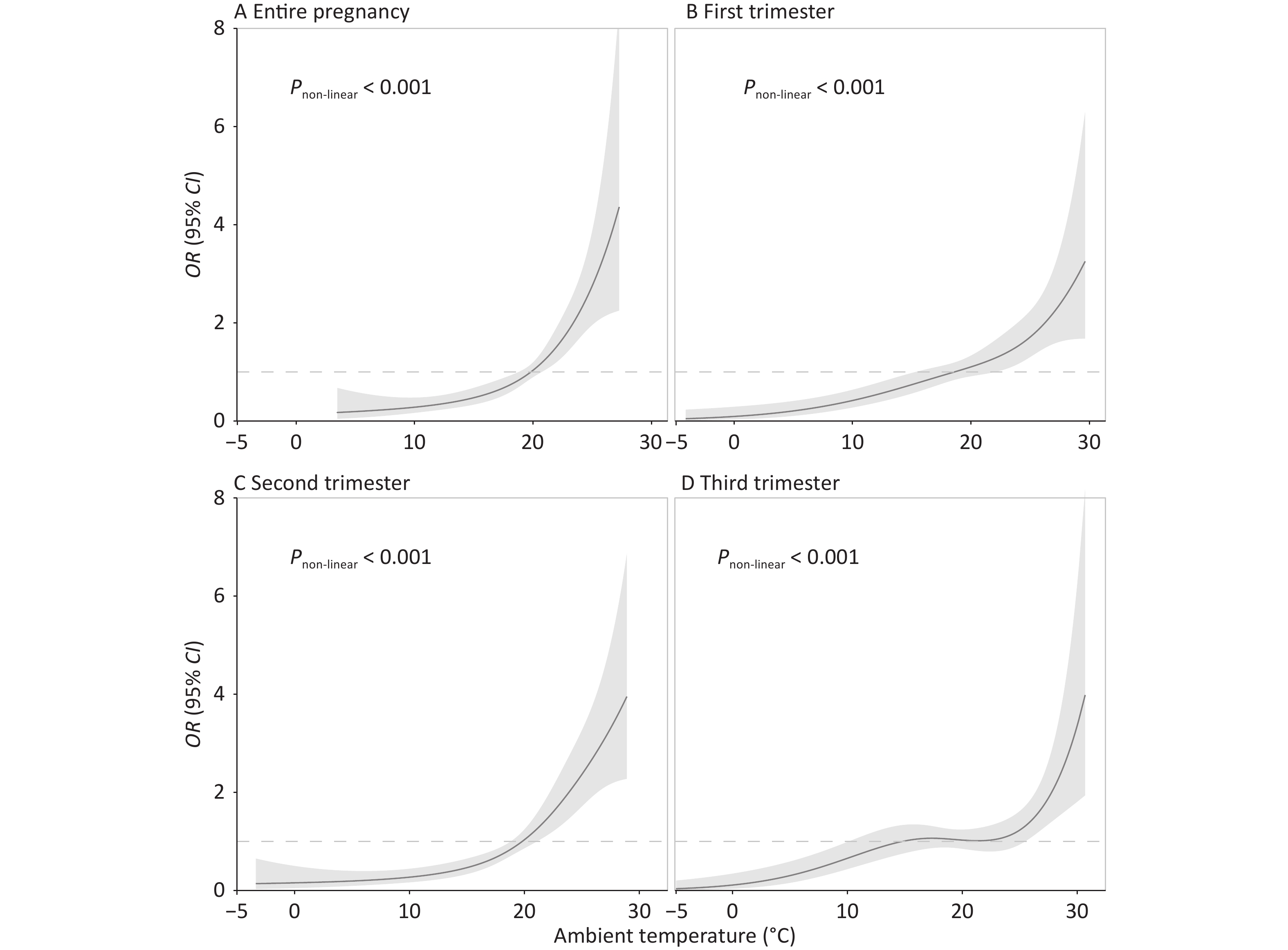
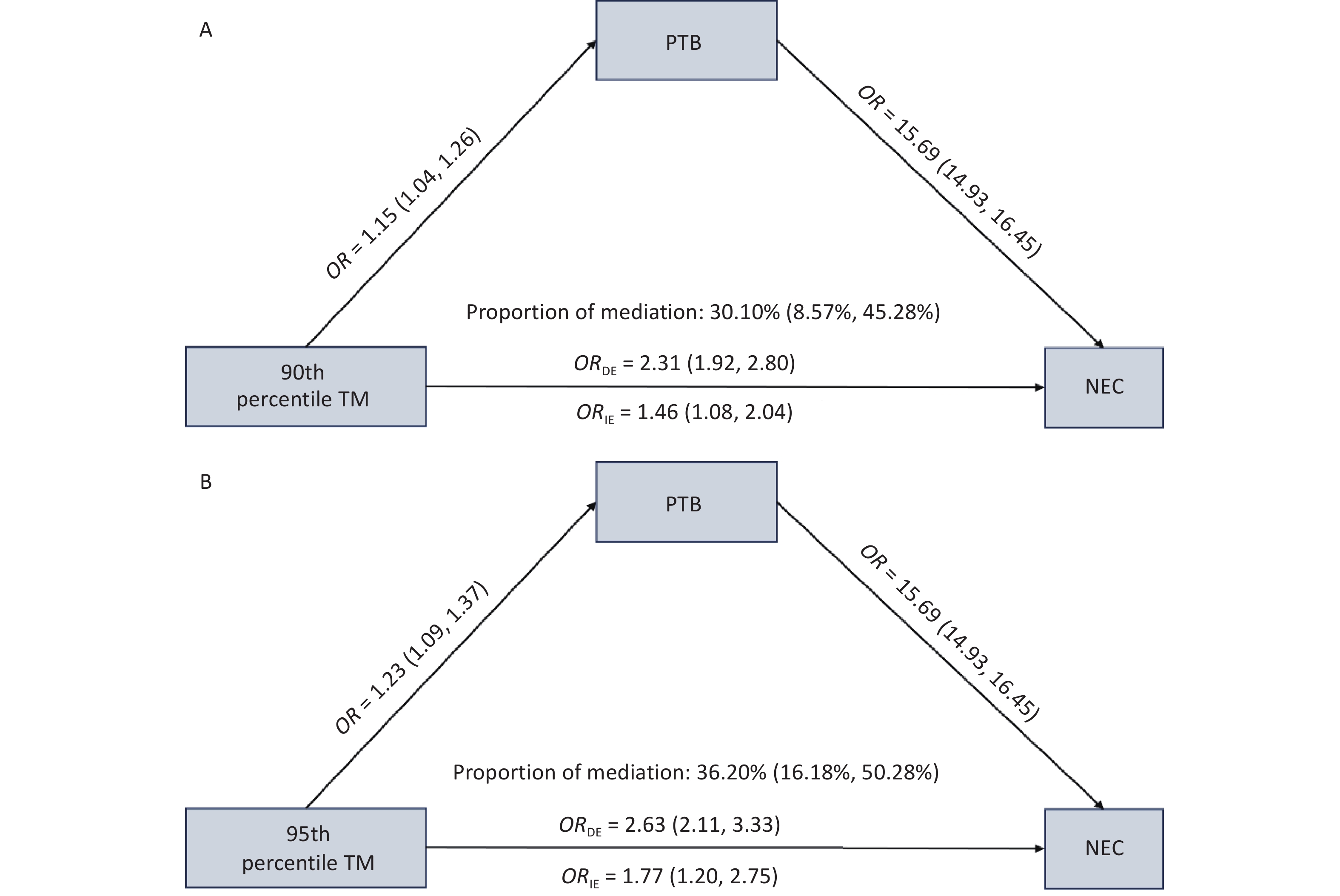
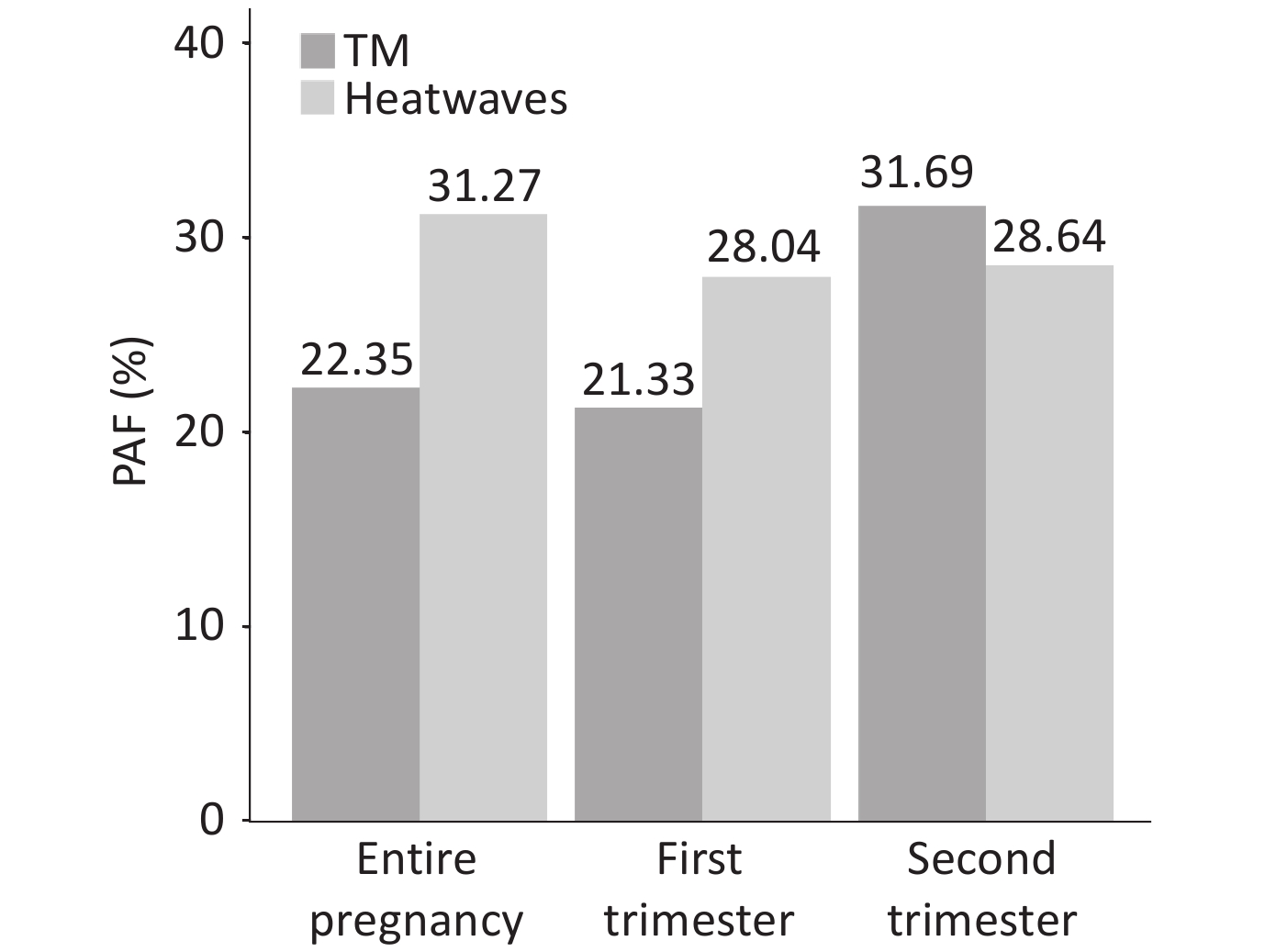
Objective The association between necrotizing enterocolitis (NEC) and prenatal heat exposure has not been adequately studied. We estimated the association of prenatal high ambient temperature (TM) and heatwave exposure with NEC and to identified susceptible exposure windows.Methods Generalized linear models were applied to examine the associations between high TM and heatwaves exposures with NEC. Mediation analysis was used to investigate the role of preterm birth (PTB) in the relationship between high TM and NEC during pregnancy.Results We included 8,334 twin pairs and their mothers: 227 (2.72%) twin pairs were NEC cases. Compared to the reference temperature (19.8 °C), prenatal exposure to the 90th percentile TM (24.8 °C) was associated with NEC risk [odds ratio (OR), 2.68; 95% confidence interval (CI): 1.93–3.72]. Trimester-specific ORs were 2.41 (95% CI: 1.63–3.55), 3.30 (95% CI: 2.18–4.99), and 2.06 (95% CI: 1.43–2.98) for the first, second, and third trimesters, respectively. Exposure to heatwaves during the entire pregnancy, first, and second trimesters showed ORs of 1.98 (95% CI: 1.14–3.43), 1.81 (95% CI: 1.26–2.59), and 1.81 (95% CI: 1.19–2.75), respectively. PTB mediated the association between the 90th and 95th percentile TM exposure during the entire pregnancy and NEC, with the mediation proportions of 30.10% (95% CI: 8.57–45.28) and 36.20% (95% CI: 16.18–50.28), respectively.Conclusion Prenatal exposure to high TM levels and heat waves, especially in the first and second trimesters, was positively associated with the risk of NEC. PTB may partially mediate the relationshipbetween high TM exposure and NEC.
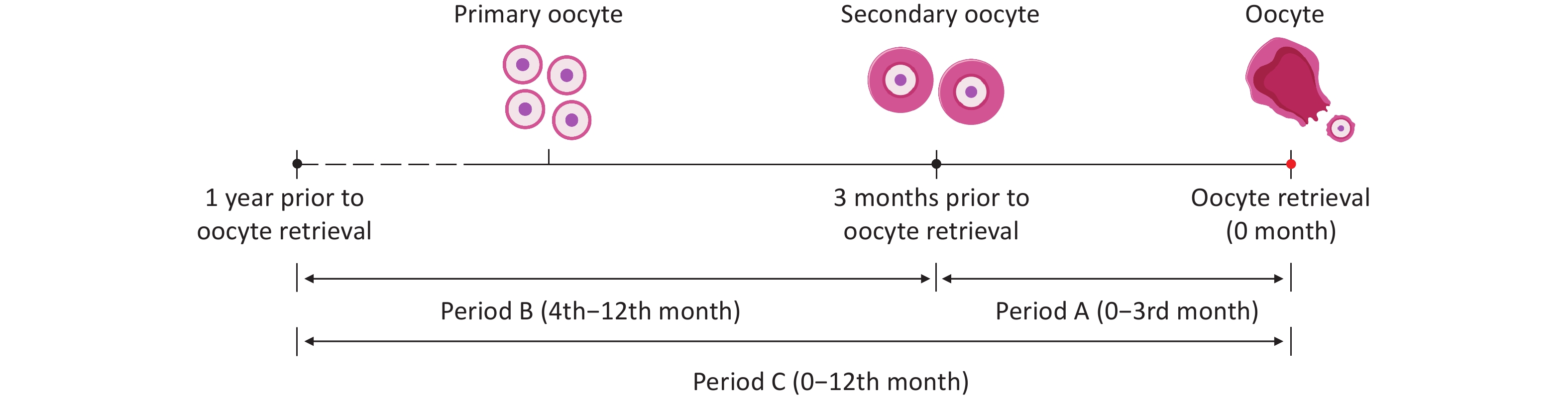
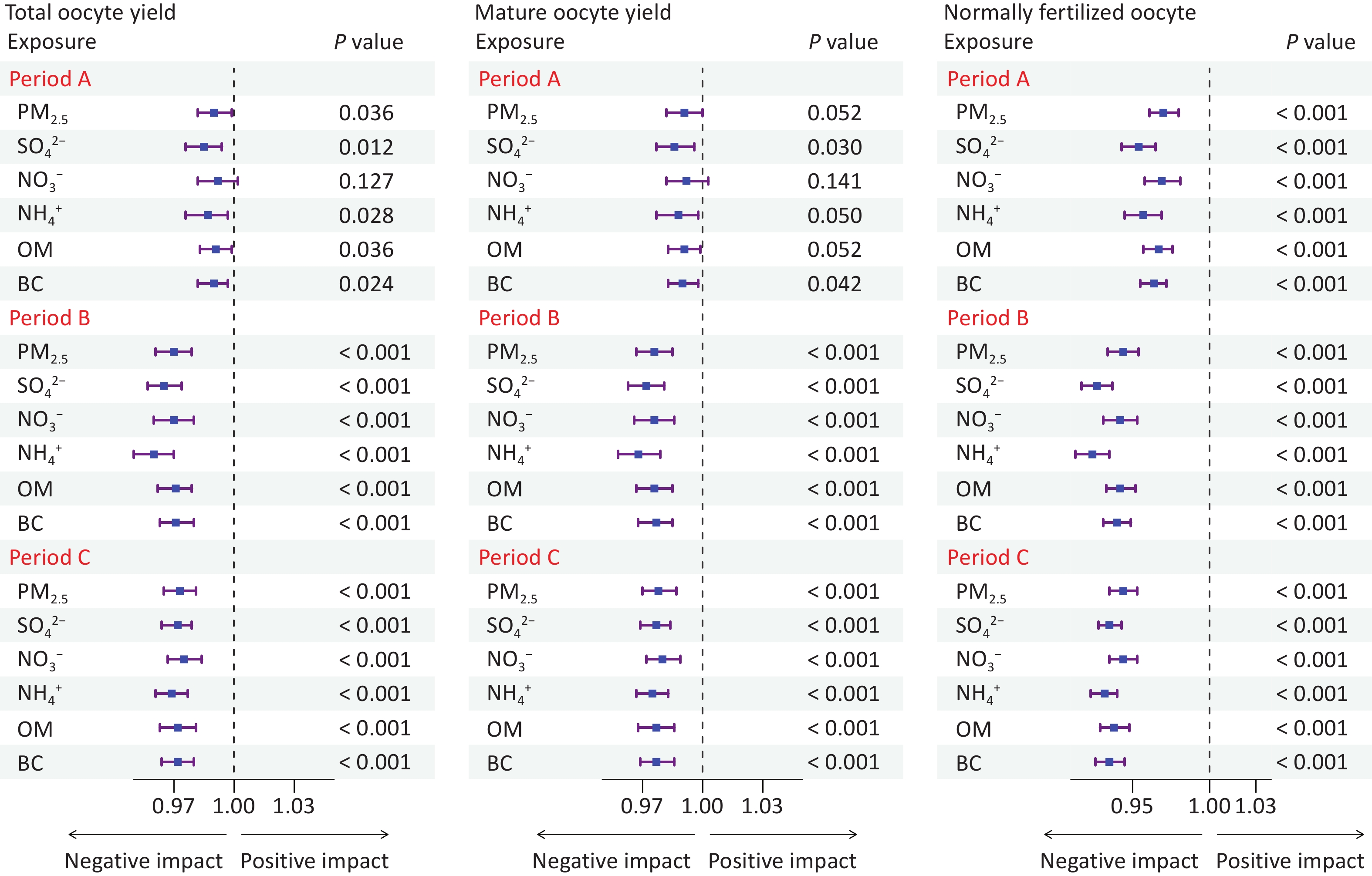
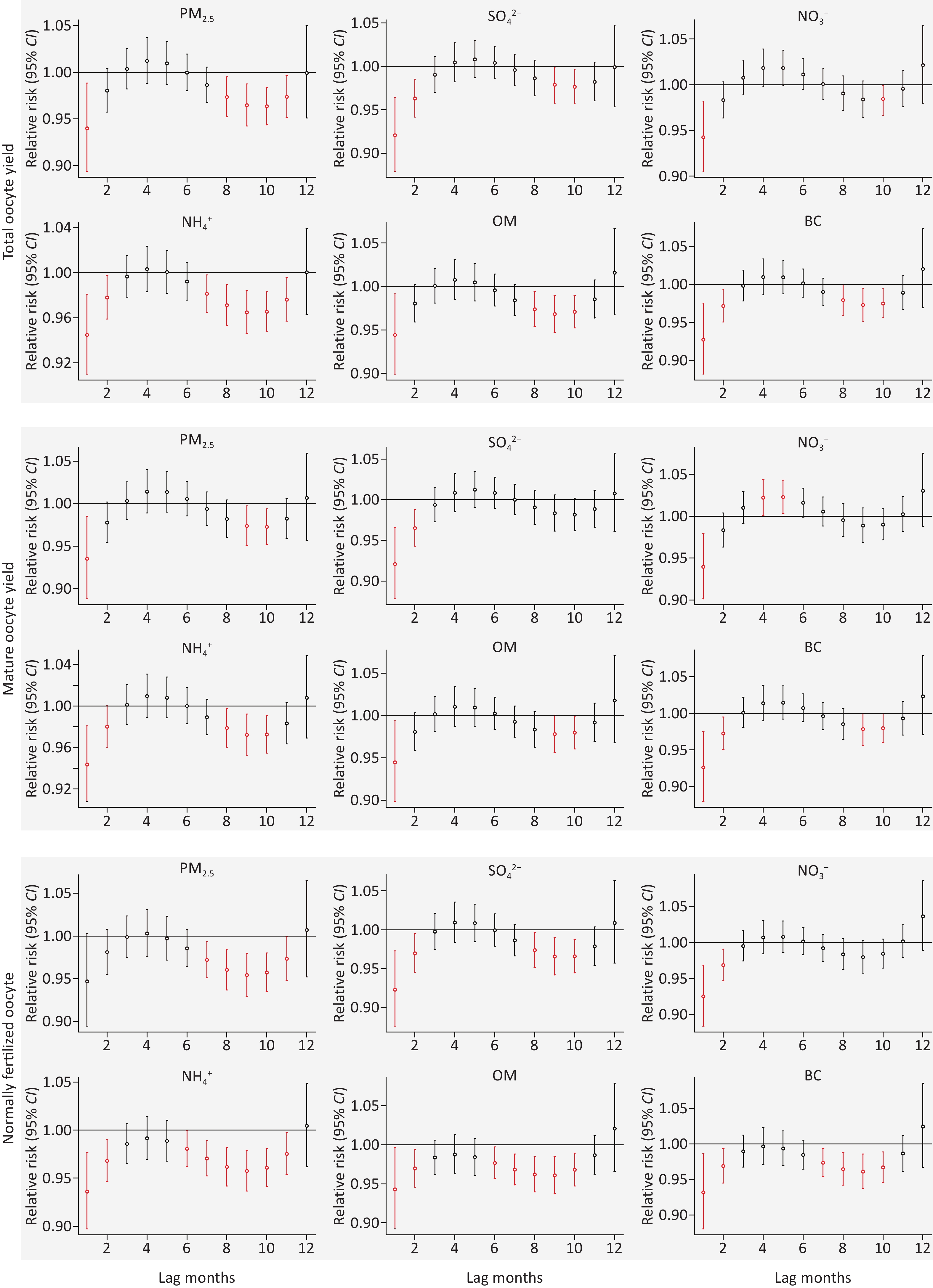
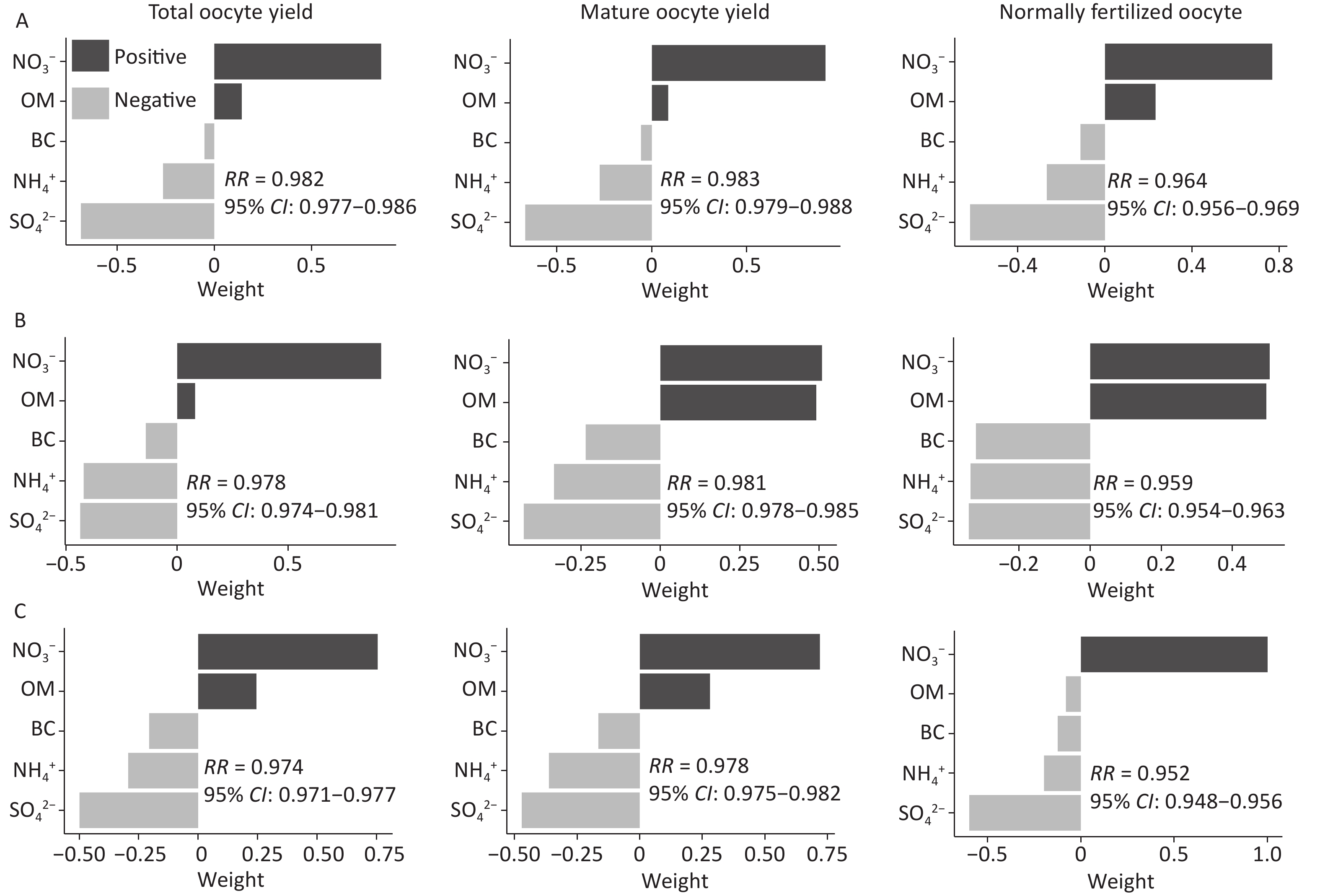
Objective Fine particulate matter (PM2.5) may impair follicular development; however, the roles of its chemical components and their time-specific effects remain unclear. This study examined how PM2.5 and its major components are related to oocyte-related outcomes among women undergoing assisted reproductive technology (ART) and identified critical exposure windows.Methods A total of 51,122 ART cycles were analyzed. Individual exposures to PM2.5 and its components, sulfate (SO42-), nitrate (NO3-), ammonium (NH4+), organic matter (OM), and black carbon (BC), were estimated for three periods: recent (0–3 months), distal (4–12 months), and cumulative (0–12 months). Associations between total, mature, and normally fertilized oocytes were assessed using negative binomial regression. Distributed lag non-linear models (DLNM) identified sensitive windows, and mixture models evaluated joint effects.Results Higher PM2.5 and component exposures were consistently associated with poorer oocyte outcomes, with stronger effects for distal exposure. Two sensitive windows, 1 month and 6–11 months before retrieval, were identified. Mixture analyses indicated SO42- and NH4+ as the dominant contributors.Conclusion Exposure to PM2.5 showed component-specific and time-dependent reproductive toxicity. Both short- and long-term exposure may reduce oocyte quantity and quality, highlighting the importance of improving air quality to support female reproductive health and ART success.
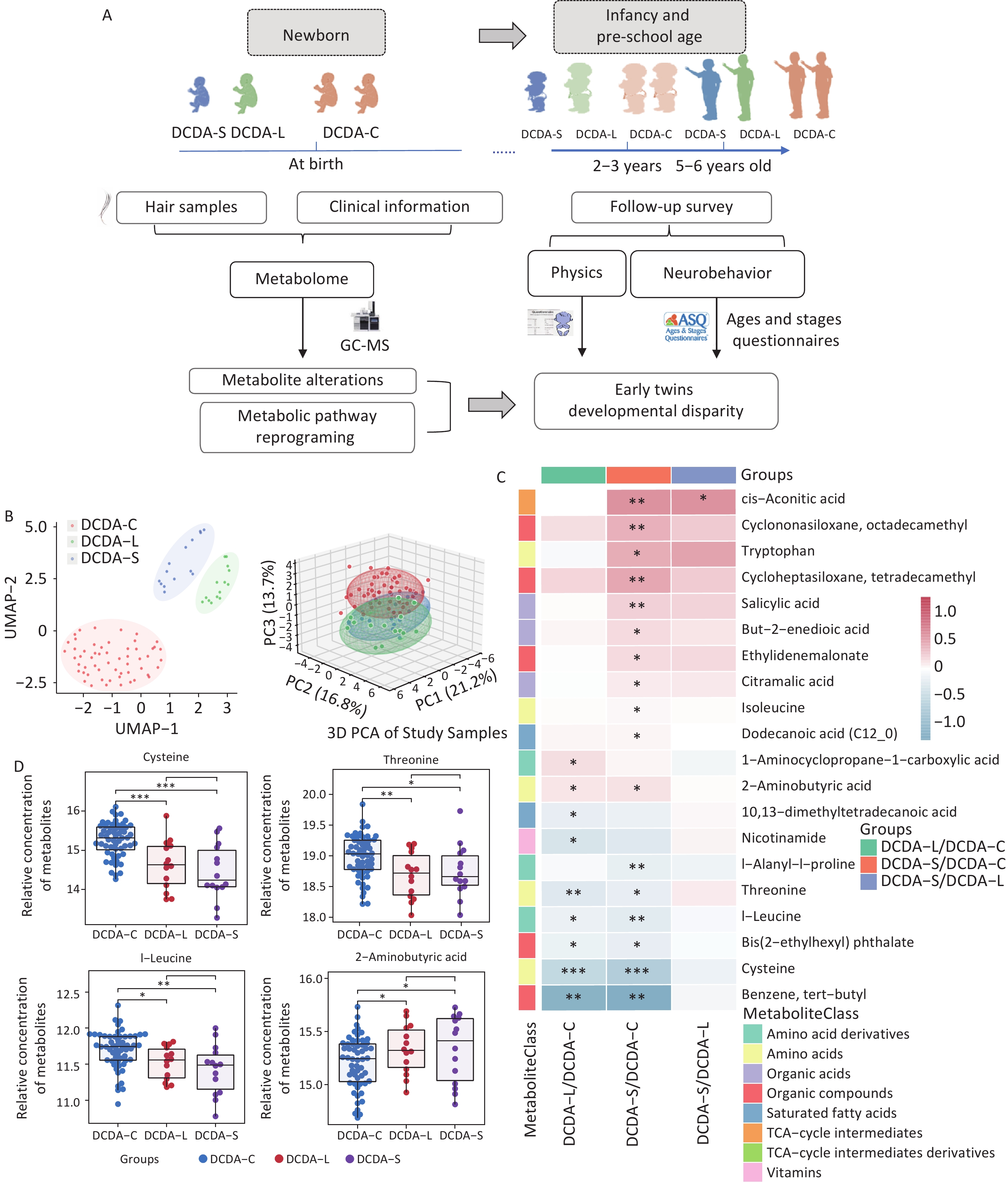
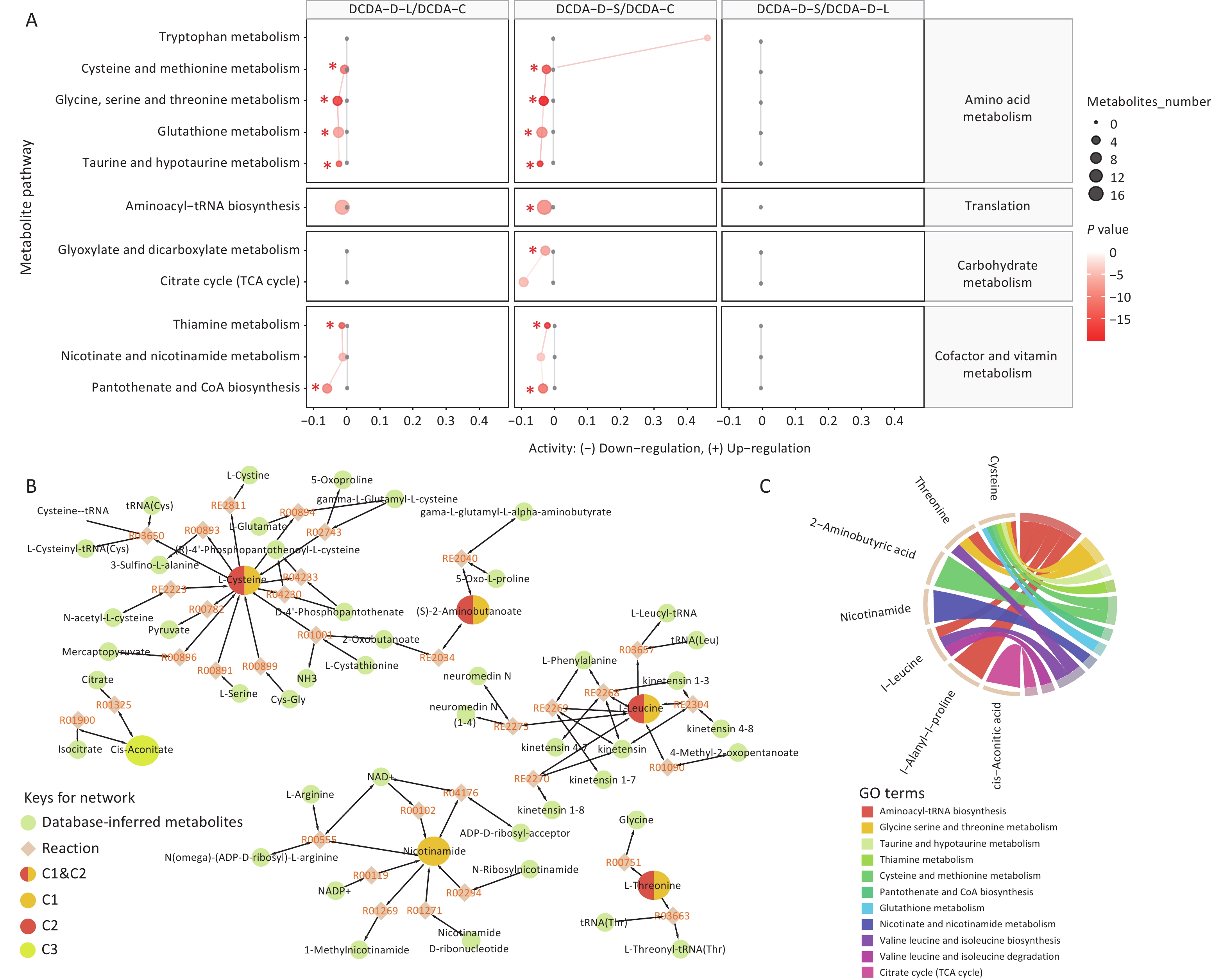
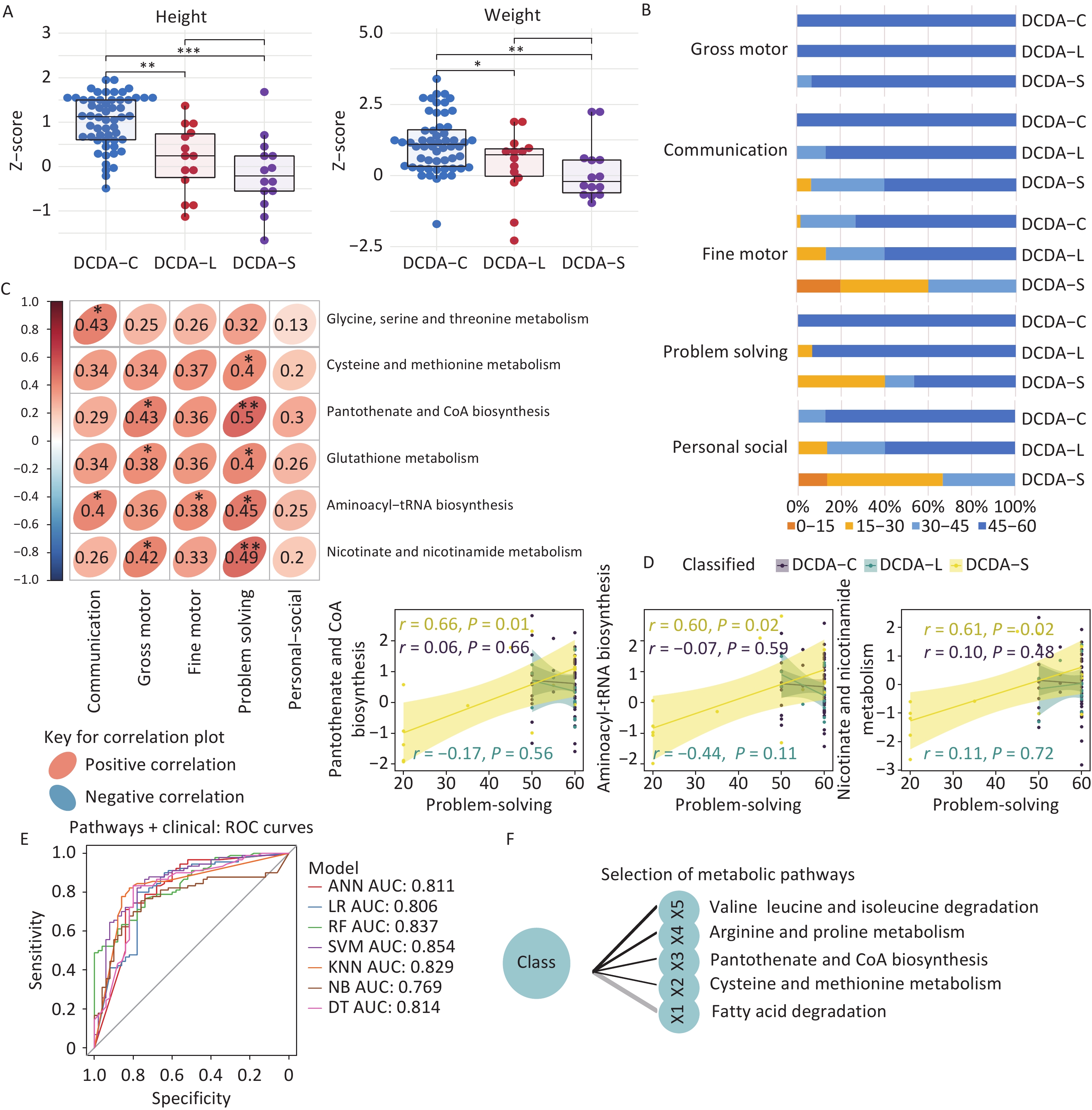
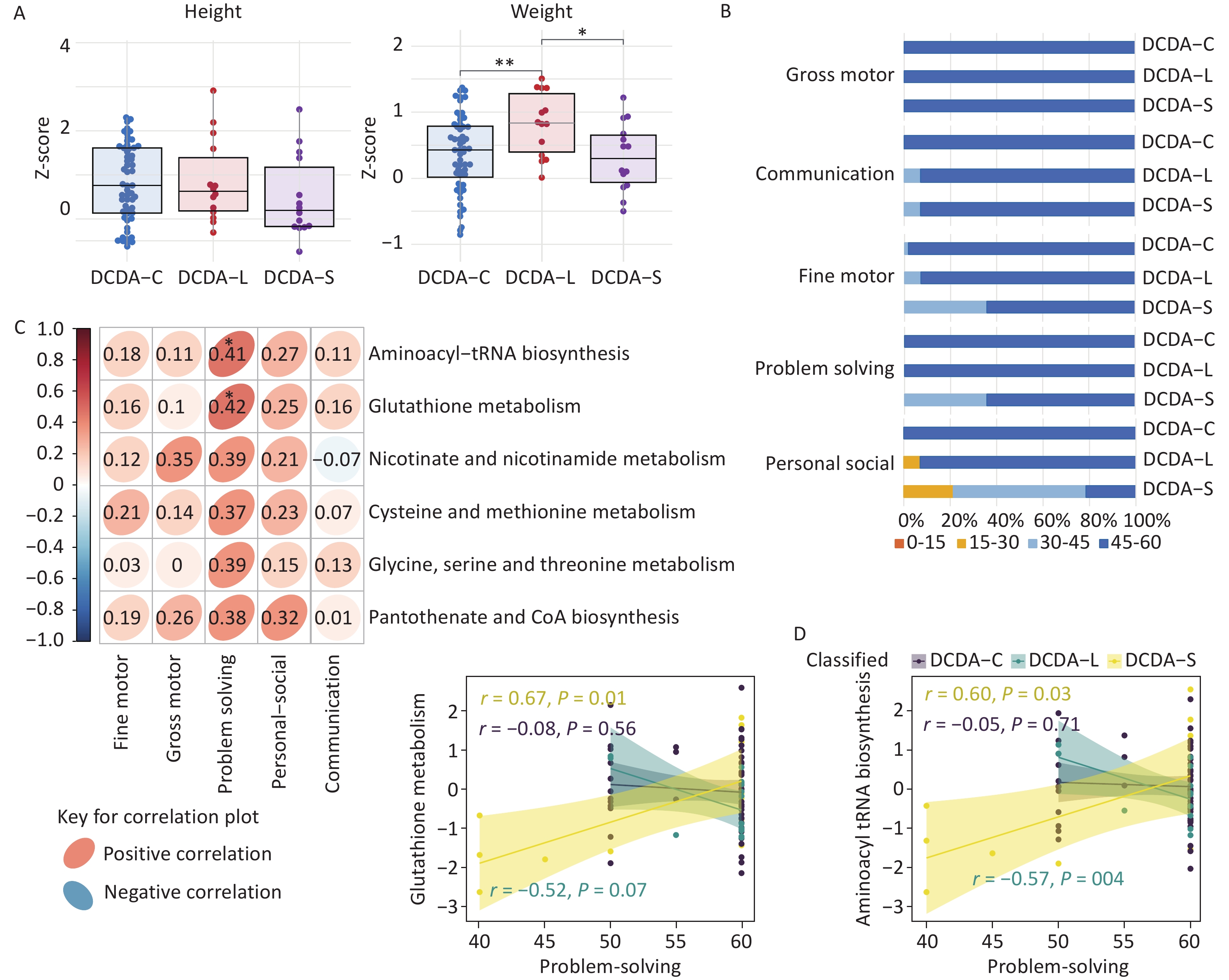
Objective Selective fetal growth restriction (sFGR) in dichorionic-diamniotic (DCDA) twins is associated with the risk of adverse neurodevelopment; however, the underlying metabolic dysregulation remains poorly characterized. We aimed to characterize the neonatal hair metabolome associated with sFGR in DCDA twins and assess its predictive value for long-term neurodevelopment.Methods Forty-two pairs of DCDA twins were stratified into the sFGR-DCDA (twins with birth weight [BW] discordance) and DCDA-C (twins with BW concordance) groups. Neonatal hair metabolites were profiled using gas chromatography-mass spectrometry (GC-MS). Pathway analysis and machine learning were used to identify metabolic signatures predictive of neurodevelopment, which were assessed using the Ages and Stages Questionnaire (Third Edition) at 2–3 and 5–6 years of age.Results The smaller neonates in the sFGR-DCDA group (DCDA-S) showed significant downregulation of cysteine, methionine, glutathione, aminoacyl-tRNA, and nicotinate and nicotinamide metabolism in comparison with the neonates in the DCDA-C group. Reduced glutathione and aminoacyl-tRNA pathway activity correlated with lower problem-solving scores. An exploratory machine learning model incorporating pantothenate and coenzyme A biosynthesis, cysteine and methionine metabolism, and nicotinate and nicotinamide metabolism showed a preliminary discriminatory capacity for low personal-social scores in DCDA-S children at 2–3 years of age.Conclusion Neonatal hair metabolomics in DCDA-S children reflect intrauterine disturbances in antioxidant and protein synthesis pathways associated with later neurodevelopmental outcomes, providing a non-invasive window into metabolic programming in sFGR.
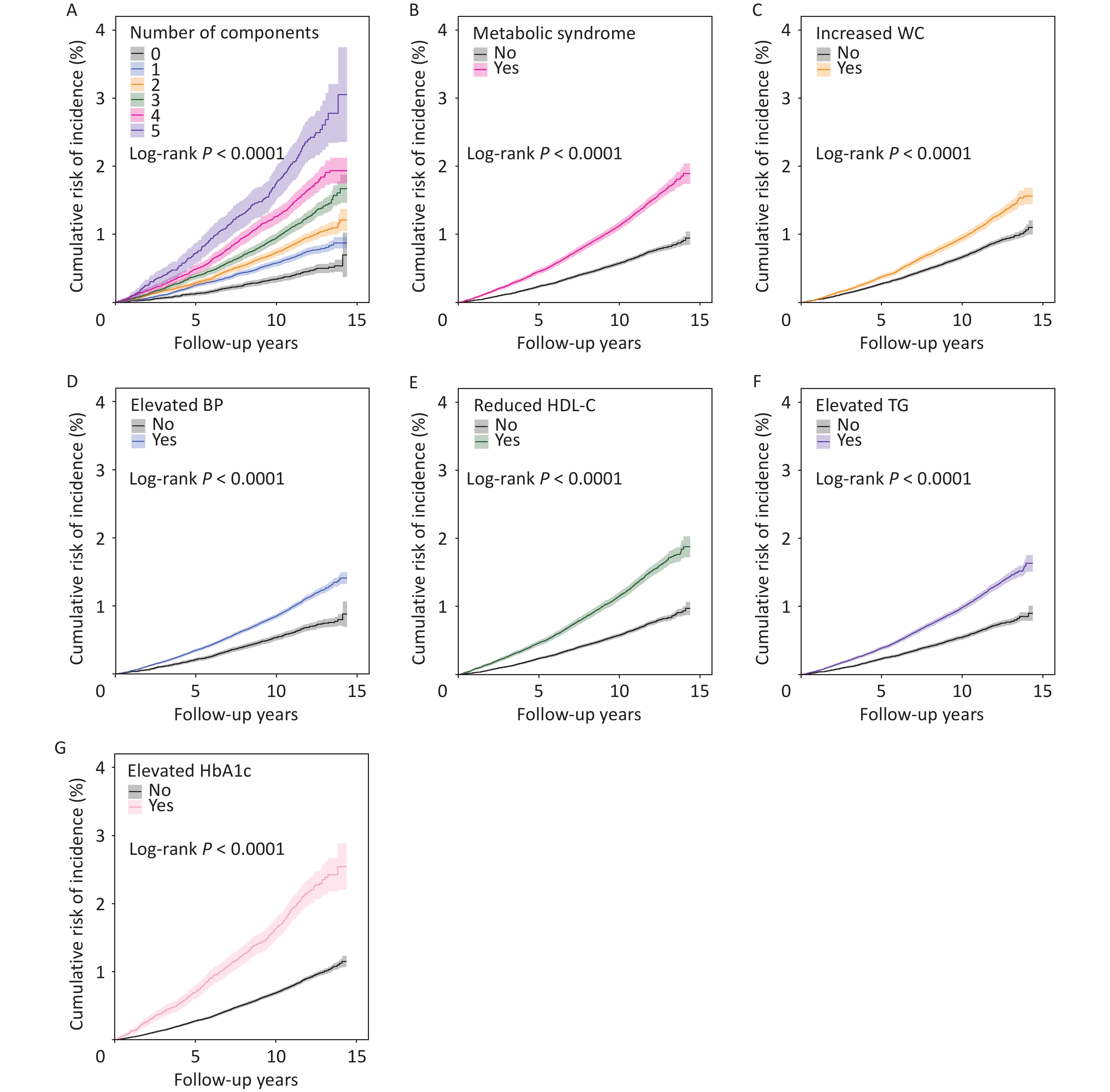
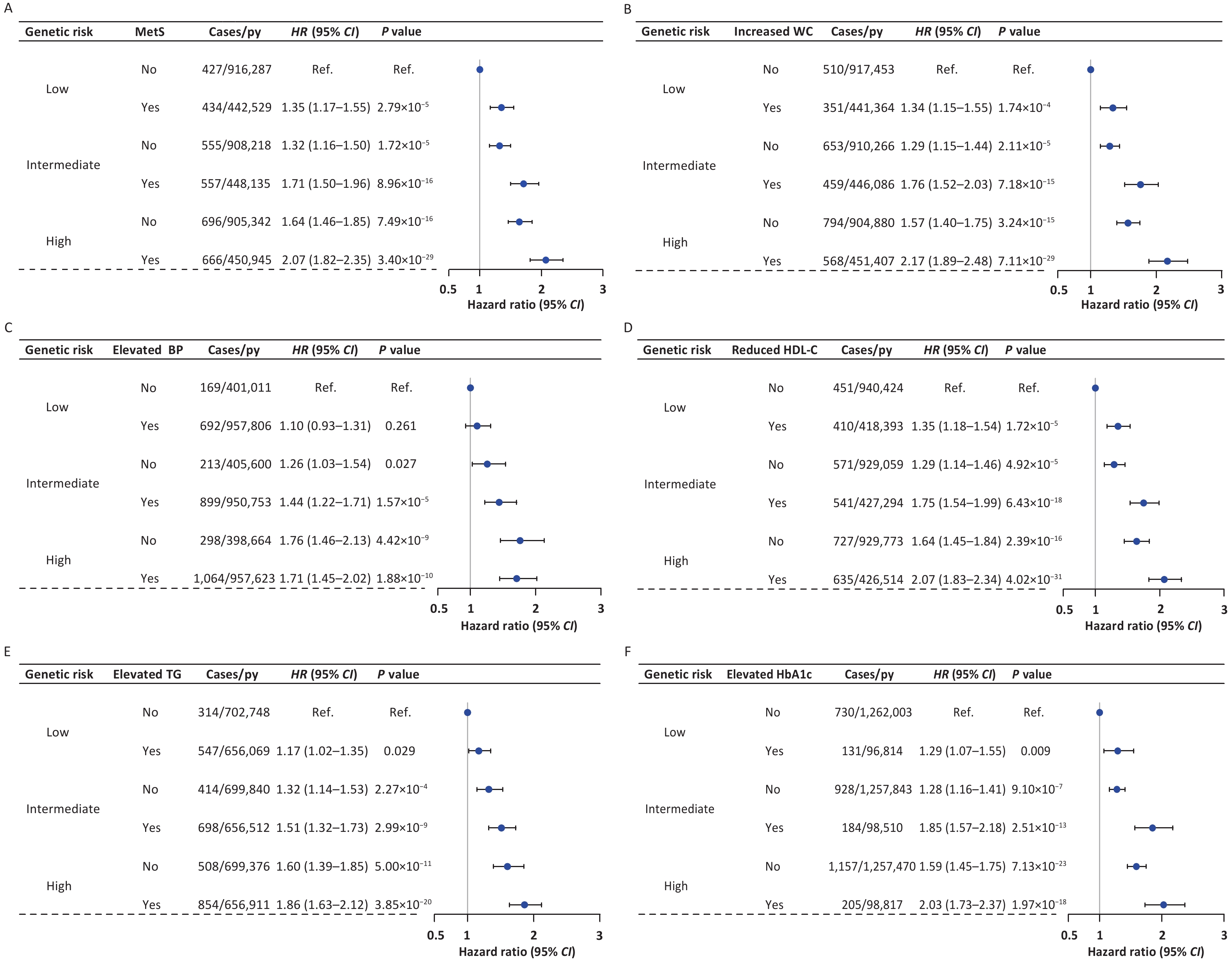
Objective To investigate the effects of metabolic syndrome (MetS) and its interaction with genetic factors on lung cancer incidence and mortality.Methods The cohort analysis included 355,344 participants from the UK Biobank. MetS was defined using the modified National Cholesterol Education Program Adult Treatment Panel III criteria. Cox proportional hazards models were used to evaluate the associations between MetS-related variables, their interactions with genetic factors, and lung cancer outcomes (incidence and mortality).Results MetS was associated with increased risks of lung cancer incidence (hazard ratio [HR]: 1.31, 95% confidence interval [CI]: 1.22–1.42) and mortality (HR: 1.35, 95% CI: 1.24–1.48). Risk increased proportionally to the number of metabolic abnormalities. Increased waist circumference, reduced high-density lipoprotein cholesterol, and elevated glycated hemoglobin were independently associated with both outcomes. Participants with both high genetic risk and MetS had the highest risk of lung cancer incidence (HR: 2.07, 95% CI: 1.82–2.35) and mortality (HR: 2.12, 95% CI: 1.83–2.45) compared with those with low genetic risk and no MetS. A significant positive additive interaction was observed between waist circumference and genetic risk.Conclusion Metabolic abnormalities are important modifiable risk factors for lung cancer. Integrating metabolic health assessment with genetic risk profiling may improve risk stratification and targeted prevention of lung cancer.
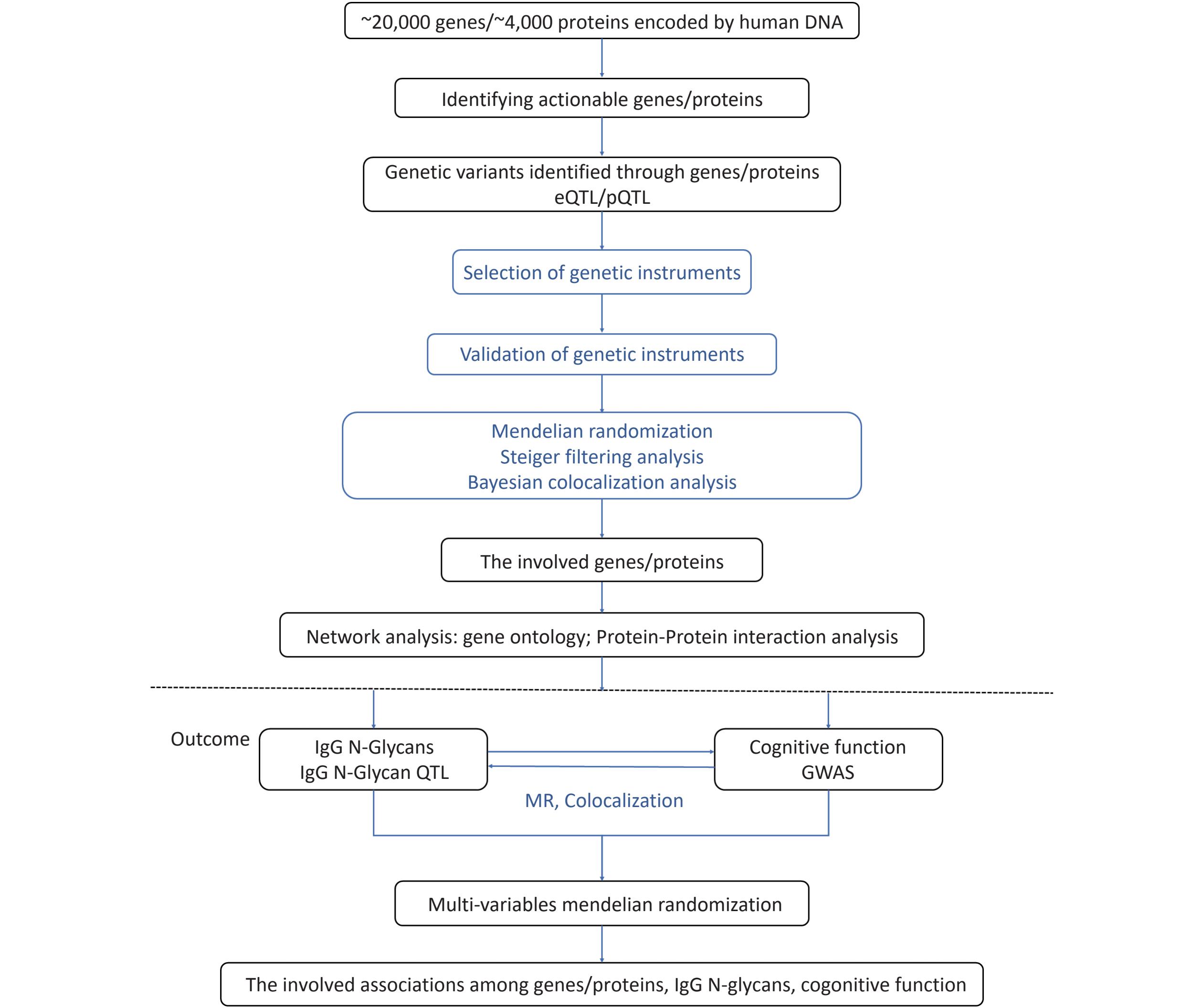
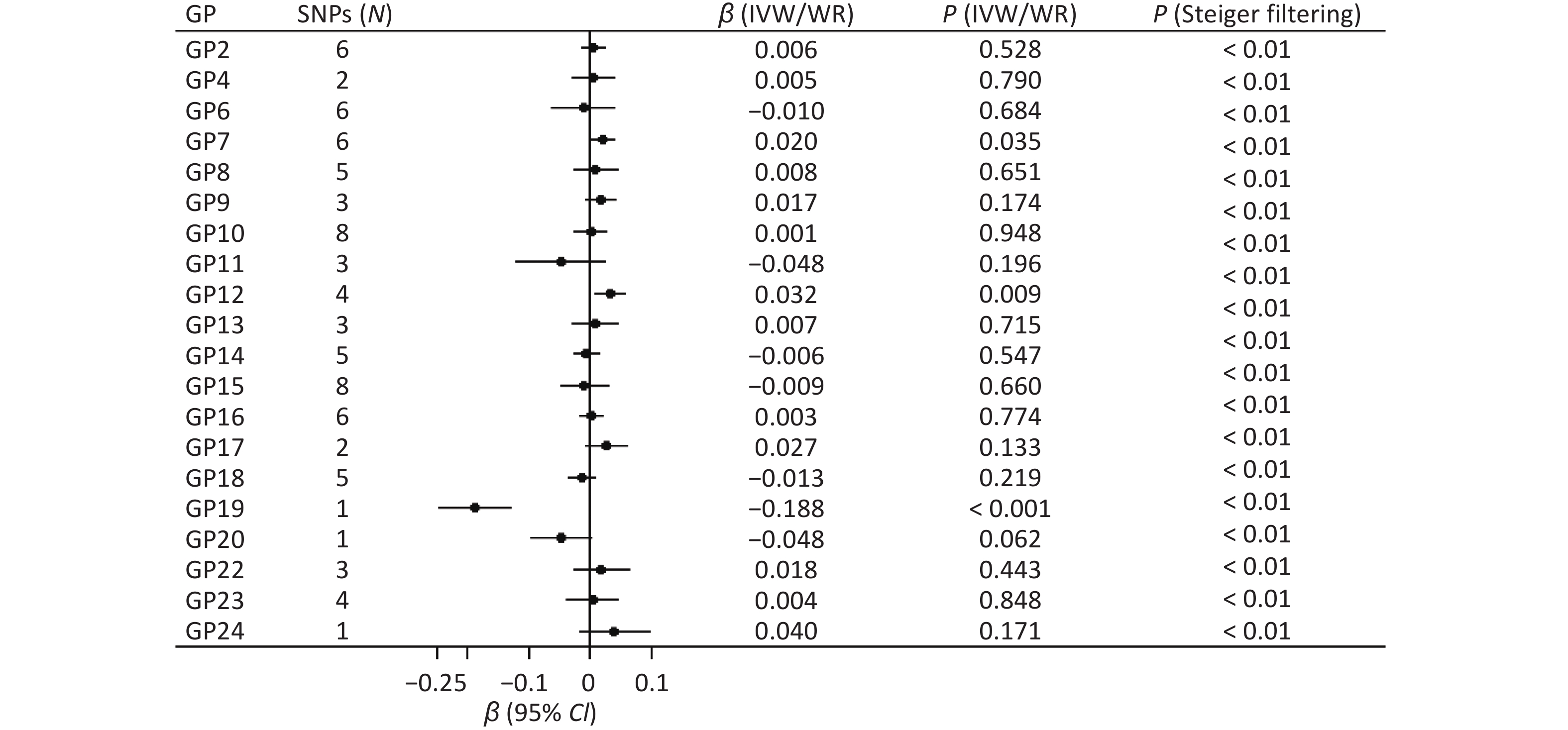
Objective Immunoglobulin G (IgG) N-glycosylation is associated with mild cognitive impairment through the regulation of inflammatory balance; however, the underlying mechanisms remain unclear.Methods Our study utilized a post-genome-wide association studies (GWAS) method that integrated GWAS data for cognitive function with gene expression quantitative trait loci (eQTL), protein QTL (pQTL), and IgG N-glycan-QTL data.Results Mendelian randomization (MR) analyses suggested bidirectional causalities between glycan peaks (GPs) and cognitive function, with GP7, GP12, and GP19 showing a causal effect on cognitive function, while cognitive function conversely showed a causal effect on GP1 and GP8. Two proteins and 10 genes were implicated in the regulation of IgG N-glycosylation. Furthermore, multivariable MR results suggested complex causalities between genes/proteins and IgG N-glycans, which jointly promote or independently affect cognitive function.Conclusion Our study reveals a novel mechanism by which genes, proteins, and modified IgG N-glycans converge to pathologically affect cognitive function.
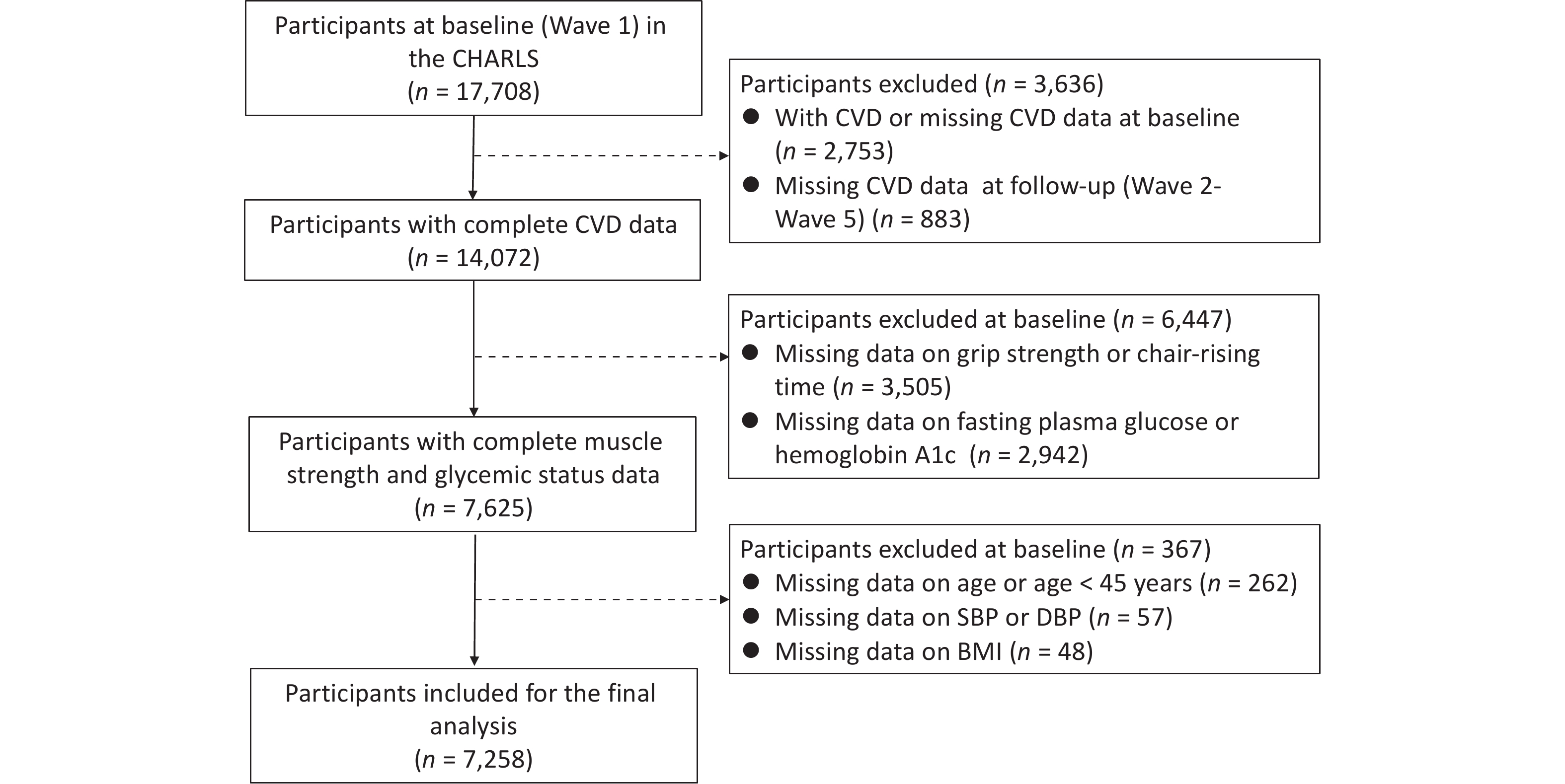
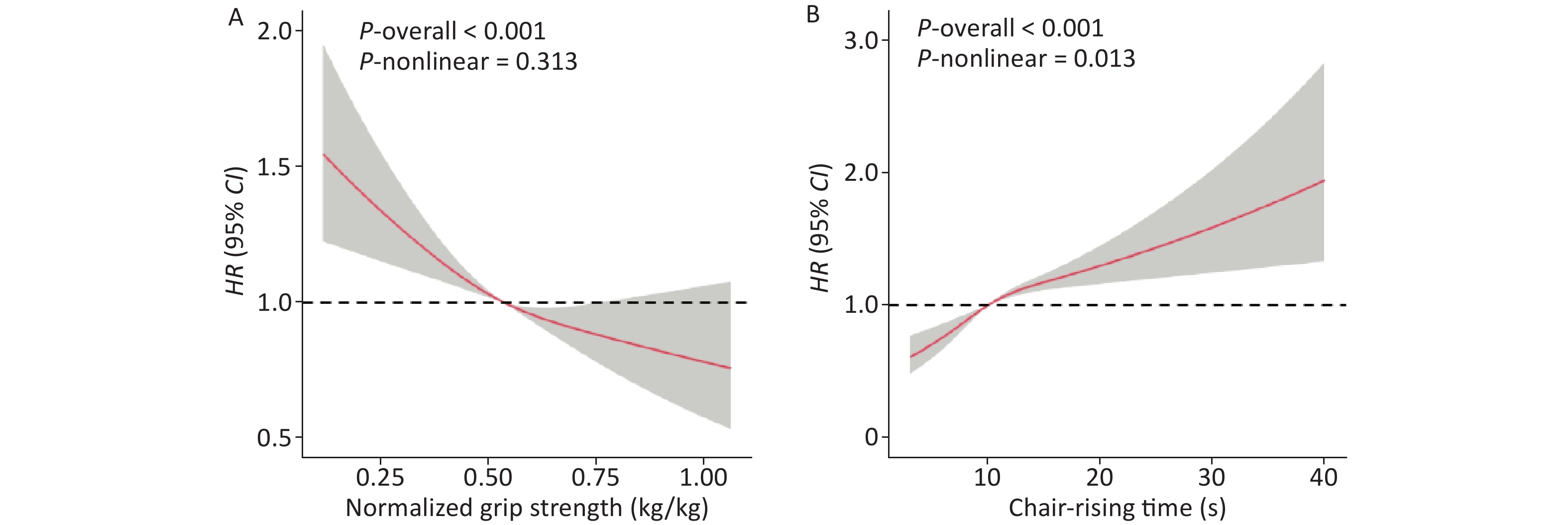
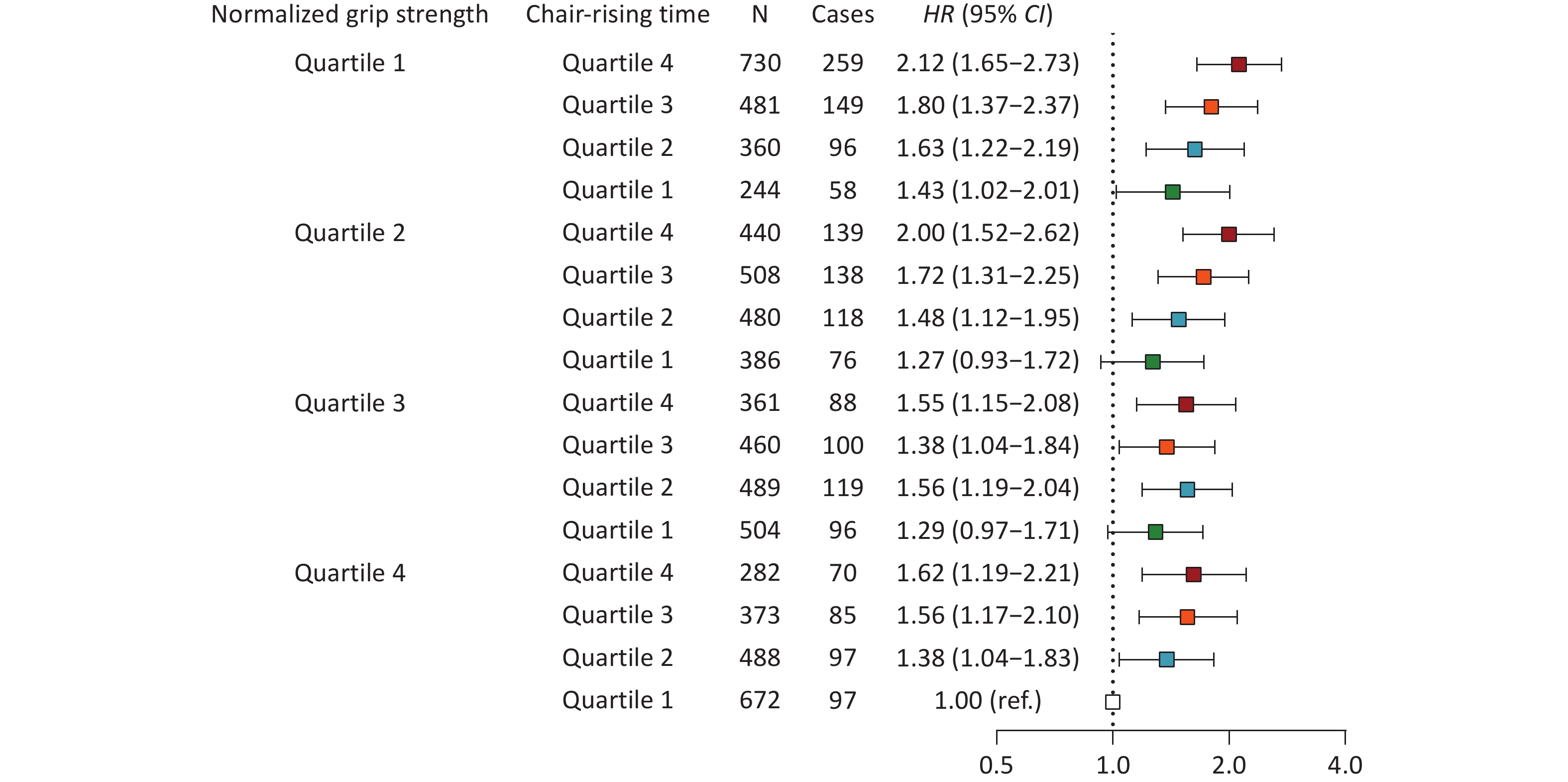
Objective We aimed to investigate the independent and combined associations of grip strength and chair-rising time with cardiovascular disease (CVD) risk among middle-aged and older adults across different glycemic status groups.Methods This study included 7,258 CVD-free middle-aged and older adults from the China Health and Retirement Longitudinal Study (CHARLS). Muscle strength was assessed based on grip strength and chair-rising time. Incident CVD was defined as a physician-diagnosed heart disease and/or stroke. Cox proportional hazard models and restricted cubic spline analyses were used to quantify the association between muscle strength and CVD.Results During a mean follow-up of 7.8 years, 1,785 participants (24.6%) developed incident CVD. Both lower normalized grip strength and longer chair-rising time were independently associated with increased CVD risk in a dose-dependent manner (P for trend < 0.001), with adjusted hazard ratios (HRs) of 1.37 (95% CI: 1.17–1.61) for the lowest vs. highest grip strength quartile and 1.53 (95% CI: 1.32–1.77) for the longest vs. shortest chair-rising time quartile. The combination of weakest grip and slowest chair-rising time conferred the highest risk (HR = 2.12; 95% CI: 1.65–2.73). Lower grip strength and prolonged chair-rising time were associated with elevated CVD risk across all glycemic status groups. The association with grip strength reached statistical significance in the normal glucose regulation and prediabetes groups, with a similar point estimate observed in the diabetes group (P for interaction = 0.622).Conclusion This study revealed a dose-dependent association between muscle strength and the incidence of CVD. The associations between lower grip strength and prolonged chair-rising time with higher CVD risk were directionally consistent across the glycemic status groups, although not all strata reached statistical significance.
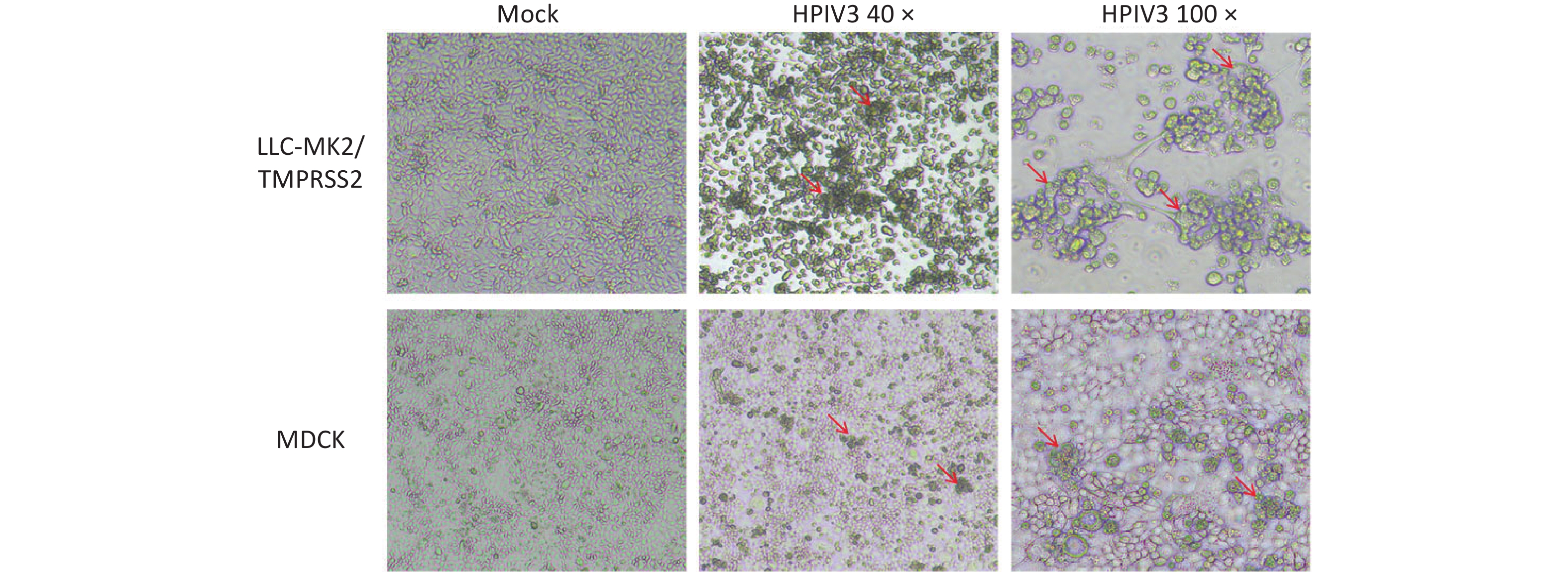
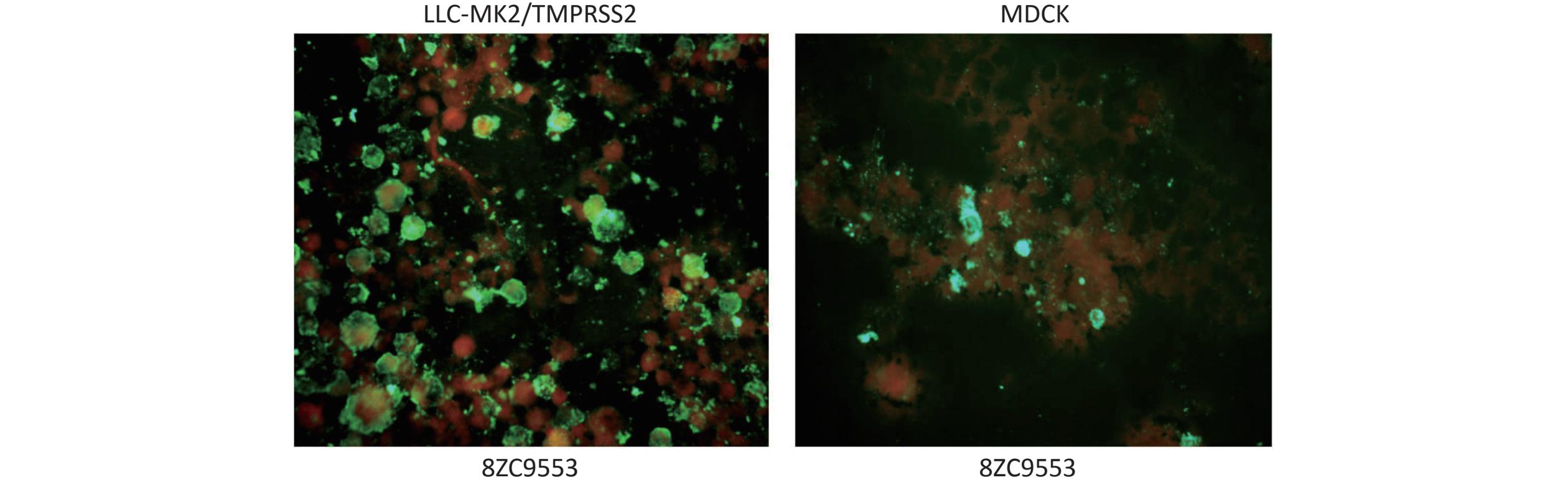
Objective LLC-MK2/TMPRSS2 cells constitutively express TMPRSS2, eliminating the requirement for additional trypsin during HPIV3 culture. The efficiency of LLC-MK2/TMPRSS2 for isolating HPIV3 from respiratory specimens was evaluated in comparison with Madin-Darby Canine Kidney (MDCK).Methods HPIV3-positive respiratory specimens from children with acute respiratory infections (February-June 2025) were inoculated into LLC-MK2/TMPRSS2 and MDCK. The cytopathic effect (CPE) was monitored microscopically, and the proportion of positive cells was evaluated using direct immunofluorescence assay (DFA). Viral infection dynamics were assessed using the cycle threshold (Ct) values obtained by qPCR.Results Among 50 specimens, 35 strains (35/50, 70%) were successfully isolated using LLC-MK2/TMPRSS2, while 14 strains were isolated using MDCK (14/50, 28%). More pronounced CPE and a higher number of virus-infected positive cells were shown in LLC-MK2/TMPRSS2 compared to that in MDCK (P < 0.001 and P = 0.001, respectively). Among specimens with an initial Ct < 27, the isolation rate of LLC-MK2/TMPRSS2 was higher and the Ct values were lower (< 27) (82.6%, 19/23). Among specimens with an initial Ct of 23 ≤ Ct < 27, the number of specimens with a supernatant Ct ≥ 27 (63.6%, 7/11) was significantly less than that in MDCK (P = 0.003).Conclusion LLC-MK2/TMPRSS2 exhibits superior adaptability and replication efficiency in the isolation of HPIV3 from respiratory specimens.



















 Quick Links