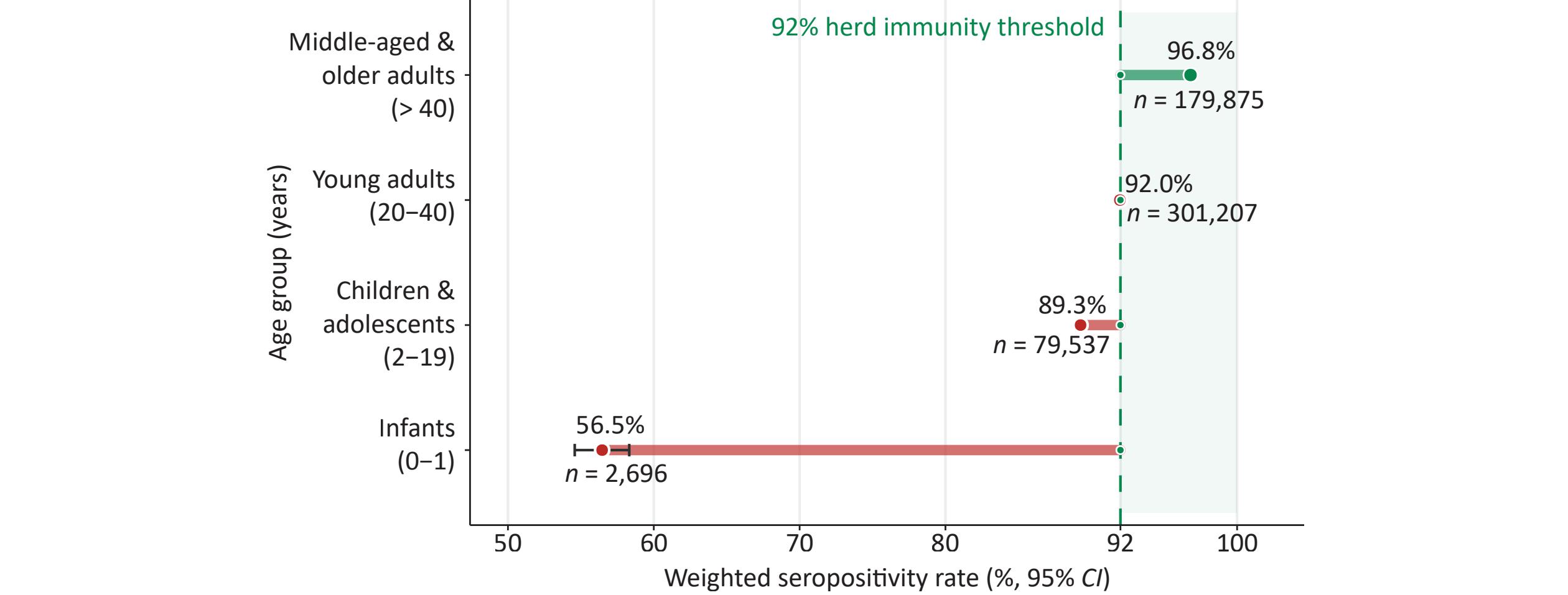
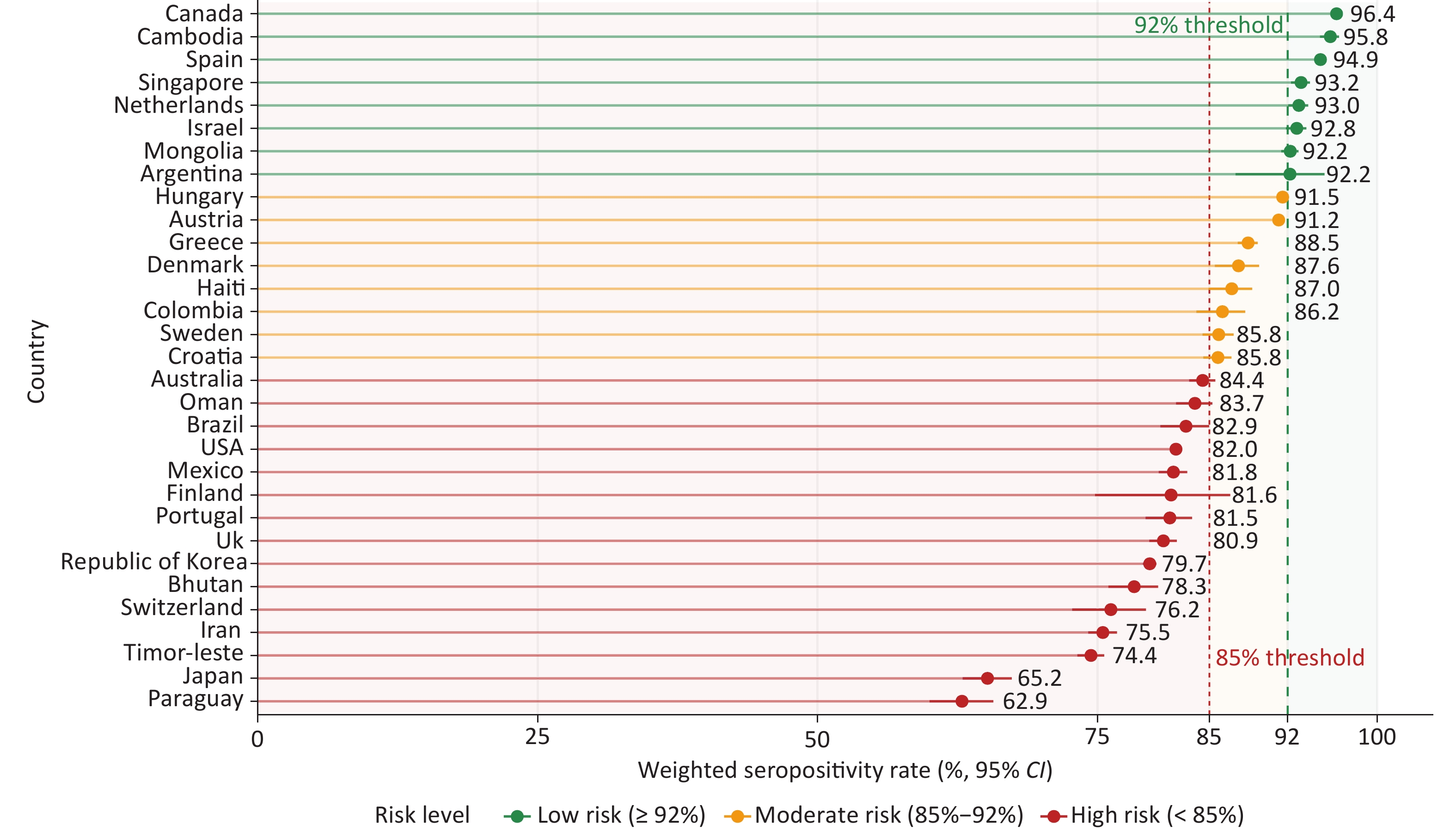
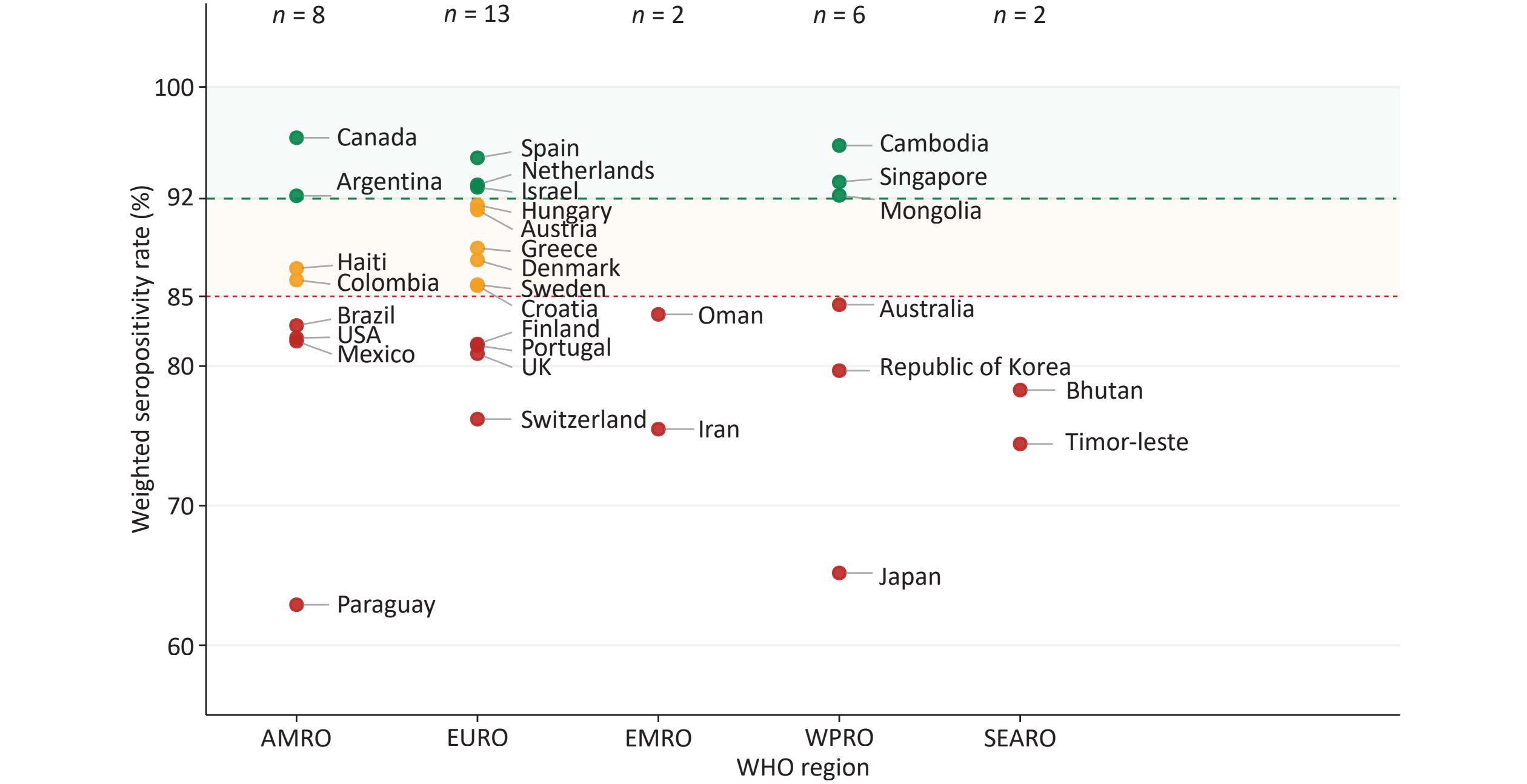
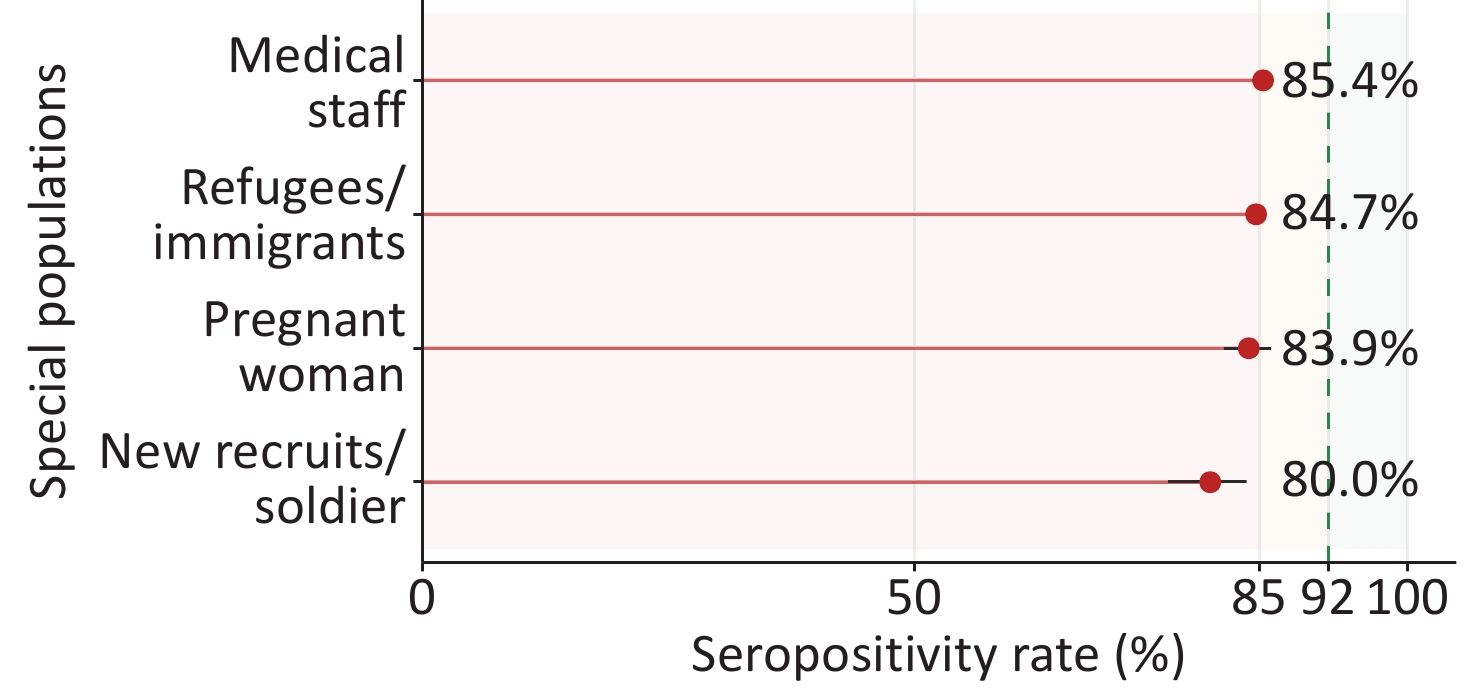
Objective Measles elimination is threatened by the virus’s high infectivity (R0 = 12–18), waning immunity, and persistent immunity gaps. No global study has compared measles seroprevalence before and after elimination. We assessed whether countries that had eliminated measles achieved and maintained the herd immunity threshold and identified key vulnerabilities.Methods For countries with World Health Organization (WHO)-confirmed measles elimination, we systematically searched PubMed, Web of Science, and Google Scholar for seroprevalence data covering the three years before and the three years after elimination verification. Sample-size-weighted medians and interquartile ranges were calculated to describe seroprevalence, with stratified analyses by age group and country. The overall seroprevalence in the three years before and after elimination verification was also compared.Results Among 31 countries with measles elimination status (351 datasets comprising 562,772 participants), the overall median seroprevalence was 92.8%. Seroprevalence increased significantly with age (P < 0.001), from 56.5% among infants (aged 0–1 years) to 96.8% among older adults (aged > 40 years). Twenty-six percent of the countries had a seroprevalence of ≥ 92%, indicating a low risk of measles transmission, whereas 45% had a seroprevalence of < 85%, indicating a substantial transmission risk. The median seroprevalence decreased significantly from 94.9% during the three years before elimination verification to 83.5% during the three years after verification (P < 0.001).Conclusion Achieving measles elimination does not guarantee that population-level protection will be sustained. Despite high overall seroprevalence, important immunity gaps persist among infants and young children, and some countries do not maintain the required herd immunity threshold following elimination. Targeted interventions are needed to close immunity gaps and strengthen national population immunity to prevent measles resurgence.
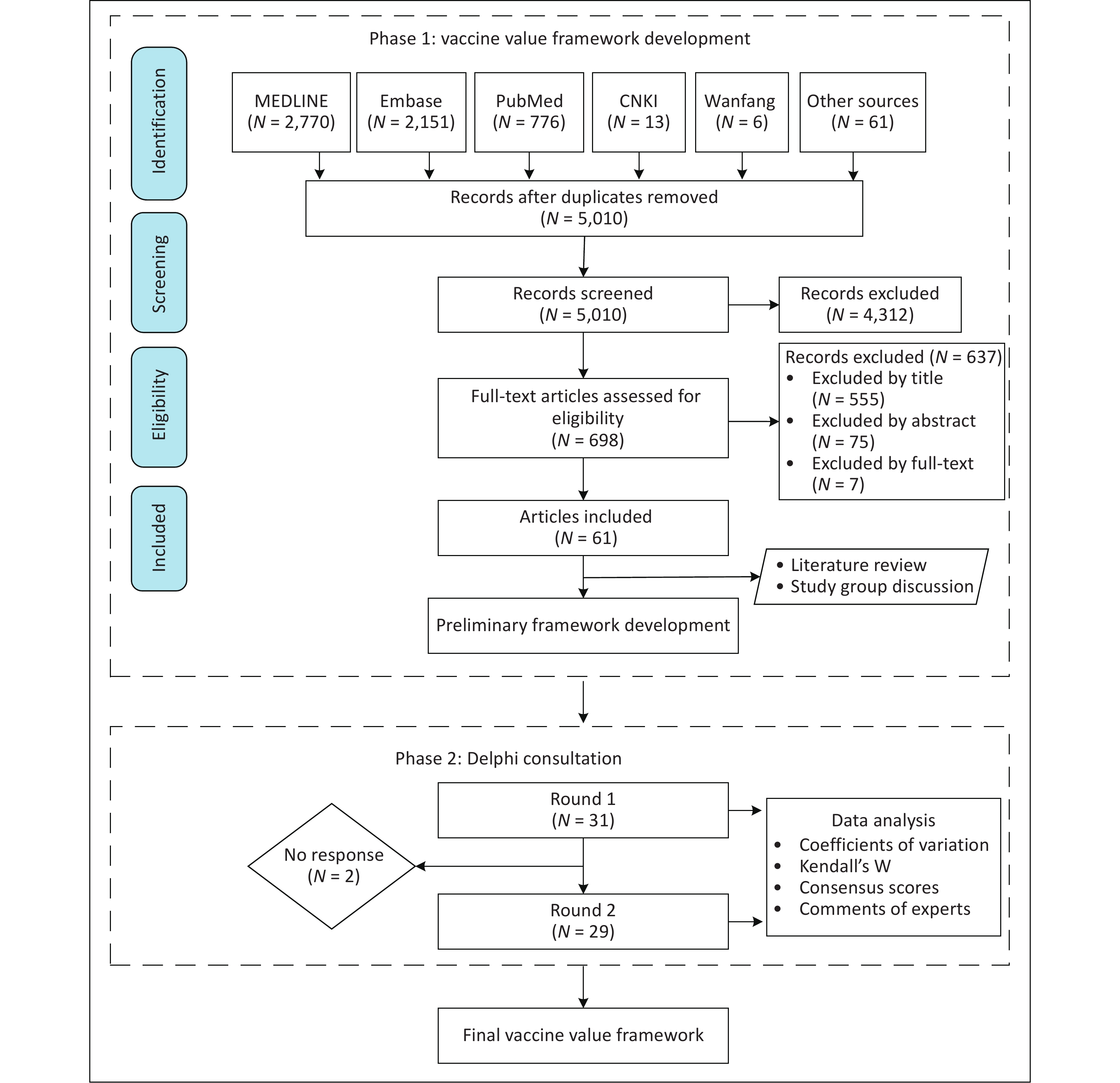
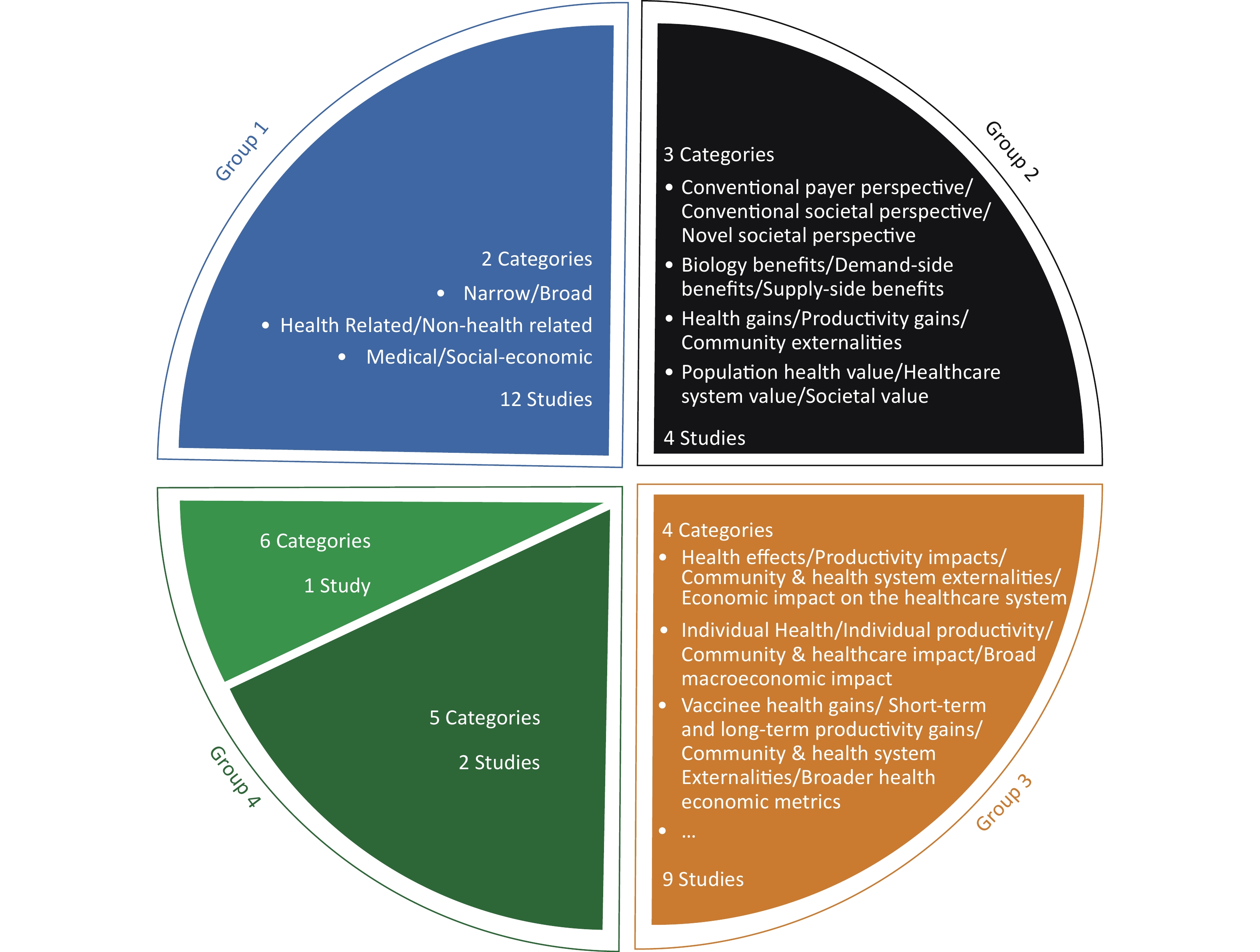
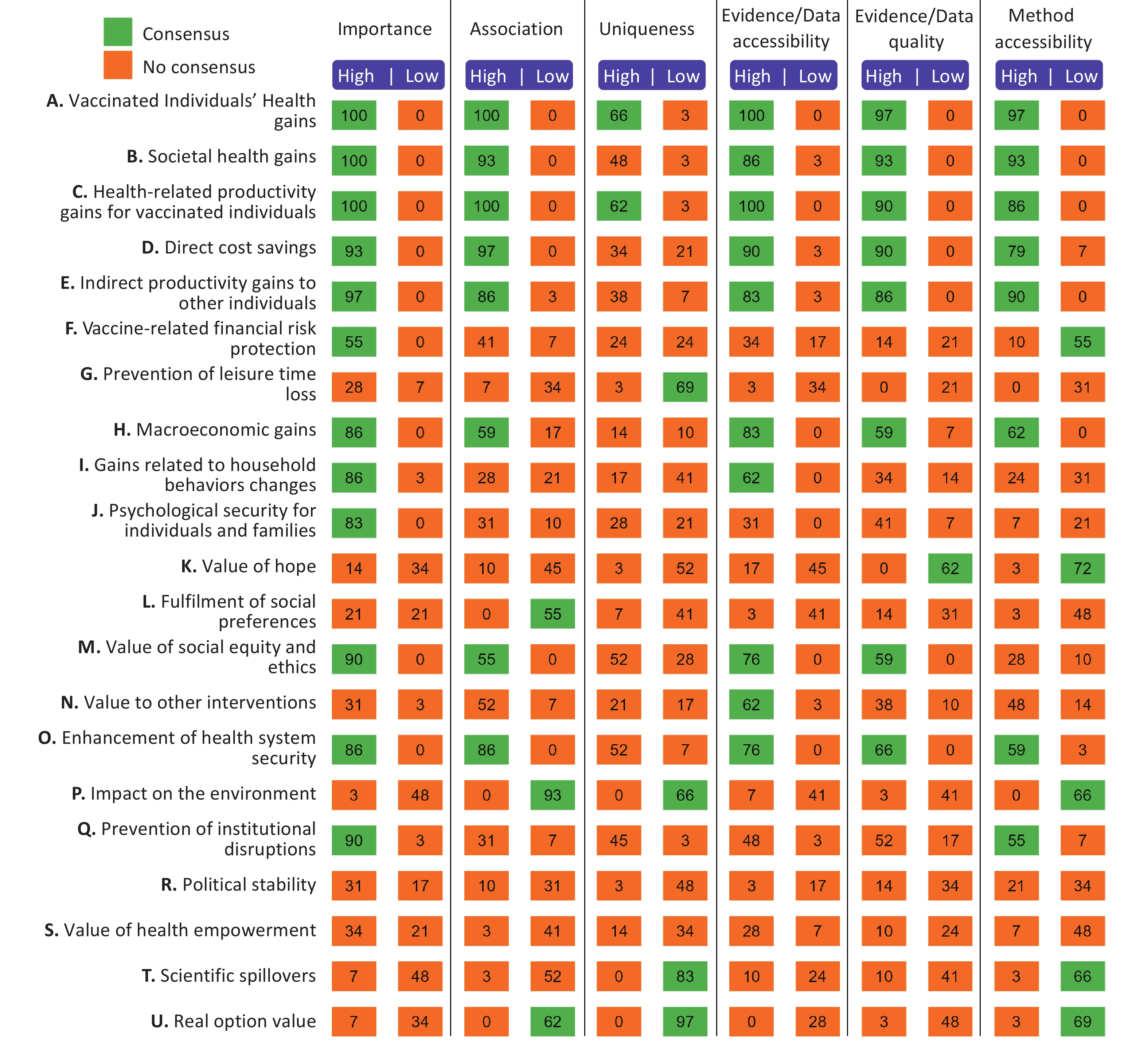
Objective Traditional Health Technology Assessments (HTAs) commonly overlook the broader societal and economic externalities of vaccines, leading to systematic undervaluation and suboptimal resource allocation. This study aimed to develop and validate a comprehensive vaccine value framework and prioritize individual elements for future HTA integration.Methods A two-phase mixed-methods approach was employed for framework development. Phase 1 involved a systematic literature review of major databases to construct an initial conceptual framework. Phase 2 utilized a two-round modified Delphi study involving a multidisciplinary expert panel to validate and refine the framework. Six evaluative criteria, categorized under the dimensions of "Relevance" and "Feasibility", were weighted and applied to score each value element. Finally, a comparative analysis of the raw and weighted scores was conducted to identify five priority value elements for future integration into HTAs.Results The final validated framework comprised 5 value categories, 21 value elements, and 75 actionable value items. Although traditional metrics achieved the highest consensus, the following five "broader" elements emerged as top priorities for future inclusion: (1) Enhancement of Health System Security, (2) Macroeconomic Gains, (3) Social Equity and Ethics, (4) Prevention of Institutional Disruptions, and (5) Value to Other Interventions.Conclusion This study established a standardized multitiered roadmap to capture the multifaceted value of vaccines. By introducing actionable Tier-3 indicators, the framework operationalizes the assessment of broader vaccine benefits and offers a practical tool to support equitable and comprehensive evidence-based policymaking. Furthermore, the identification of the five priority value elements provides a feasible pathway for integrating extended vaccine externalities into future HTAs. Ultimately, this standardized framework will facilitate holistic decision-making and support the optimal allocation of resources within national immunization programs.
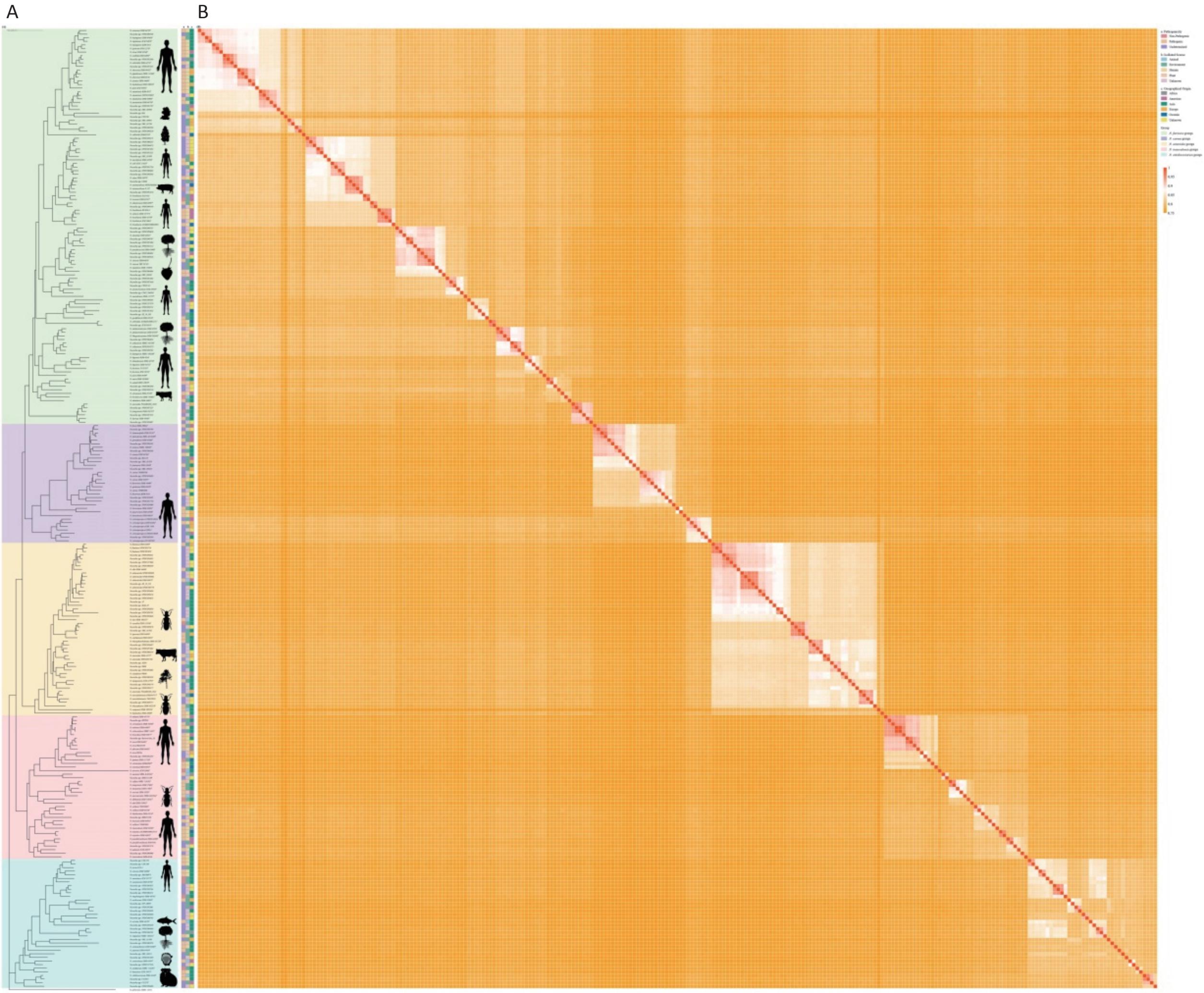
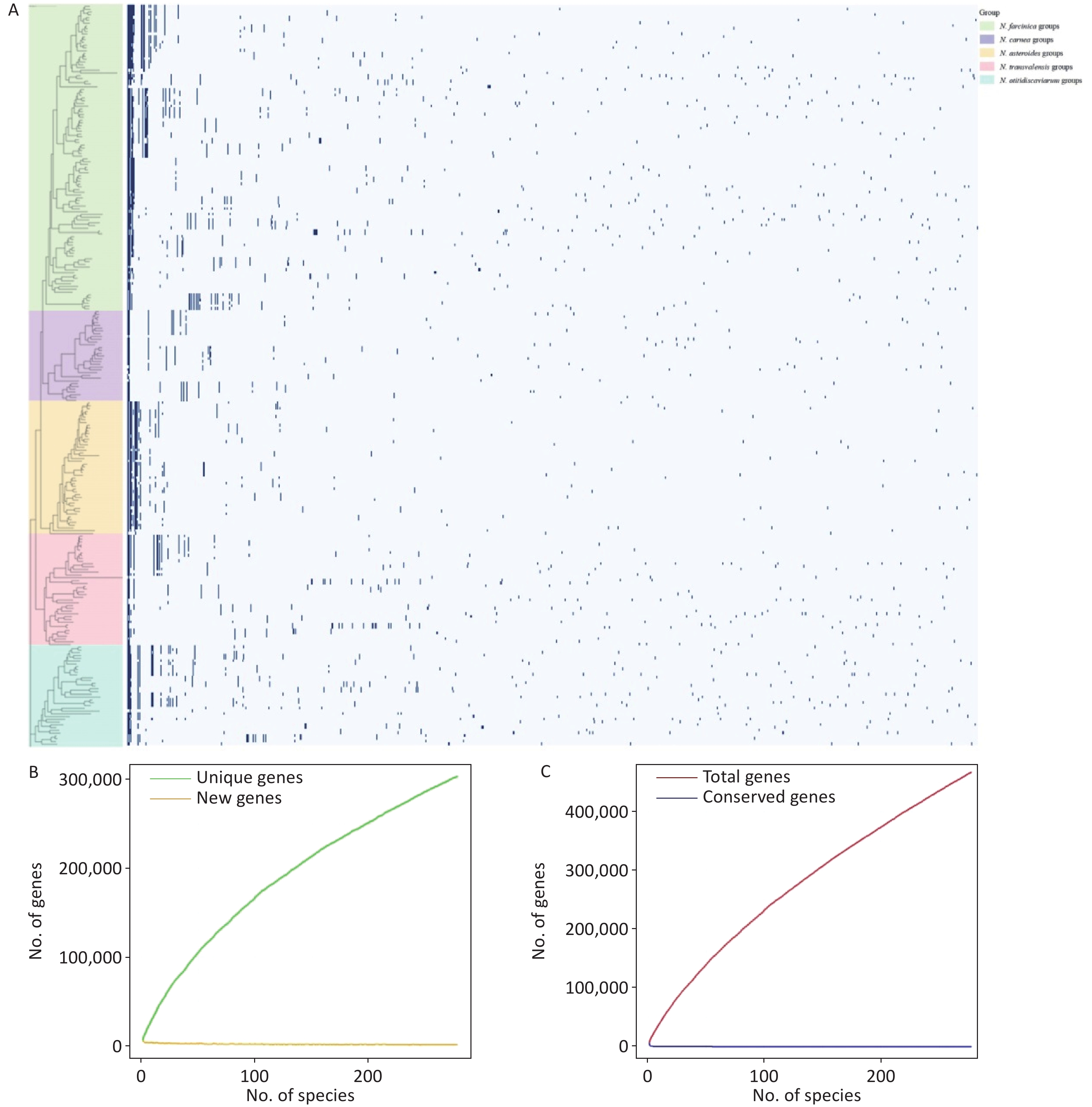
Objective This study aimed to comprehensively characterize the genomic diversity, evolutionary dynamics, pathogenic potential, antimicrobial resistance, and secondary metabolite capacity of the Nocardia genus using whole-genome analyses.Methods We analyzed 751 publicly available Nocardia genomes using genome-based species delineation, phylogenomics, pangenome analysis, and comparative functional profiling to assess taxonomy, virulence, antibiotic resistance genes (ARGs), and biosynthetic gene clusters (BGCs).Results Phylogenomic analyses resolved five major clades: N. farcinica, N. carnea, N. asteroides, N. transvalensis, and N. otitidiscaviarum groups. The pangenome is open, comprising 467,566 gene clusters and reflecting extensive genomic diversity. Virulence factors and ARGs exhibit clade-specific patterns: the N. farcinica group harbors the most complete virulence repertoire and diverse resistance determinants, whereas the N. carnea and N. asteroides groups carry fewer genes. Analysis of 10,196 BGCs across 46 classes revealed conserved clusters of non-ribosomal peptide synthetases, terpenes, and type I polyketide synthases, with higher biosynthetic potential in the N. farcinica, N. transvalensis, and N. otitidiscaviarum groups. Several genomes encode BGCs associated with antibacterial or anticancer compounds.Conclusion This comprehensive genome analysis of Nocardia, representing the most complete sampling to date, clarifies phylogeny, reclassifies misassigned strains, identifies potential novel species, and reveals clade-specific patterns of virulence, resistance, and secondary metabolism.
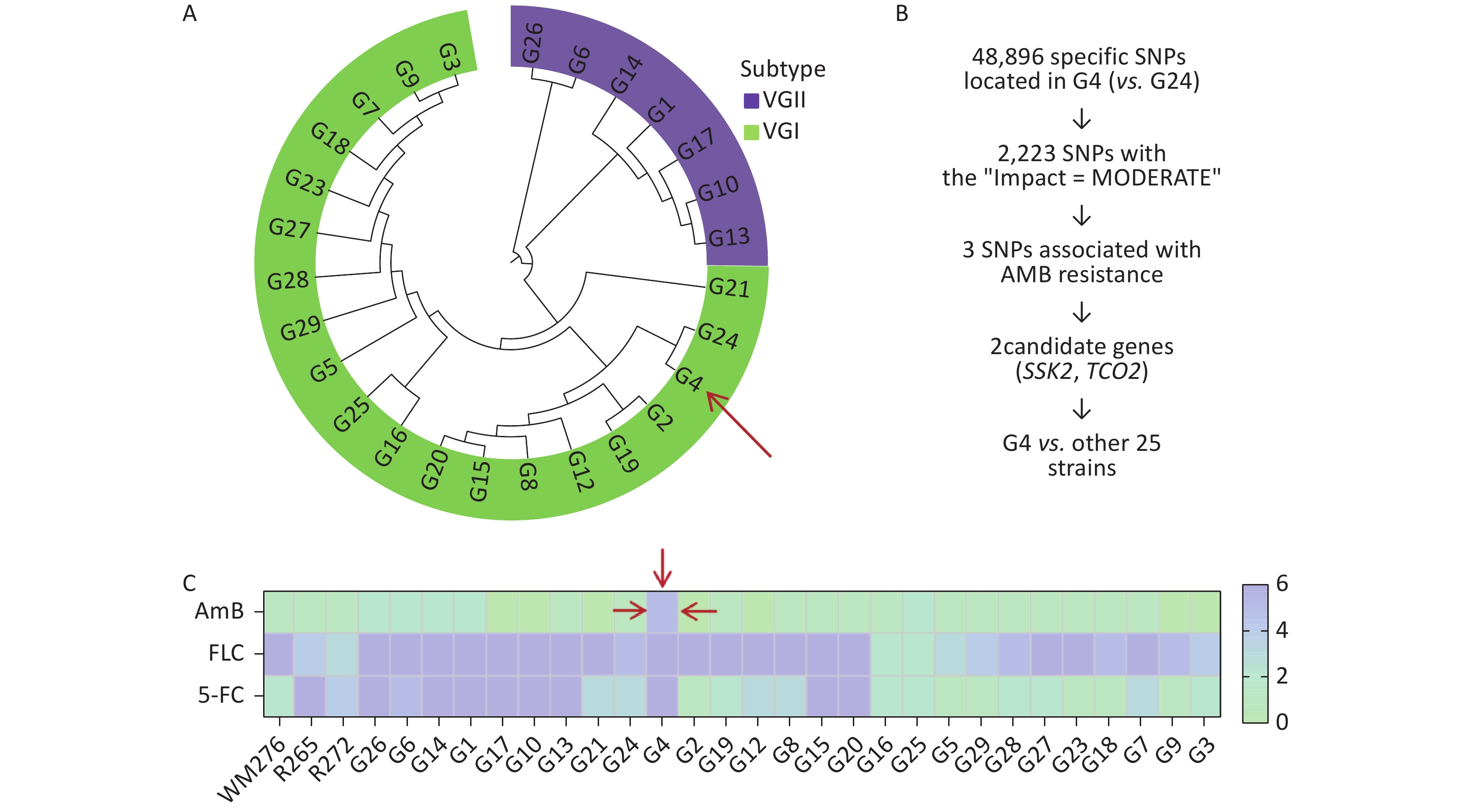
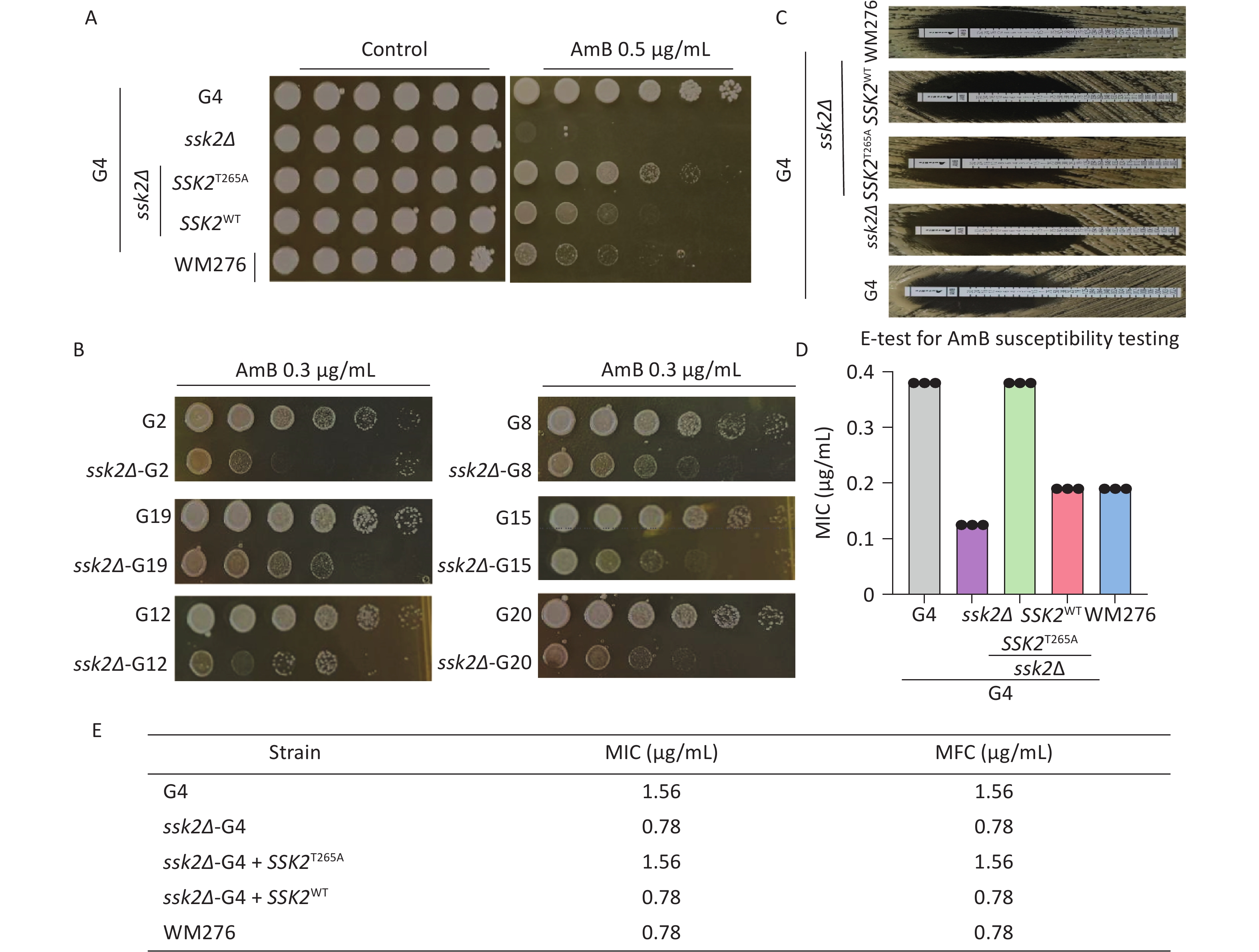
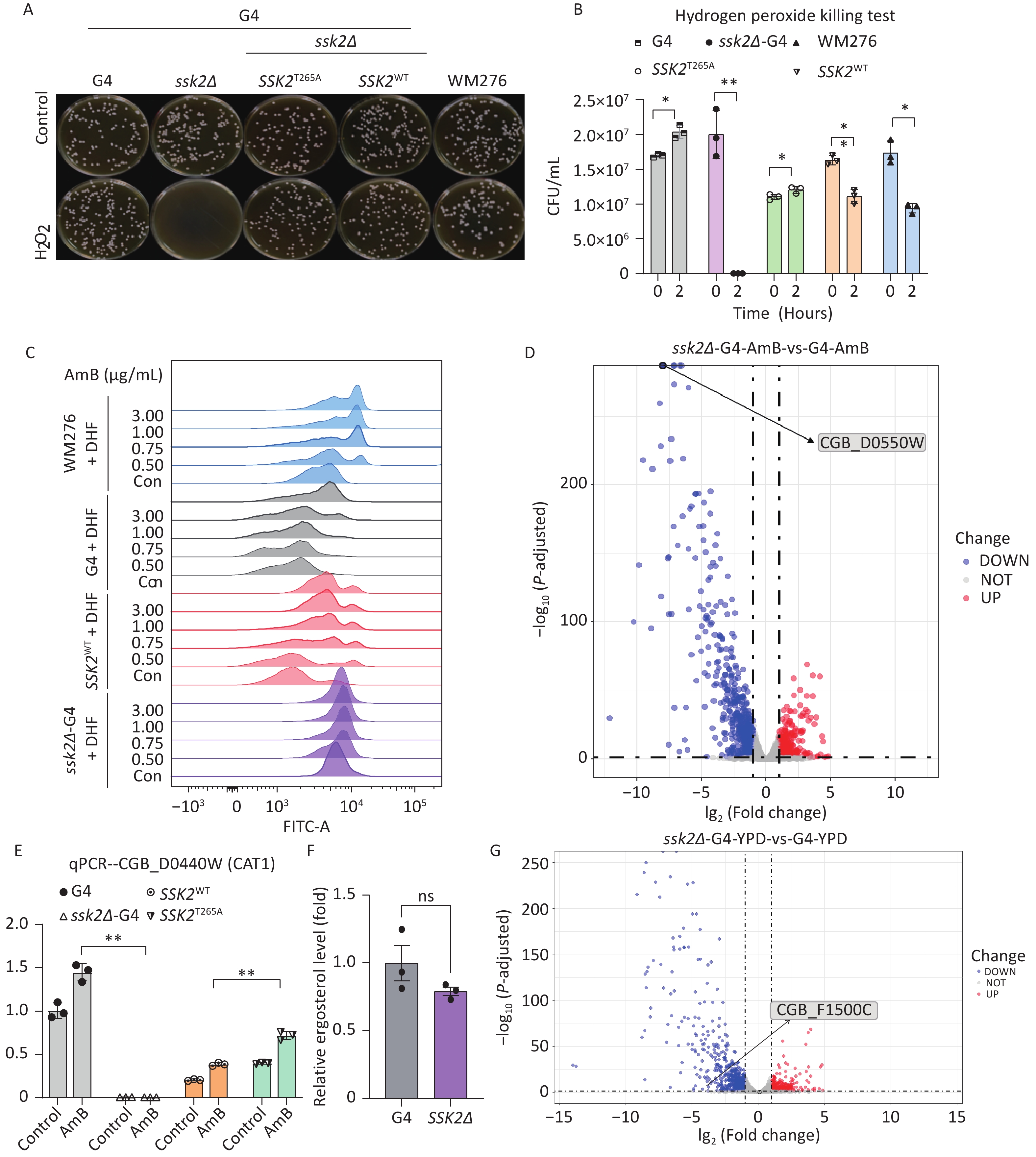
ObjectiveCryptococcus gattii (C. gattii) is a pathogenic respiratory fungus that rapidly disseminates through the central nervous system. The current clinical treatments for C. gattii infections are limited by prolonged therapeutic courses, high drug dosages, and insufficient antifungal options. This study aimed to explore the molecular mechanisms underlying amphotericin B (AmB) resistance in C. gattii and provide novel insights for developing targeted antifungal strategies.Methods A total of 27 clinical C. gattii isolates were subjected to antifungal susceptibility testing, multilocus sequence typing (MLST) for phylogenetic analysis and resistance-related mutation screening. The CRISPR/Cas9 system was used to construct an SSK2-knockout mutant (ssk2Δ-G4). Capsule and melanin assays, murine pulmonary infection models, and transcriptomic analyses were performed to verify gene function, evaluate therapeutic efficacy, and explore the underlying regulatory mechanisms.Results G4 isolates exhibited prominent AmB resistance with a novel SSK2 c.793A>G missense mutation (p.Thr265Ala; hereafter SSK2T265A). SSK2 knockout significantly enhanced AmB susceptibility, whereas SSK2T265A complementation partially restored the resistant phenotype. AmB treatment markedly reduced pulmonary fungal burden and inflammatory infiltration (P < 0.05) and improved survival (P < 0.001) in ssk2Δ-G4-infected mice. Mechanistically, this mutation upregulated CAT1 expression and enhanced the reactive oxygen species–scavenging capacity and oxidative stress tolerance.ConclusionSSK2 c.793A>G is closely associated with AmB resistance and functionally contributes to the resistance phenotype. SSK2 could serve as a potential therapeutic target for developing AmB synergistic sensitizers and as a research direction for future synergistic treatments of clinically resistant C. gattii strains.
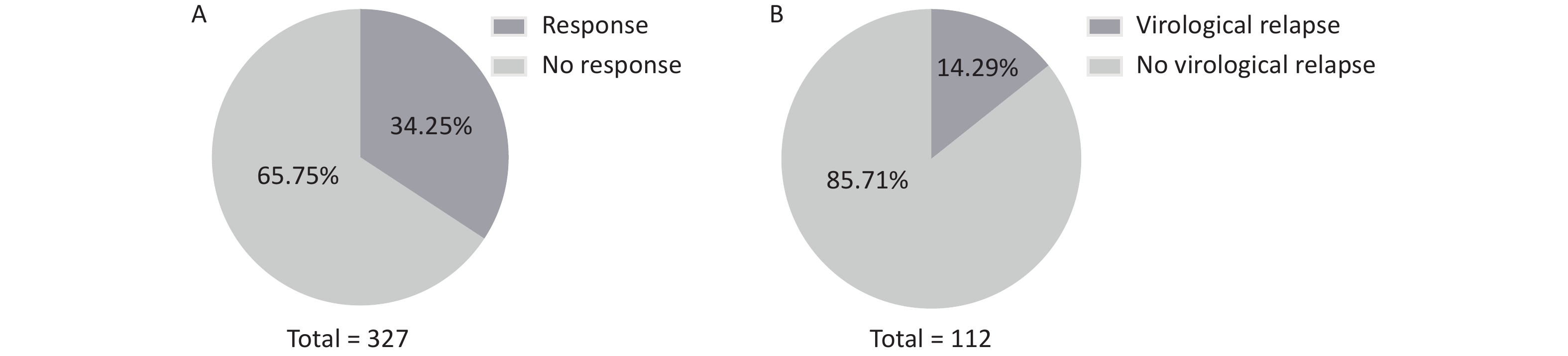
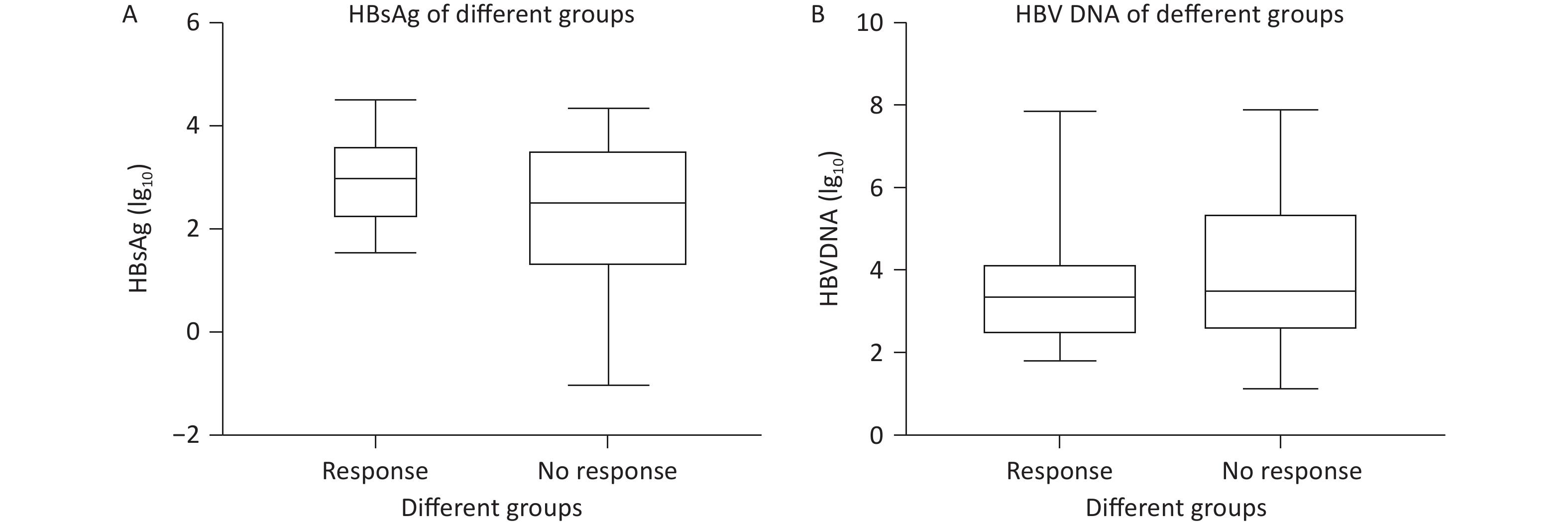
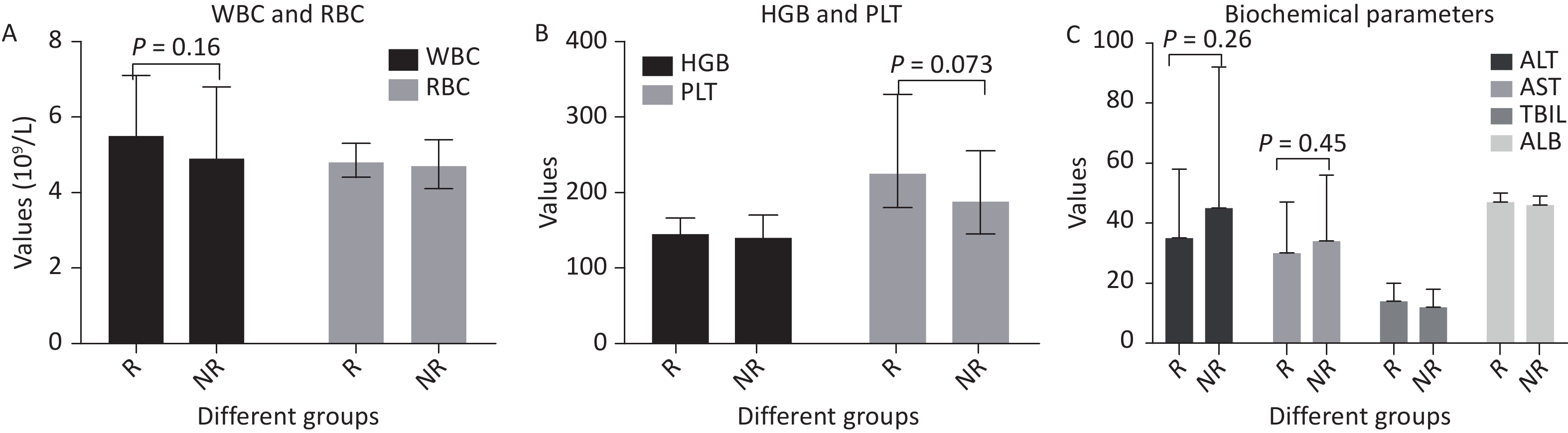
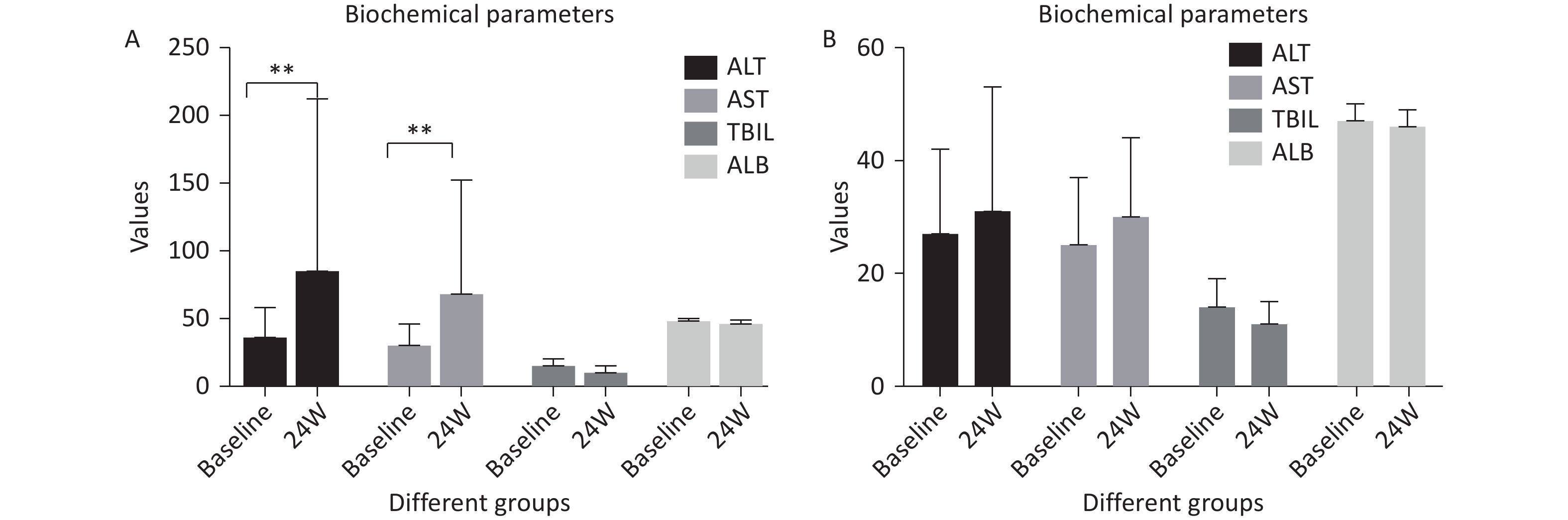
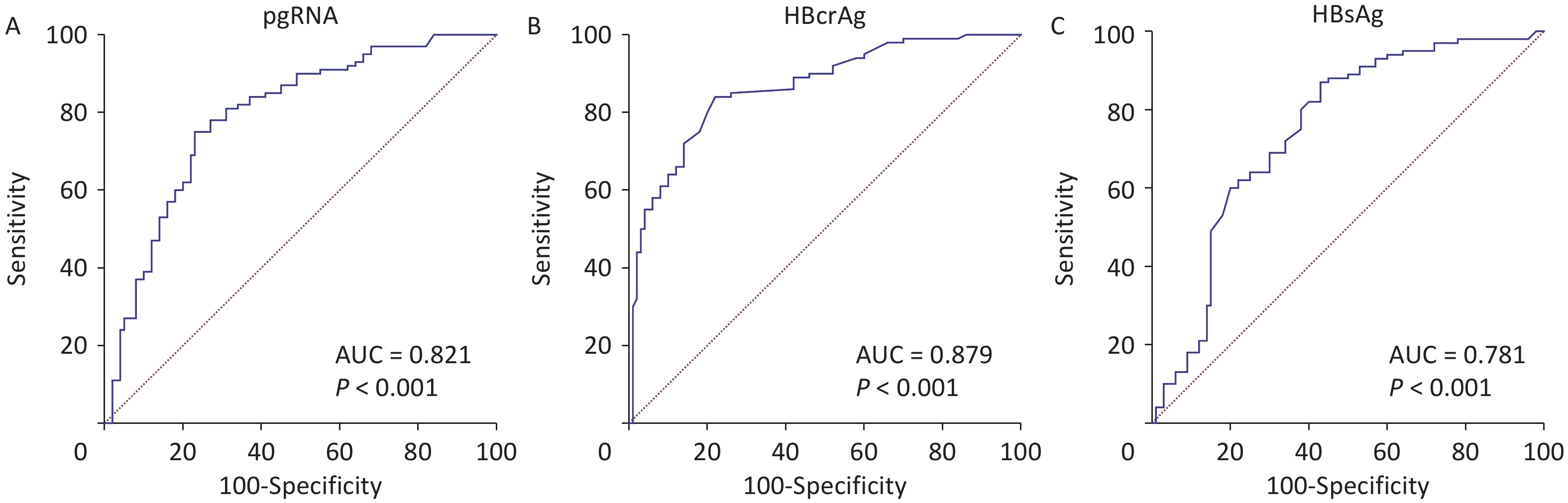
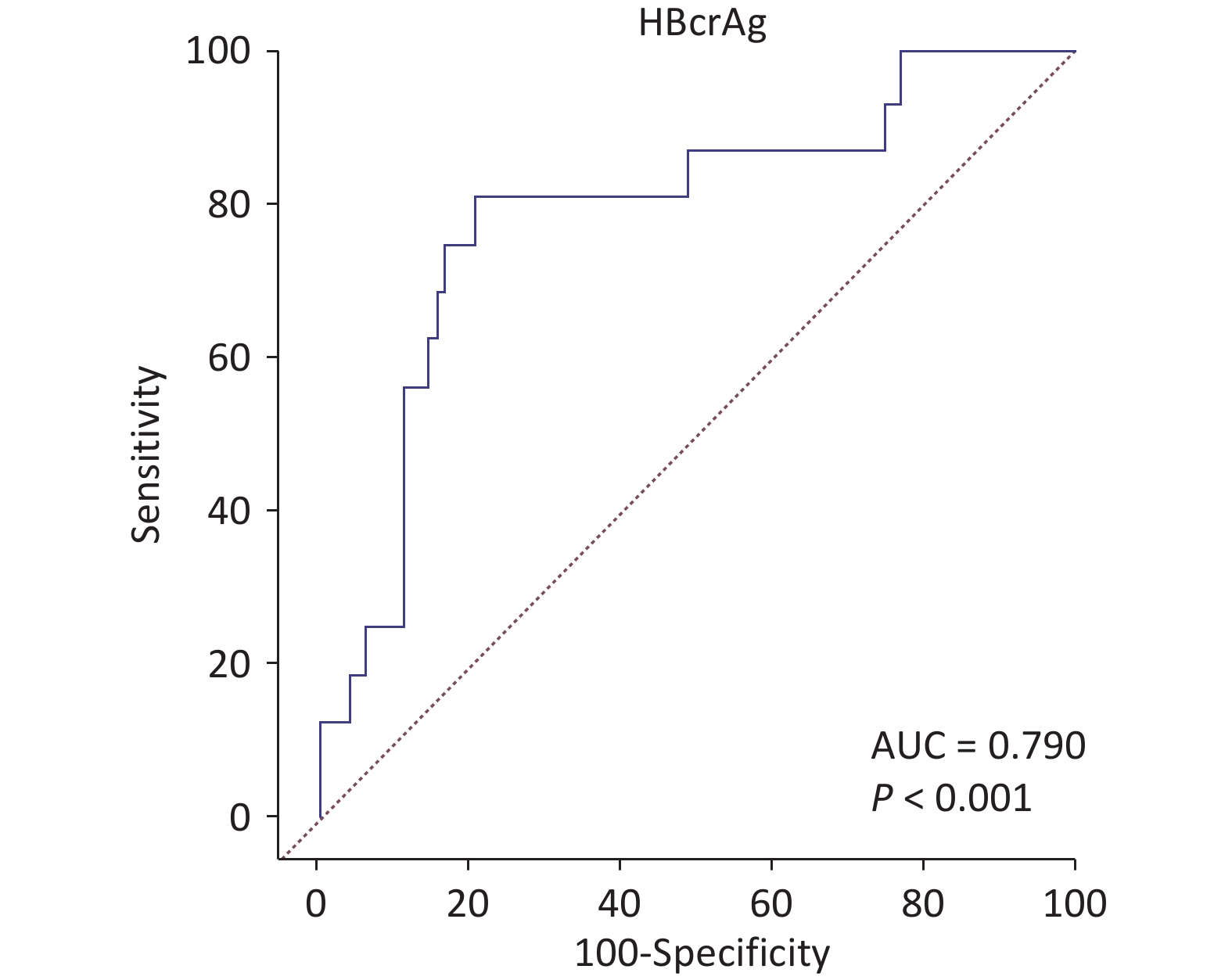
Objective Serum markers predicting virologic relapse after pegylated interferon-alpha (Peg-IFN-α) discontinuation in patients with chronic hepatitis B (CHB) are lacking. This study aimed to evaluate serum pregenomic RNA (pgRNA), hepatitis B core-related antigen (HBcrAg), and hepatitis B surface antigen (HBsAg) as potential predictors of Peg-IFN-α treatment outcomes and post-treatment virologic relapse in treatment-naïve patients with CHB.Methods A total of 371 treatment-naïve patients with CHB were initially recruited for this study, and 327 patients who completed the entire follow-up period were included in the data analysis. Serum pgRNA and HBcrAg levels were measured by polymerase chain reaction (PCR)-fluorescence probing and enzyme-linked immunosorbent assay (ELISA), respectively.Results Among the 327 followed patients, 112 (34.25%) achieved a virologic response to Peg-IFN-α; 16 (14.29%) experienced virologic relapse over a median follow-up of 12 months. Baseline pgRNA (odds ratio [OR], 0.571), HBcrAg (OR, 0.539), and HBsAg (OR, 0.356) levels correlated with treatment efficacy, demonstrating predictive values with AUCs of 0.821, 0.879, and 0.781, respectively. HBcrAg levels at treatment discontinuation were associated with virologic relapse and showed potential as predictive biomarkers (AUC, 0.790).Conclusion Serum pgRNA, HBcrAg, and HBsAg correlate with Peg-IFN-α response in treatment-naïve CHB. Serum HBcrAg levels at Peg-IFN-α discontinuation show potential as a predictive biomarker for post-treatment virologic relapse and are associated with relapse risk, which may help identify high-risk patients after Peg-IFN-α cessation. Notably, this finding requires further validation in larger cohorts due to the limited number of relapse events.
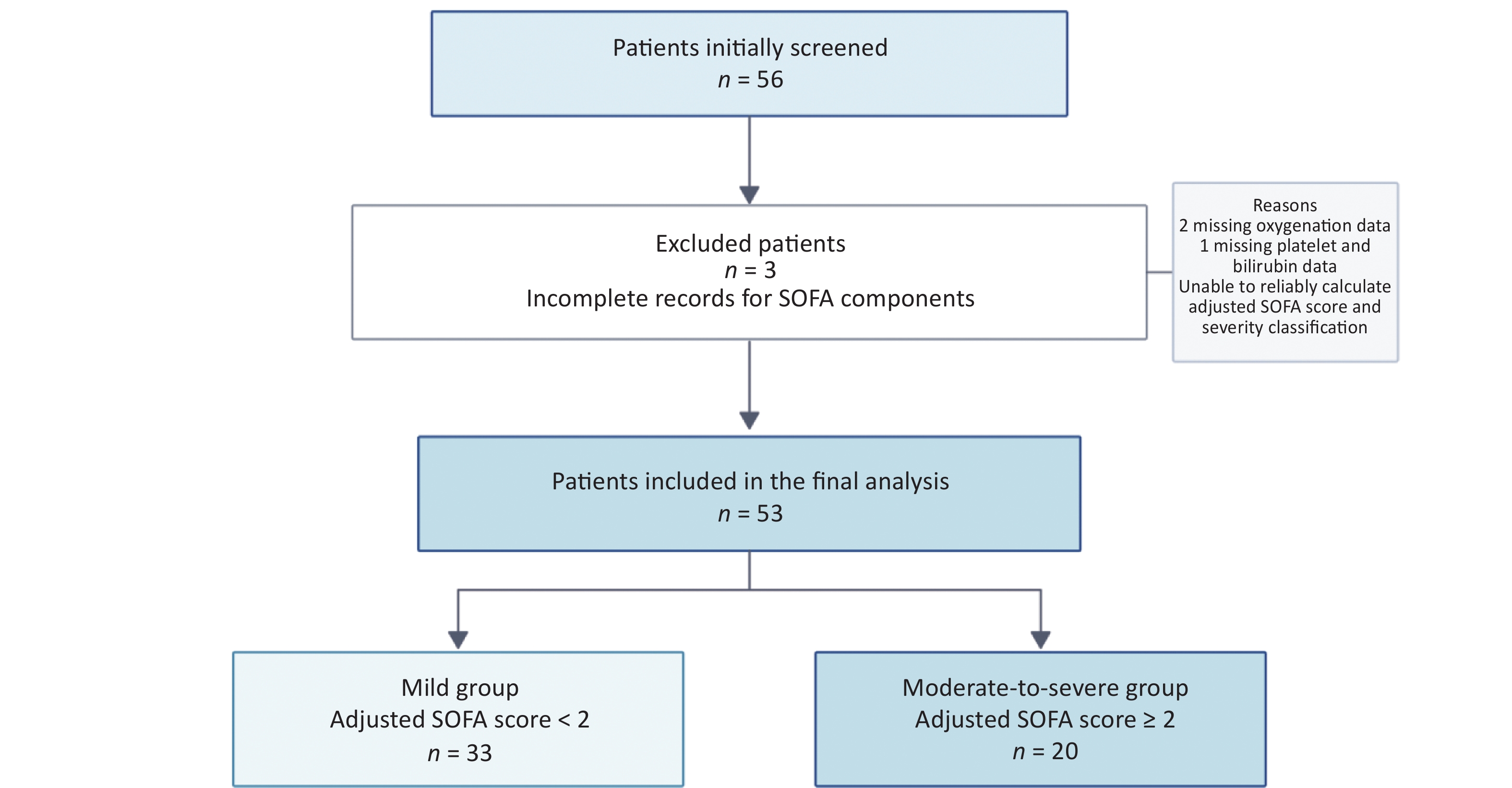
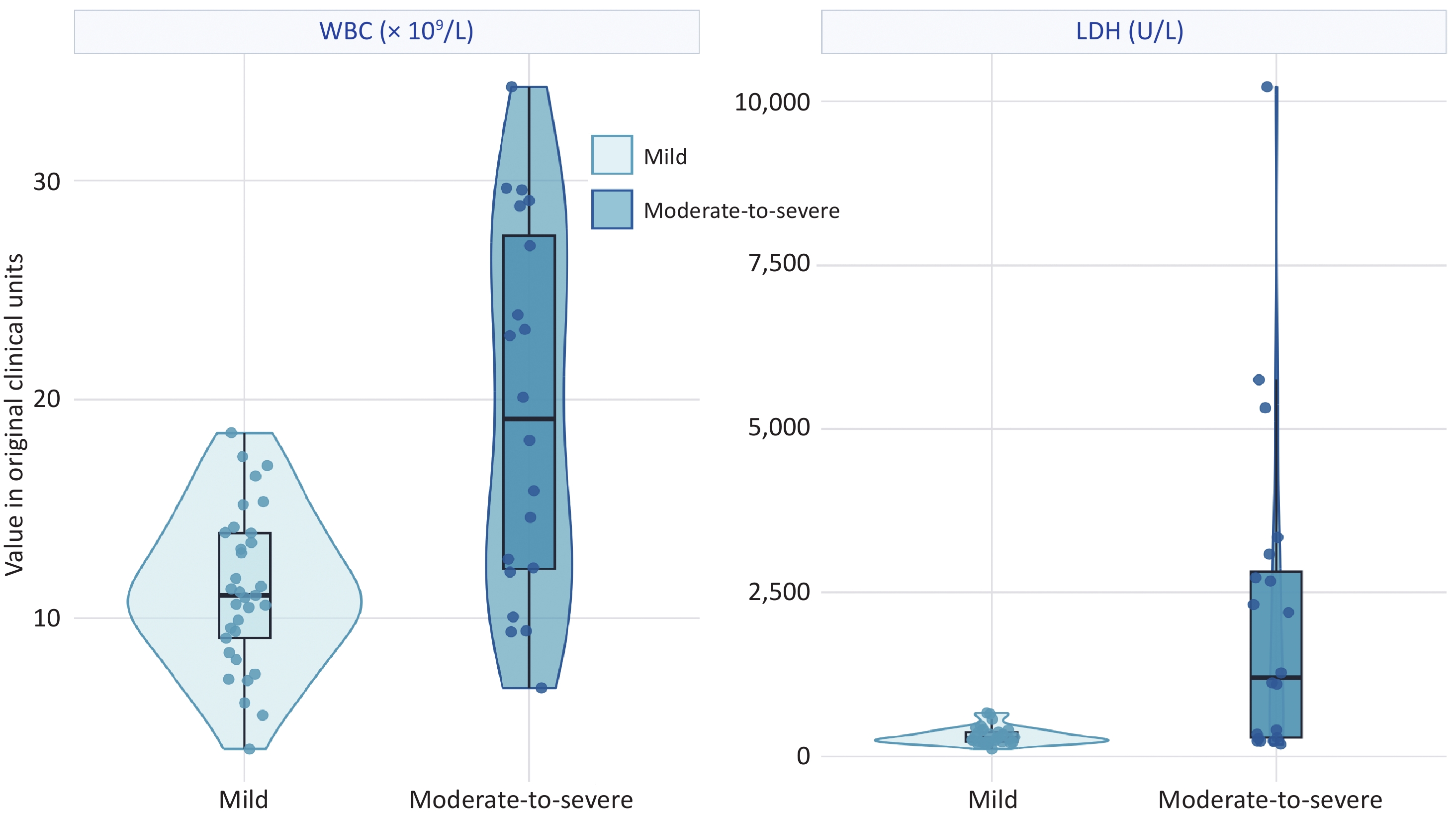
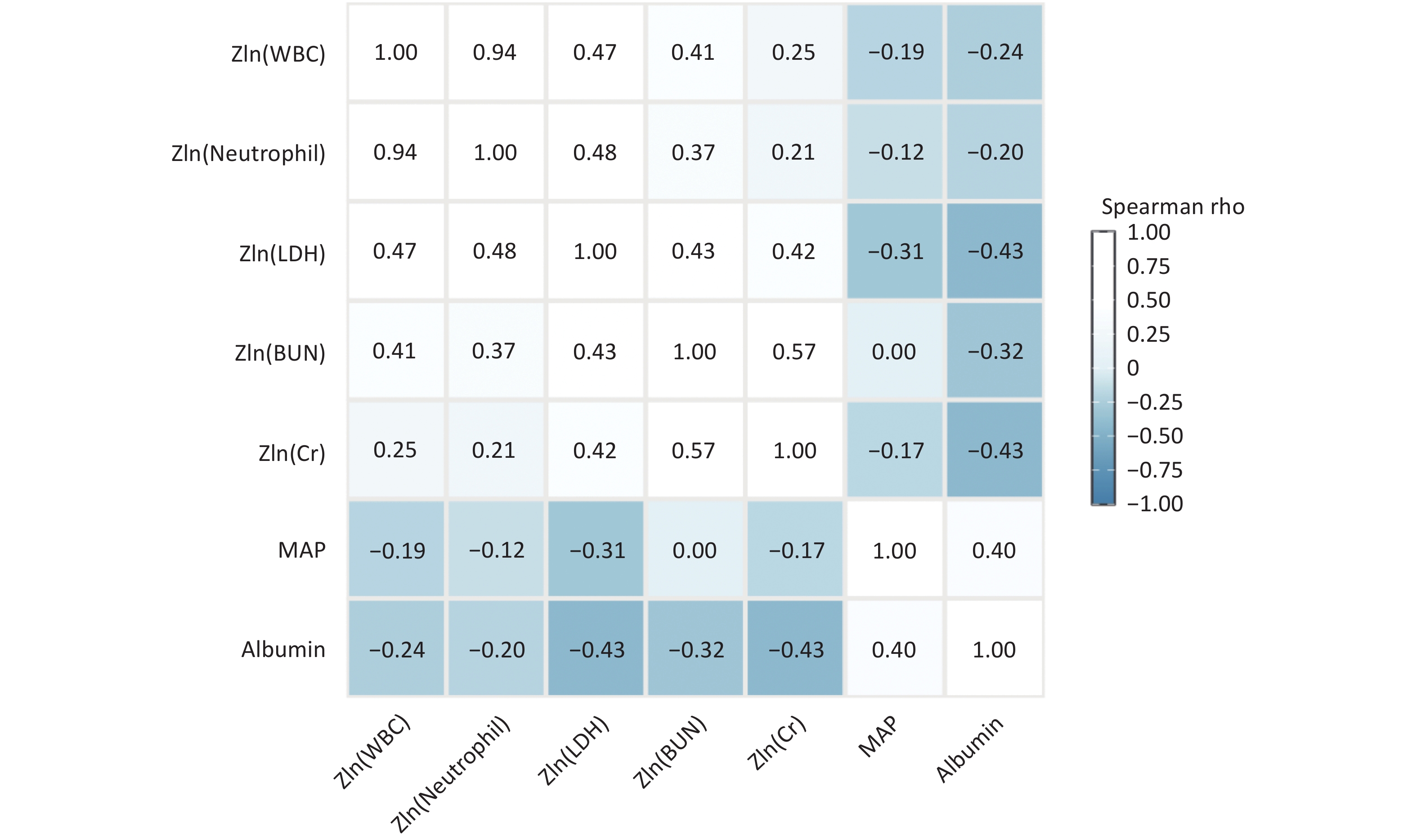
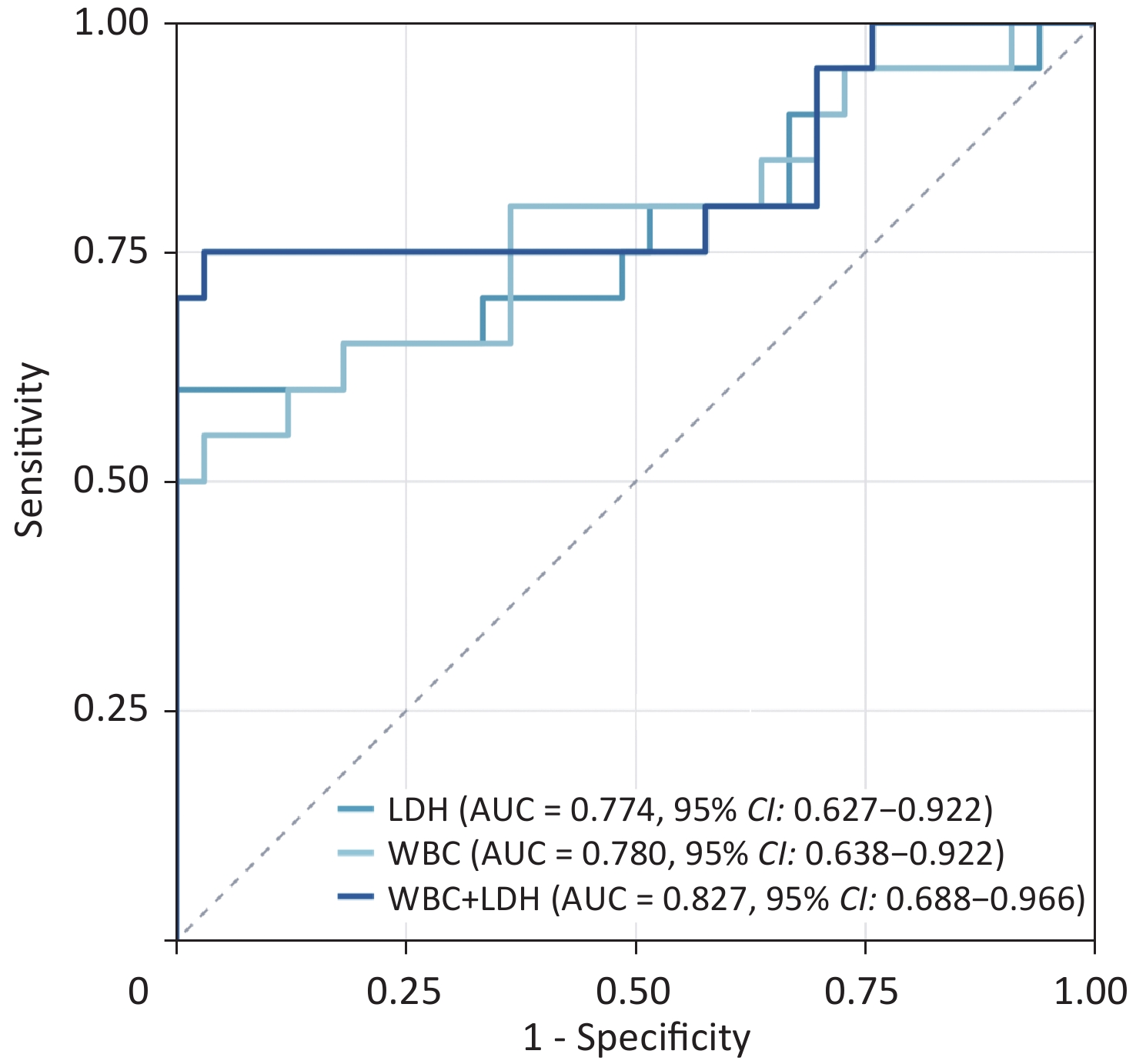
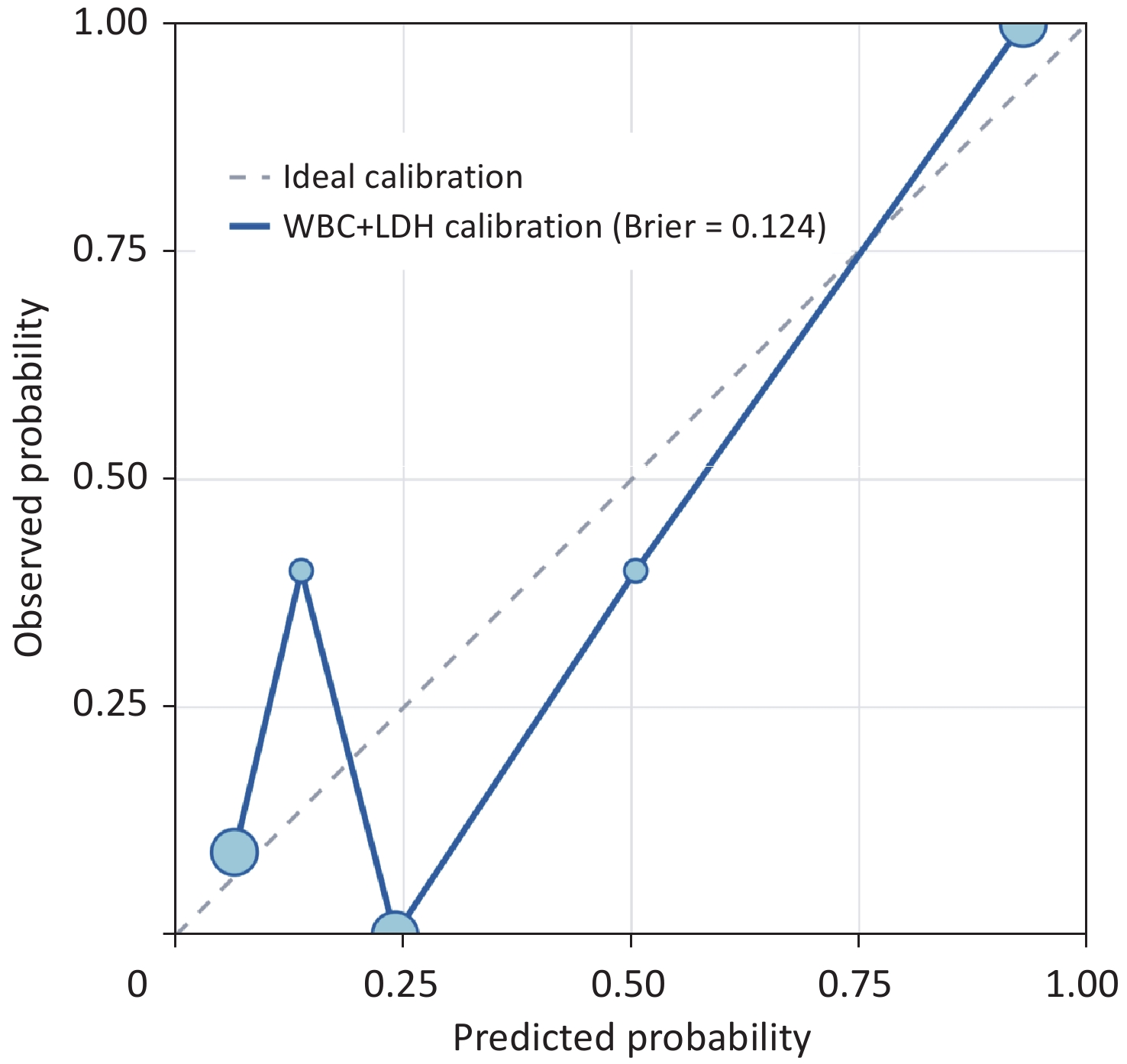
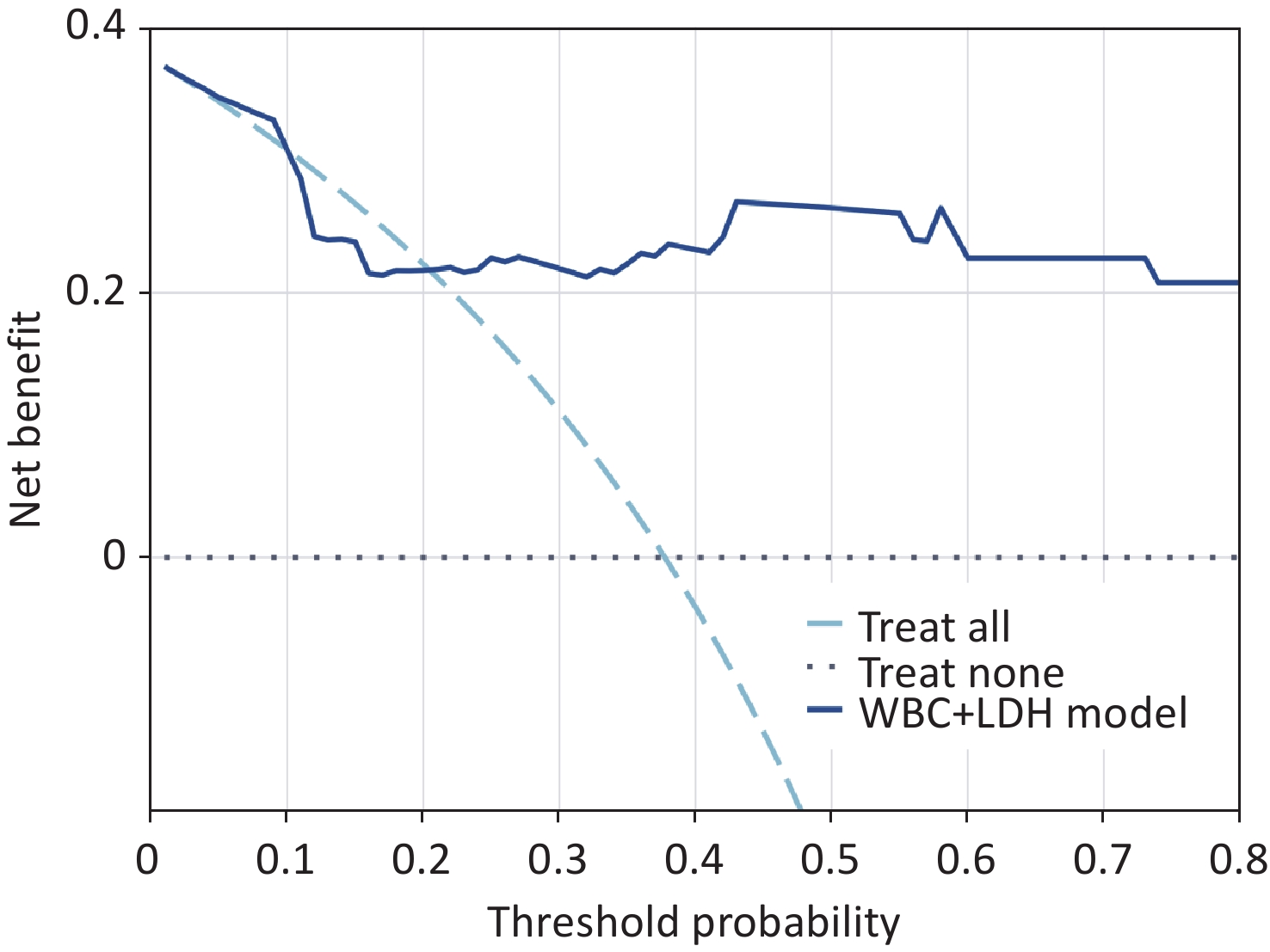
Objective To investigate the clinical value of peripheral white blood cell (WBC) count and lactate dehydrogenase (LDH) levels in assessing early disease severity in patients with bee sting injuries after admission.Methods This single-center, retrospective, exploratory cohort study consecutively enrolled adult patients with bee sting injuries who presented to the Emergency Department of the Wu’an First People’s Hospital, Hebei Province, between August 2021 and September 2025. Based on their early clinical manifestations after admission and bee sting-adjusted Sequential Organ Failure Assessment (SOFA) scores, patients were classified into a mild group (adjusted SOFA score < 2) and a moderate-to-severe group (adjusted SOFA score ≥ 2). The initial peripheral venous blood test results obtained within 24 h of presentation to the emergency department were collected. A binary logistic regression model was constructed using WBC and LDH levels after natural logarithmic transformation and z-score standardization. Receiver operating characteristic (ROC) curves were generated using model-predicted probabilities, and areas under the curve (AUCs) were compared using the DeLong test. Model performance was further evaluated using calibration curves, decision curve analysis (DCA), and bootstrap internal validation with 1,000 resamples.Results A total of 56 patients were included in this study. After excluding three patients with missing key data, 53 were included in the final analysis: 33 in the mild group and 20 in the moderate-to-severe group, of whom three died. The WBC count, neutrophil count, blood urea nitrogen (BUN), creatinine (Cr), and LDH levels were significantly higher in the moderate-to-severe group than in the mild group, whereas albumin levels were significantly lower (all P < 0.05). In the exploratory two-variable logistic regression model, both natural log-transformed and z-score-standardized WBC count [Zln(WBC)] and LDH level [Zln(LDH)] were associated with moderate-to-severe bee sting injuries early after admission. The AUCs of the WBC count, LDH level, and the combined model for identifying moderate-to-severe bee sting injuries were 0.780 (95% confidence interval [CI]: 0.638–0.922), 0.774 (95% CI: 0.627–0.922), and 0.827 (95% CI: 0.688–0.966), respectively. Although the AUC of the combined model was numerically higher than that of each individual marker, the DeLong test showed no statistically significant differences (combined model vs. WBC count, P = 0.414; combined model vs. LDH level, P = 0.178). The optimism-corrected AUC for the combined model after bootstrap validation was approximately 0.814.Conclusion WBC count and LDH levels are readily available biomarkers that may serve as adjunctive indicators for early severity stratification in patients with bee sting injuries.
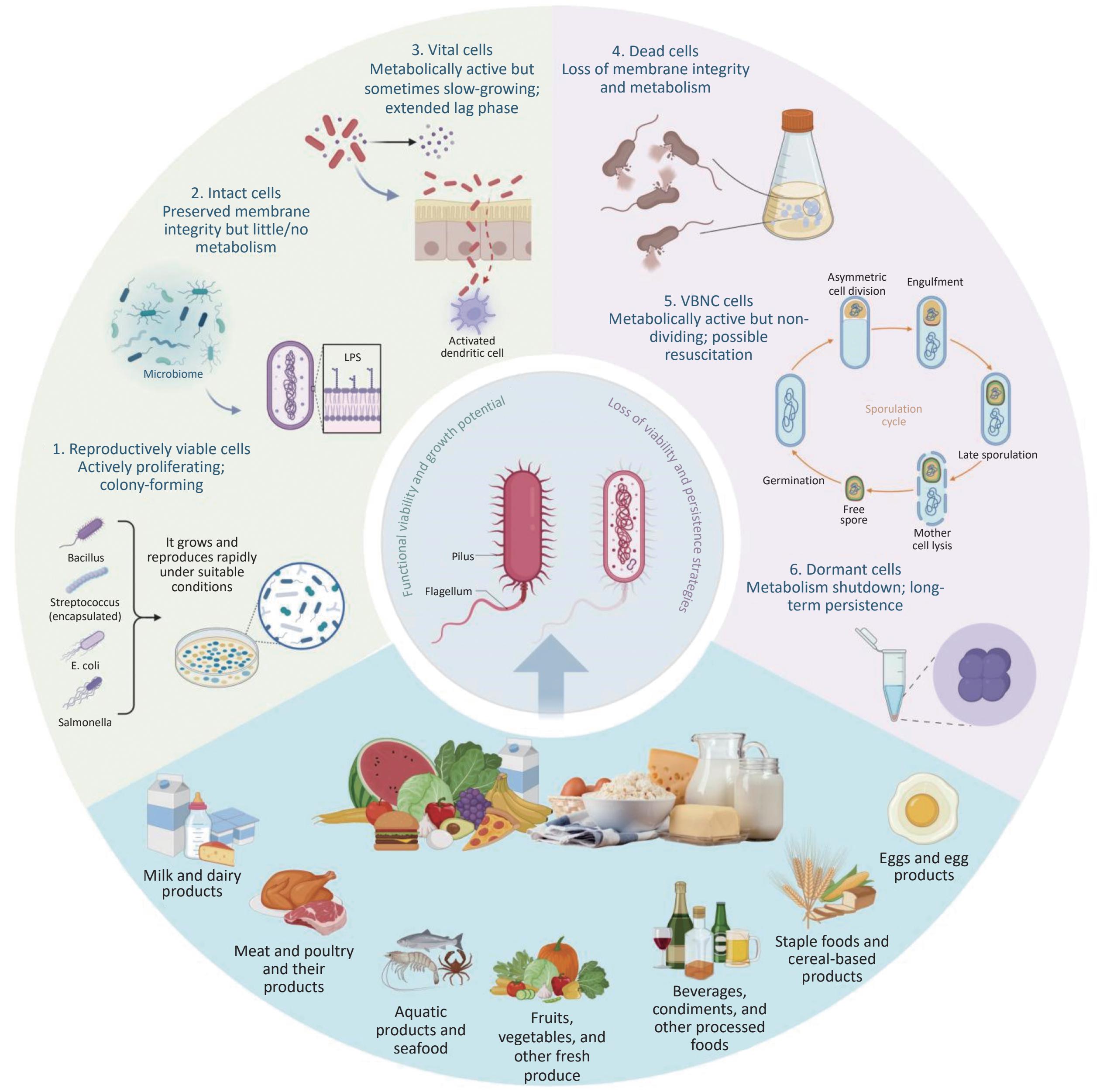
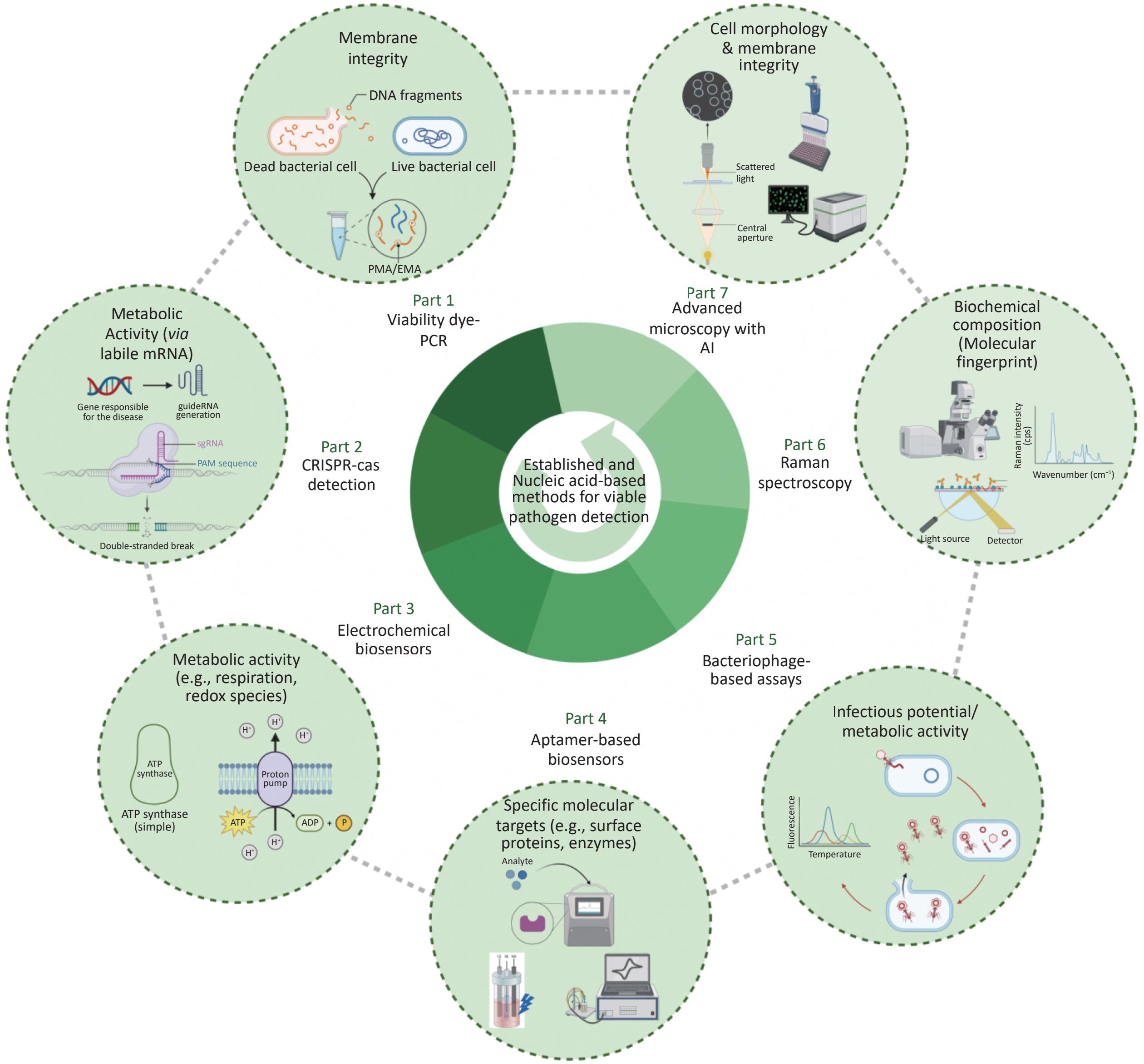
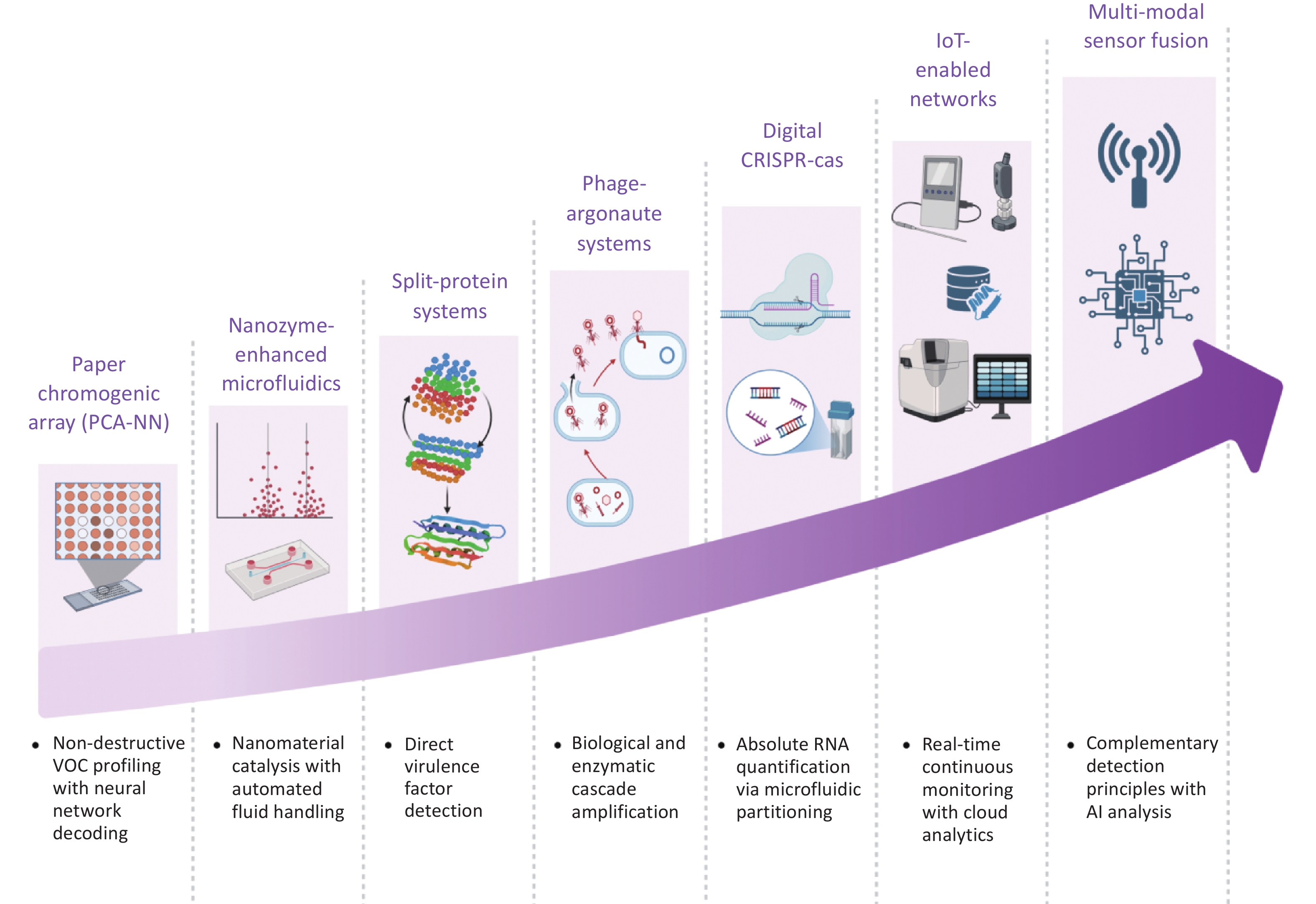
To critically examine emerging technologies for assessing foodborne-pathogen viability and to evaluate their relevance for improving food safety monitoring and public-health risk assessment. This review examines the literature on viability-detection using biological indicators such as membrane integrity, infectivity, and virulence. It addresses technologies such as viability dye-based PCR, RNA and CRISPR detection methods, biosensors, bacteriophage assays, Raman spectroscopy, and AI-supported analysis. Compared to conventional culture-based and DNA-only molecular methods, viability-focused techniques support more biologically meaningful detection, particularly for viable but non-culturable (VBNC) cells that may retain pathogenic potential. However, assay performance varies depending on food-matrix complexity, the presence of inhibitors, sensitivity limitations, and the degree of validation. Integrated systems combining multi-modal sensing, microfluidics, and machine learning have shown increasing promise for rapid on-site application, although standardization and regulatory validation remain limited. The emerging viability-focused technologies substantially refine microbial-risk assessment by accurately capturing the infectious potential of foodborne pathogens, including traditionally undetected VBNC populations. Nevertheless, integrating these technologies into routine surveillance remains constrained by matrix interference and the absence of standardized protocols. Future efforts must prioritize developing matrix-resilient methodologies and establishing regulatory validation frameworks to facilitate their practical implementation in food safety management.





















 Quick Links
