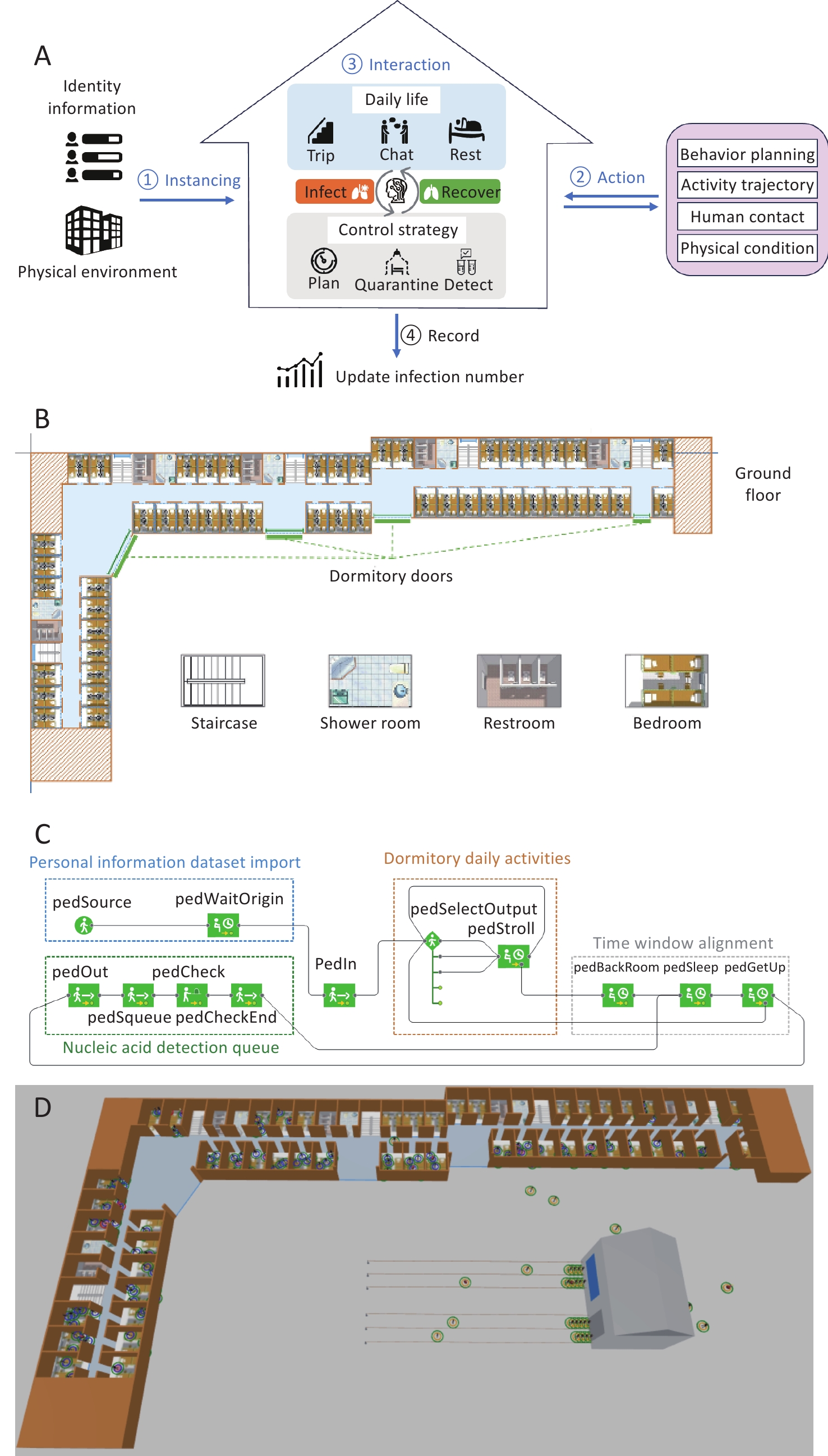
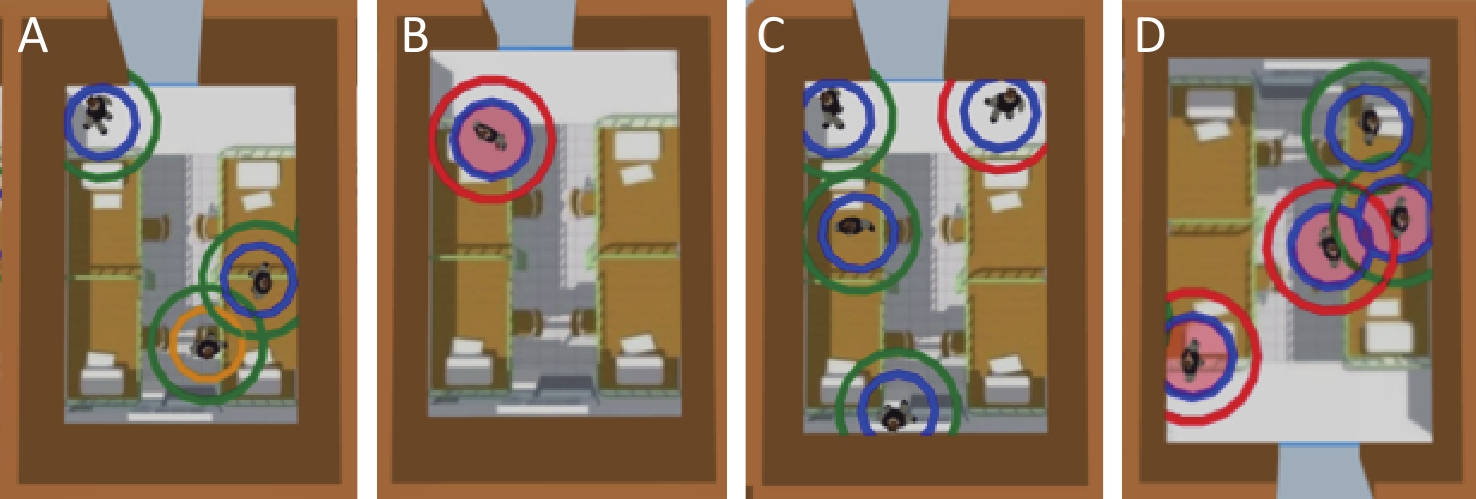
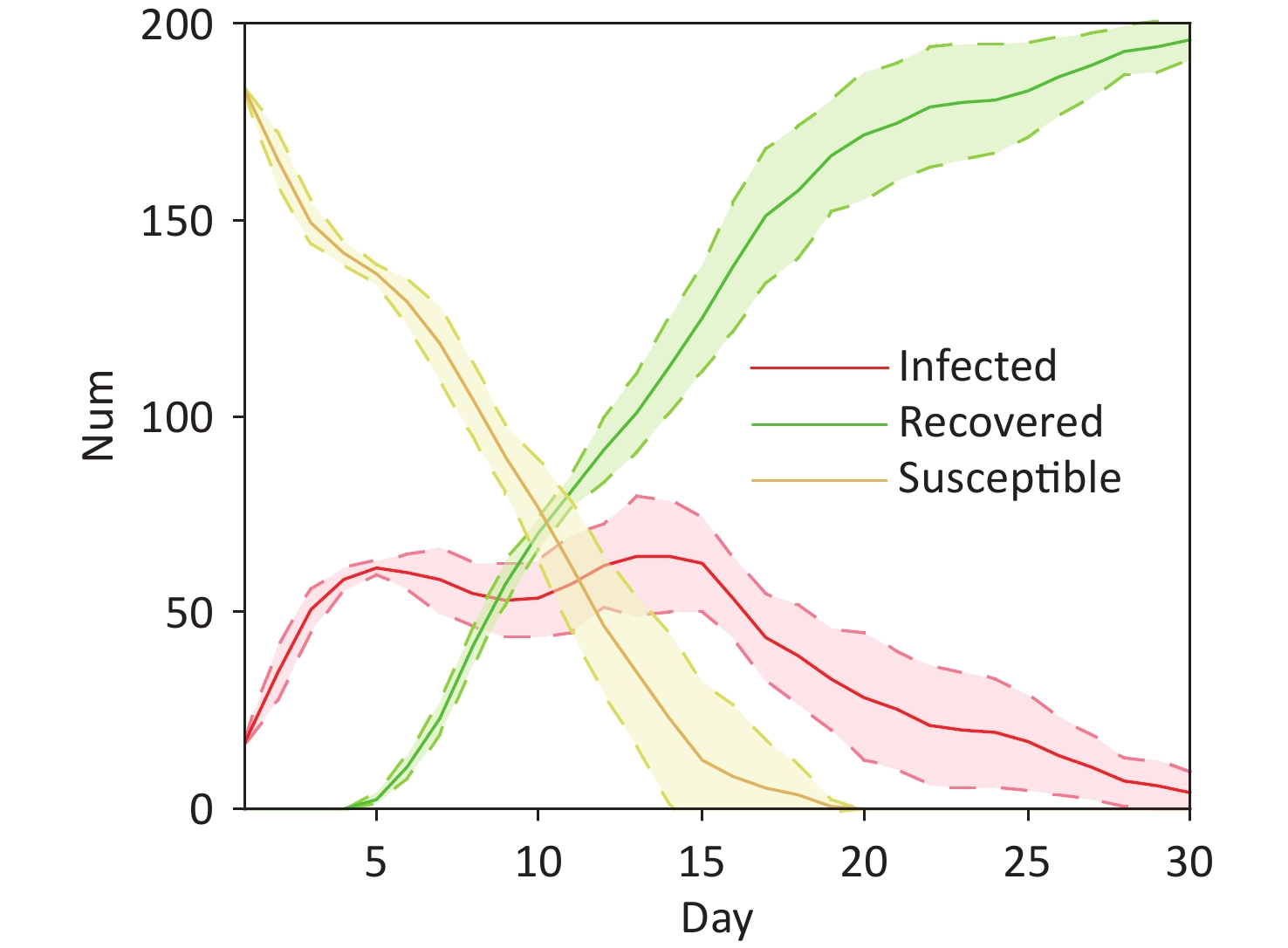
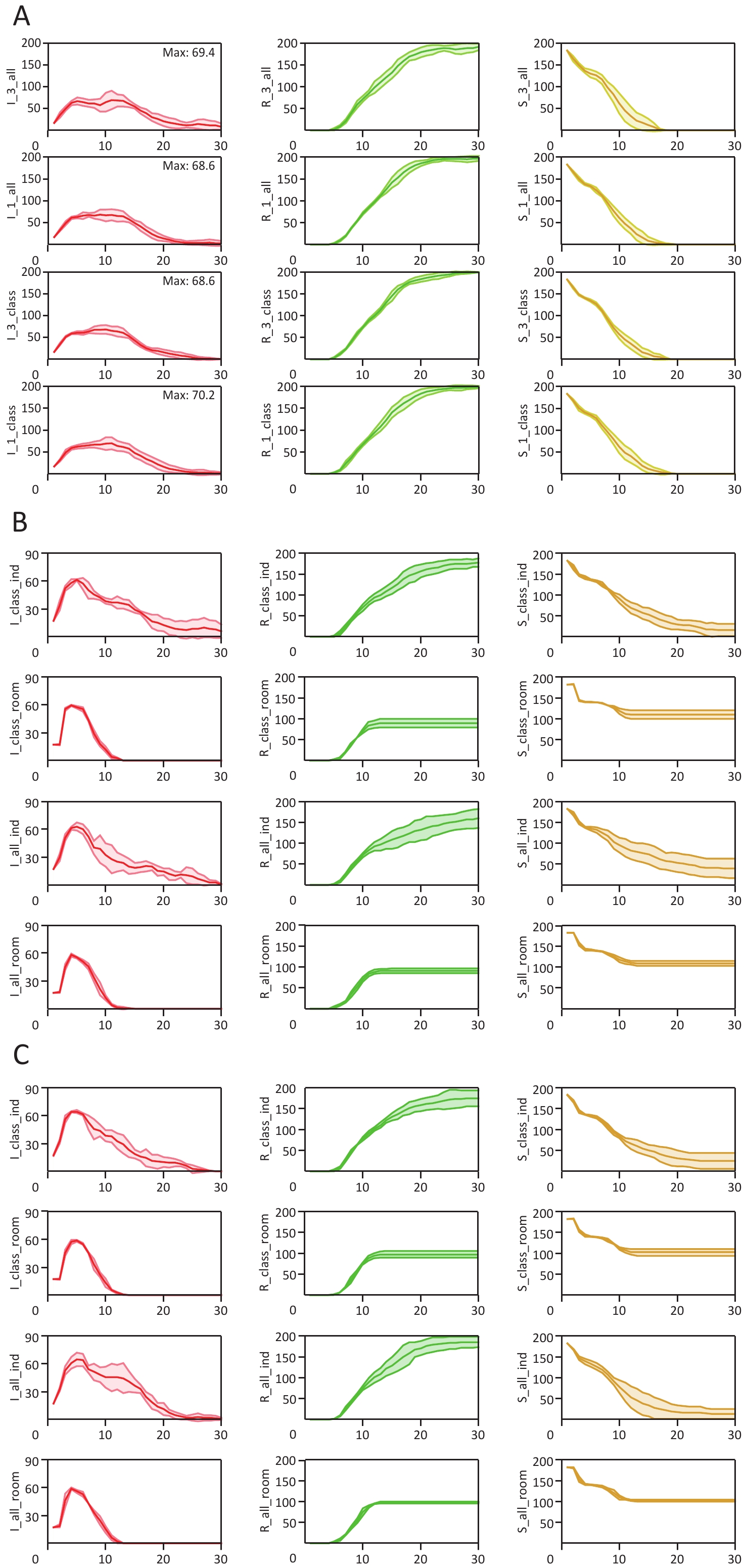
Objective Traditional disease prevention strategies that rely on fixed parameters and macro-level models struggle to capture the diversity of individual behaviors and environmental complexities. Indoor spaces with high population densities and poor ventilation, such as schools and hospitals, are particularly vulnerable to pathogen transmission. The coronavirus disease (COVID-19) pandemic highlighted the need for precise intervention strategies.Methods We developed a spatial-individual agent-based model that integrates fine-grained spatiotemporal dynamics, where transmission risk is quantified by the exact distance and duration of contact. This model was applied to a high-resolution case study of a university dormitory floor to evaluate various testing frequencies, scopes, and isolation intensities.Results Simulations showed that a dormitory-wide isolation policy outperformed individual restrictions by protecting uninfected rooms. Counter-intuitively, every-three-day class-based testing lowered infection risks compared to daily class-based testing by minimizing high-density interactions. In spatially constrained environments, stricter isolation reduces the overall outbreak duration but increases the contact transmission rate among individuals sharing the same enclosed space.Conclusion Epidemic control in high-density environments requires balancing testing frequency and isolation stringency based on spatial constraints. Under strict isolation, frequent testing is vital for breaking transmission chains. In less restrictive settings, moderately reducing the testing frequency minimizes unnecessary contact. These findings provide data-driven guidance for optimizing public health policies on campuses.
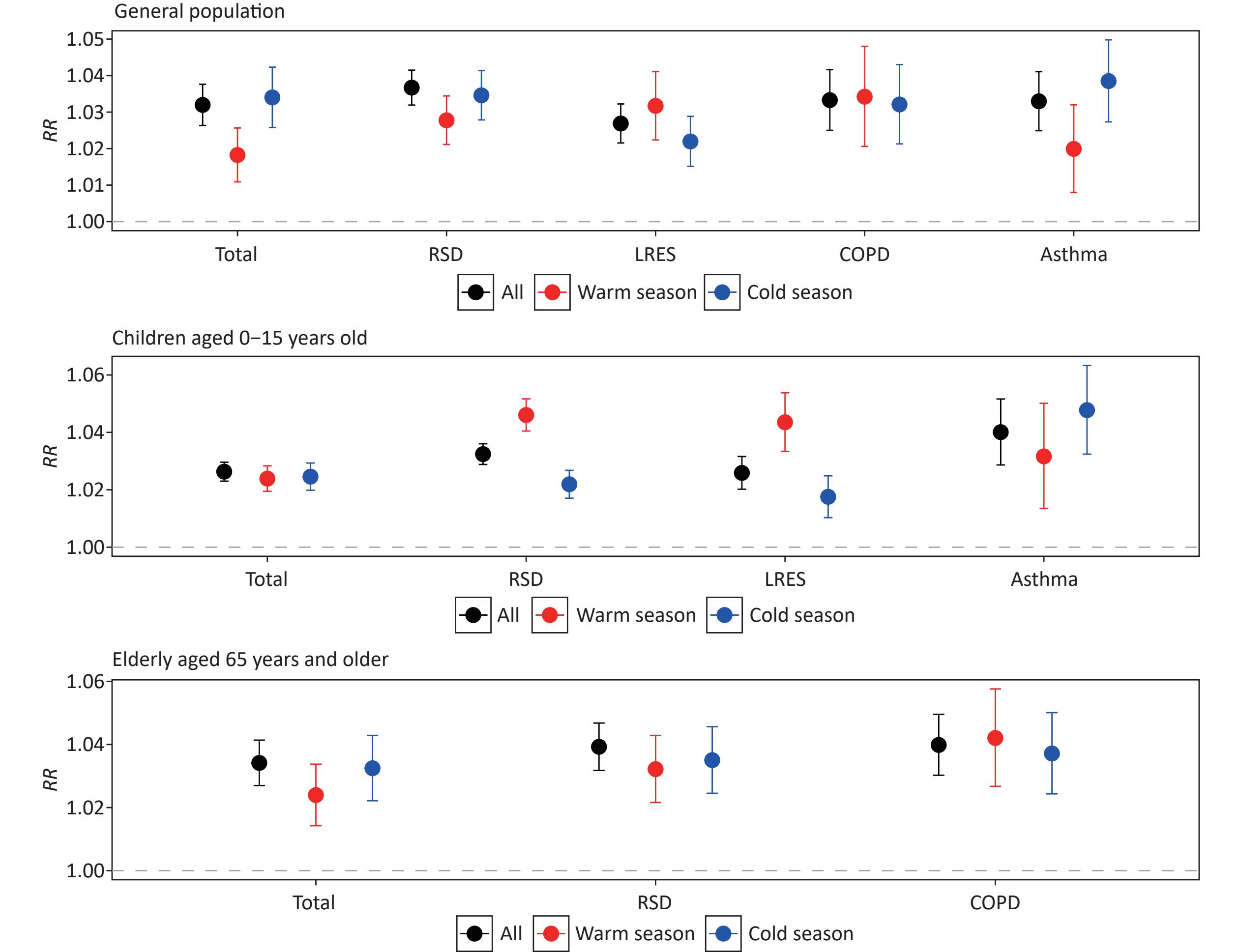
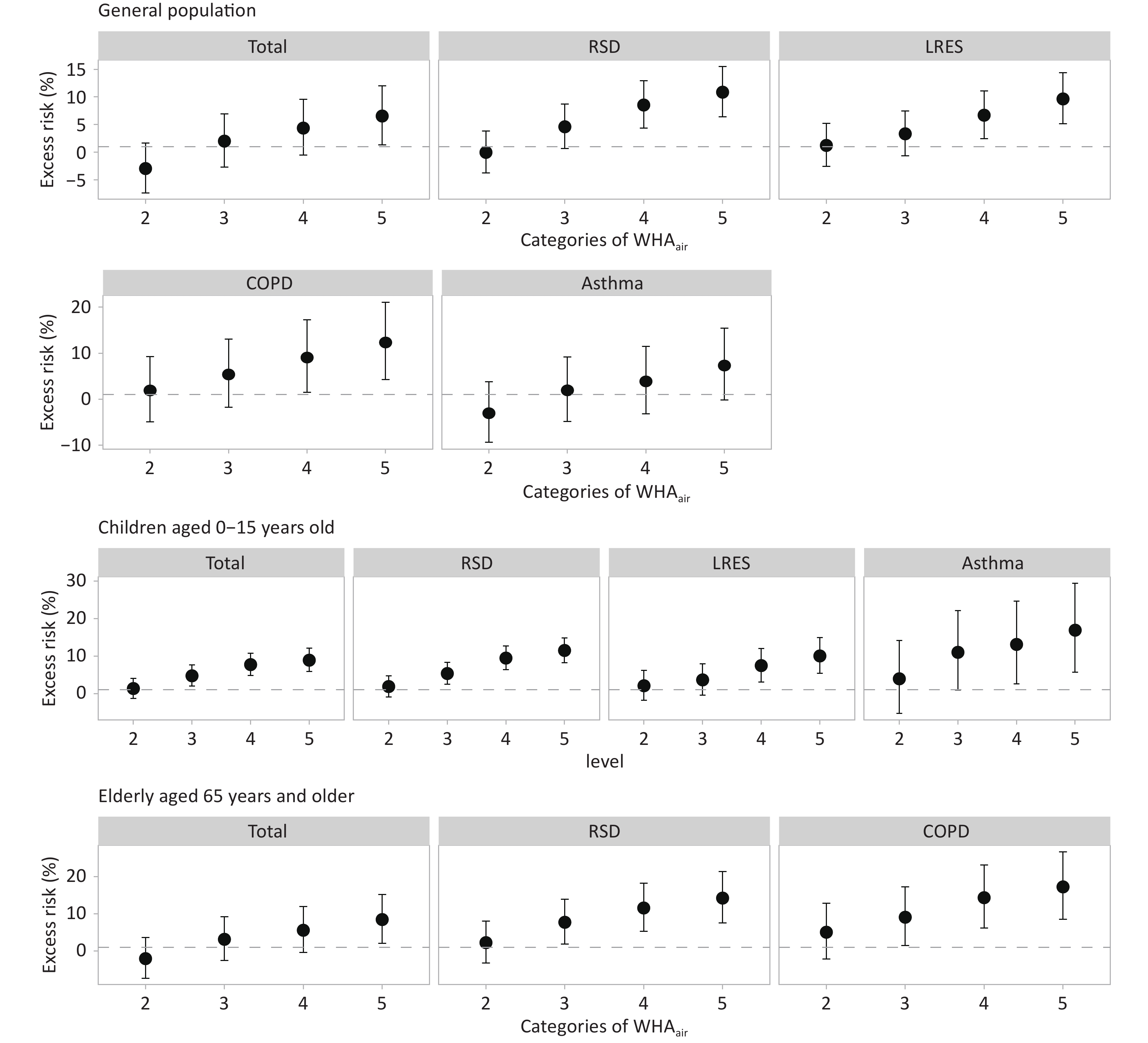
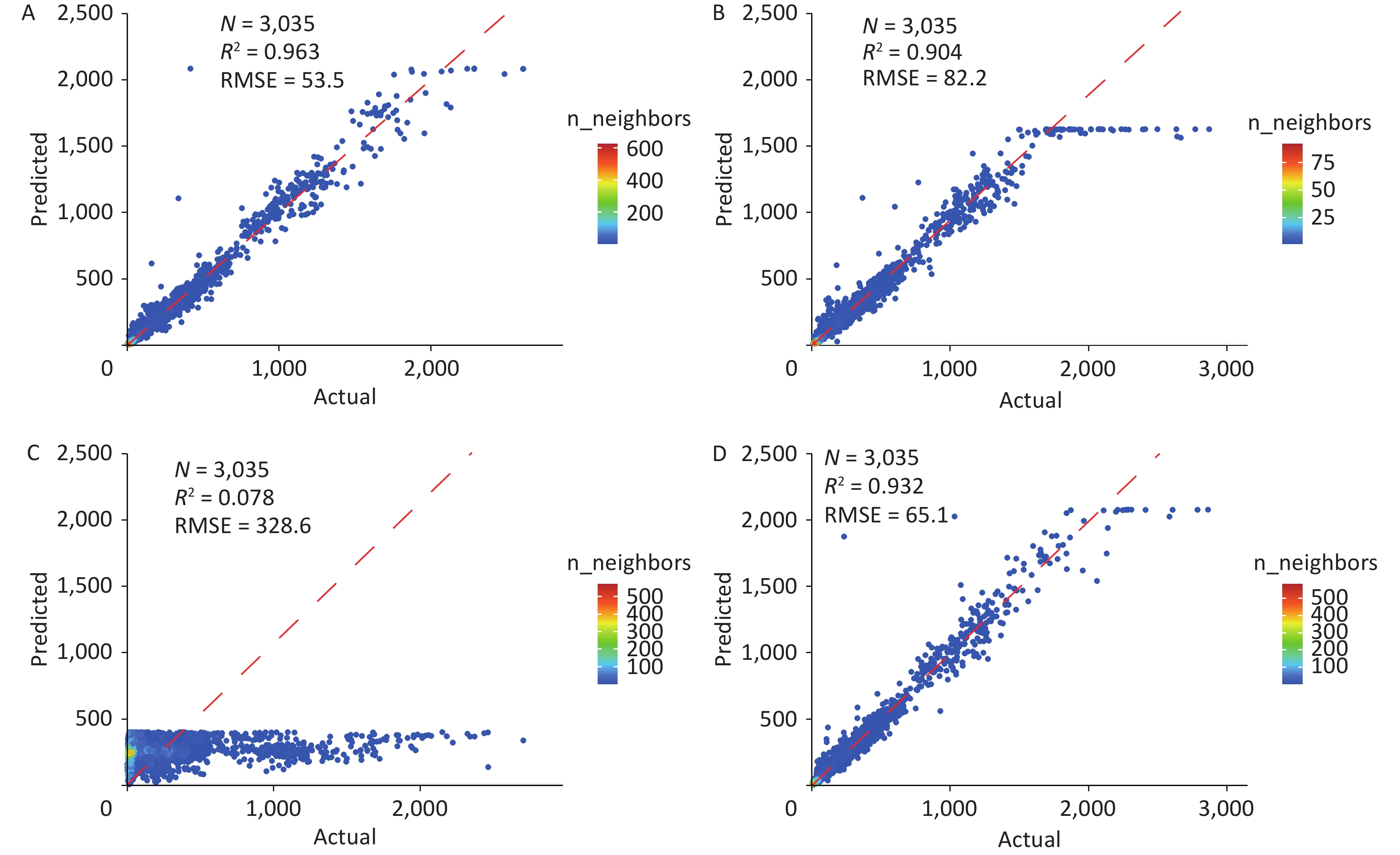
Objective City-specific tools for assessing and warning about respiratory disease risks are underdeveloped, limiting effective public health response. This study aimed to develop and validate a novel city-specific prediction framework (WHAair-LSTM) for forecasting daily respiratory outpatient visits by integrating a composite air pollution health index.Methods Based on over 223.7 million hospital visits across multiple megacities, we constructed and validated a five-level morbidity-driven composite air pollution index (WHAair) for each city using city-specific exposure-response relationships. An LSTM model was built using WHAair, temperature, humidity, and historical visit data to predict next-day visits. The proposed modeling framework was developed with city-level data, and it was externally validated using datasets from other cities. Results Higher WHAair levels were significantly associated with increased outpatient visits. The model demonstrated excellent predictive performance (Beijing: R2 = 0.963, RMSE = 53.5) and effectively captured visit surges. Excluding WHAair degraded model accuracy (ΔRMSE = +44.1%). The framework maintained robust performance in external validation, confirming its transferability.Conclusion The WHAair-LSTM framework provides a scalable and practical tool for city-level respiratory disease early warning by bridging environmental monitoring with clinical practice.
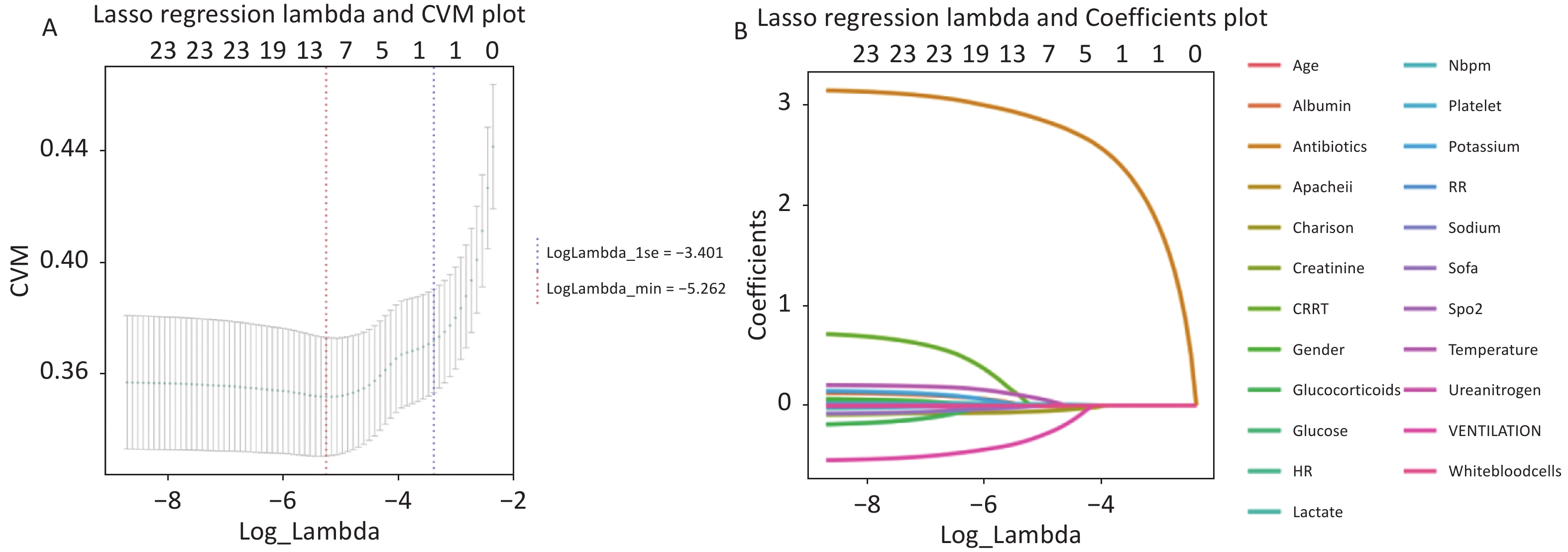
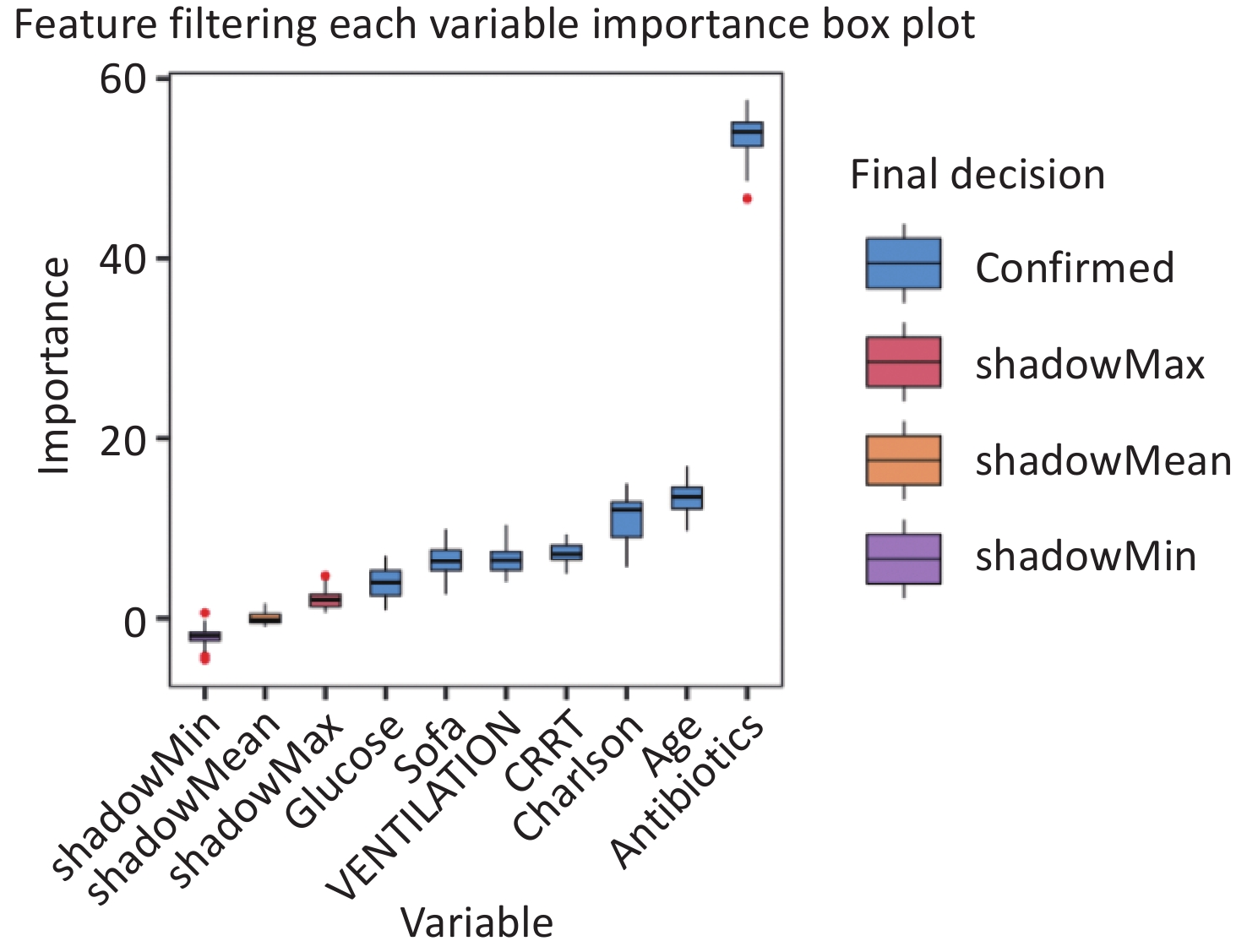
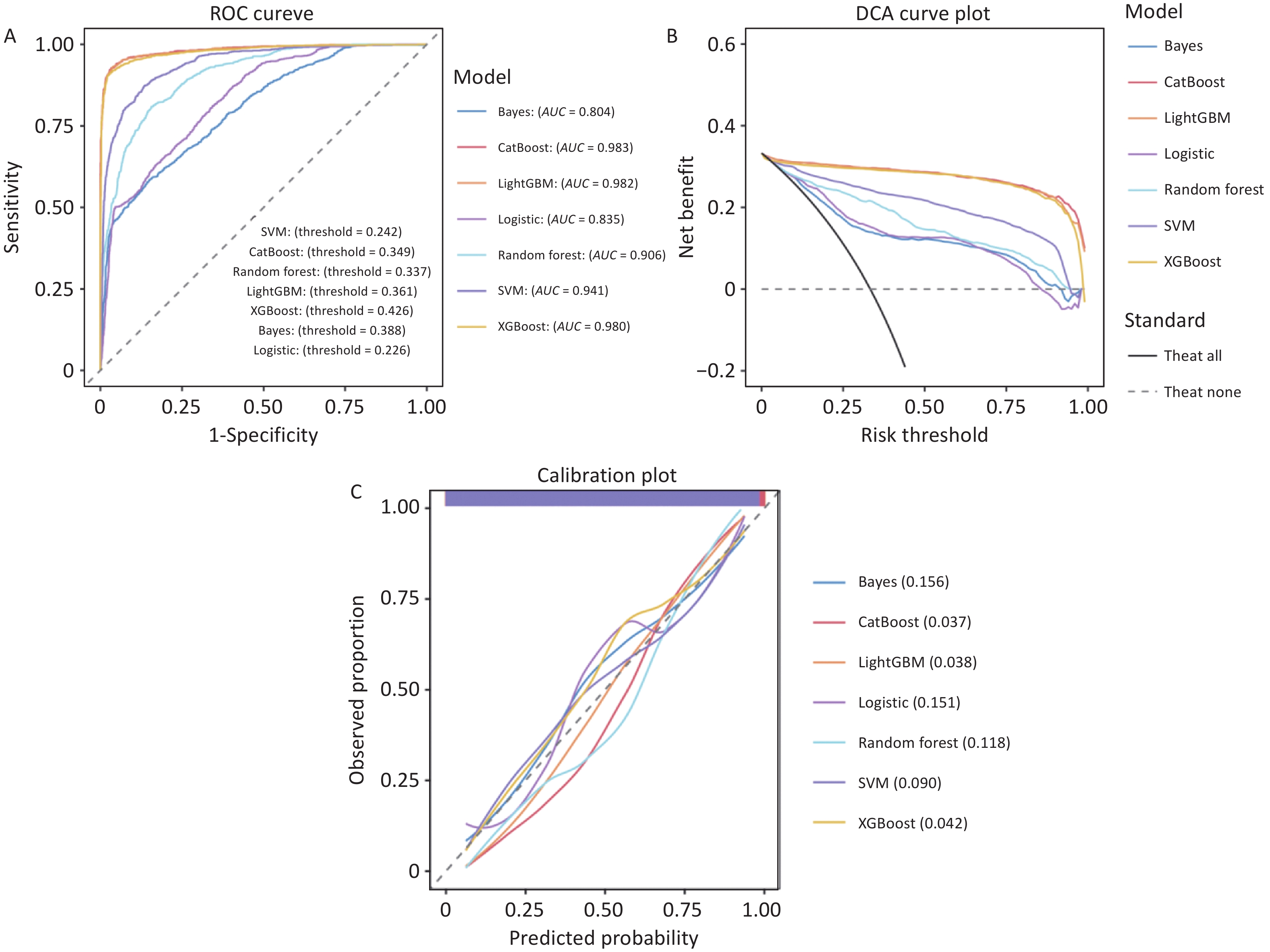
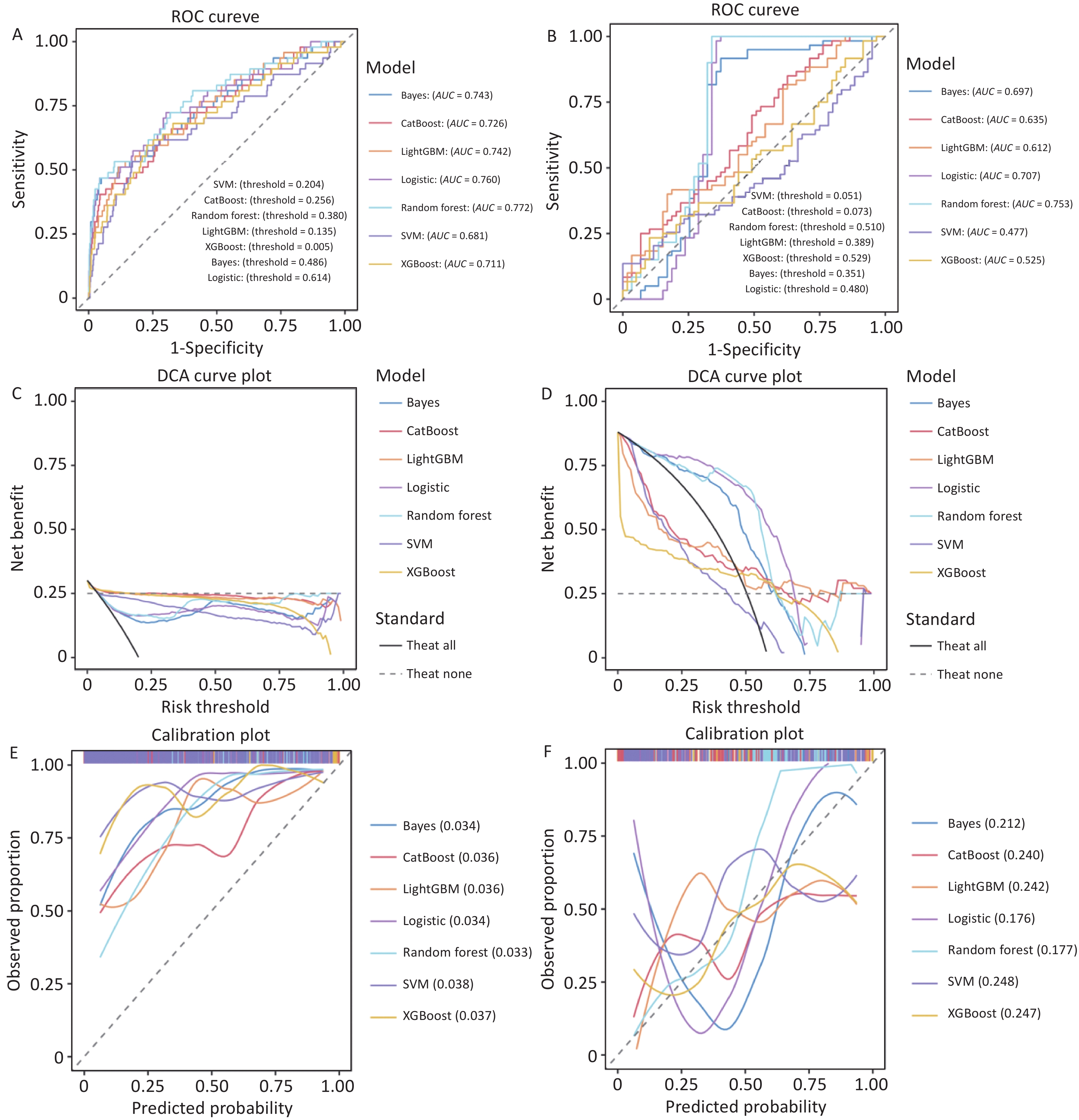
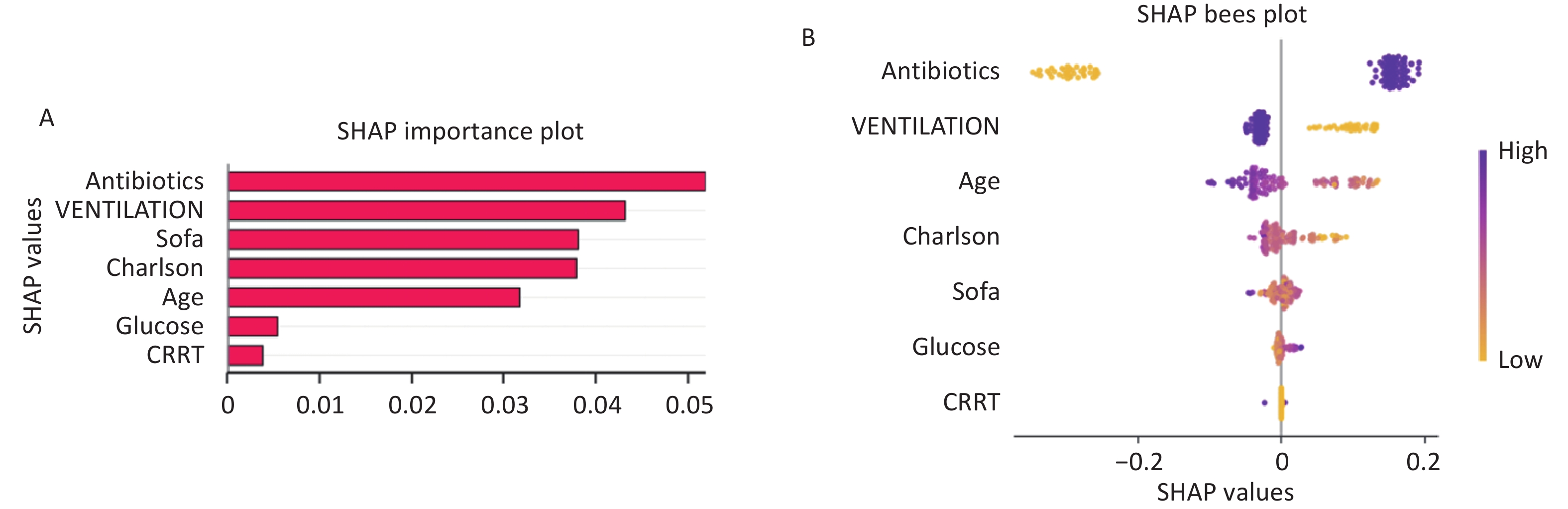
Objective Intensive-care-unit–acquired weakness (ICU-AW), including critical illness polyneuropathy (CIP), critical illness myopathy (CIM), and critical illness neuromyopathy, is a common neuromuscular complication of sepsis. An interpretable machine-learning model for the early prediction of ICU-AW in patients with sepsis was developed and validated using the Medical Information Market for Intensive Care (MIMIC)-IV v3.1 database and local hospital data.Methods A total of 3,842 adult patients who met the Sepsis-3 criteria were enrolled to create the MIMIC-IV database. ICU-AW was defined as per International Classification of Diseases codes in the MIMIC cohort and with a Medical Research Council score of ≤ 48 in the external cohort. Baseline demographics, vital signs, severity scores, and laboratory data within the first 48 h of intensive care unit (ICU) admission were recorded. Features were selected using least absolute shrinkage and selection operator (LASSO) regression and the Boruta algorithm. The dataset was split into training and validation sets in a 7:3 ratio. Seven machine-learning models were constructed: LightGBM, XGBoost, logistic regression, Naïve Bayes, random forest, CatBoost, and a support vector machine. Model performance was assessed in terms of the area under the receiver operating characteristic curve (AUC), accuracy, sensitivity, specificity, calibration curves, and decision curve analysis. SHapley Additive explanations (SHAP) analysis was used to interpret the optimal model.Results Among 3,842 patients, 203 (5.28%) were diagnosed with CIM/CIP. Seven key features were selected using the LASSO and Boruta methods. The random forest model performed the best, with an AUC of 0.772 in the validation set and 0.753 in the external cohort. It exhibited good calibration and the highest net benefit. The SHAP analysis revealed that early antibiotic use, early mechanical ventilation, sequential organ failure assessment scores, and age were the main predictors of ICU-AW.Conclusion A random forest model using early ICU data could effectively predict the risk of ICU-AW in patients with sepsis and offer interpretation via SHAP. Thus, it may serve as a clinical decision-making tool for early risk identification and optimized prevention.
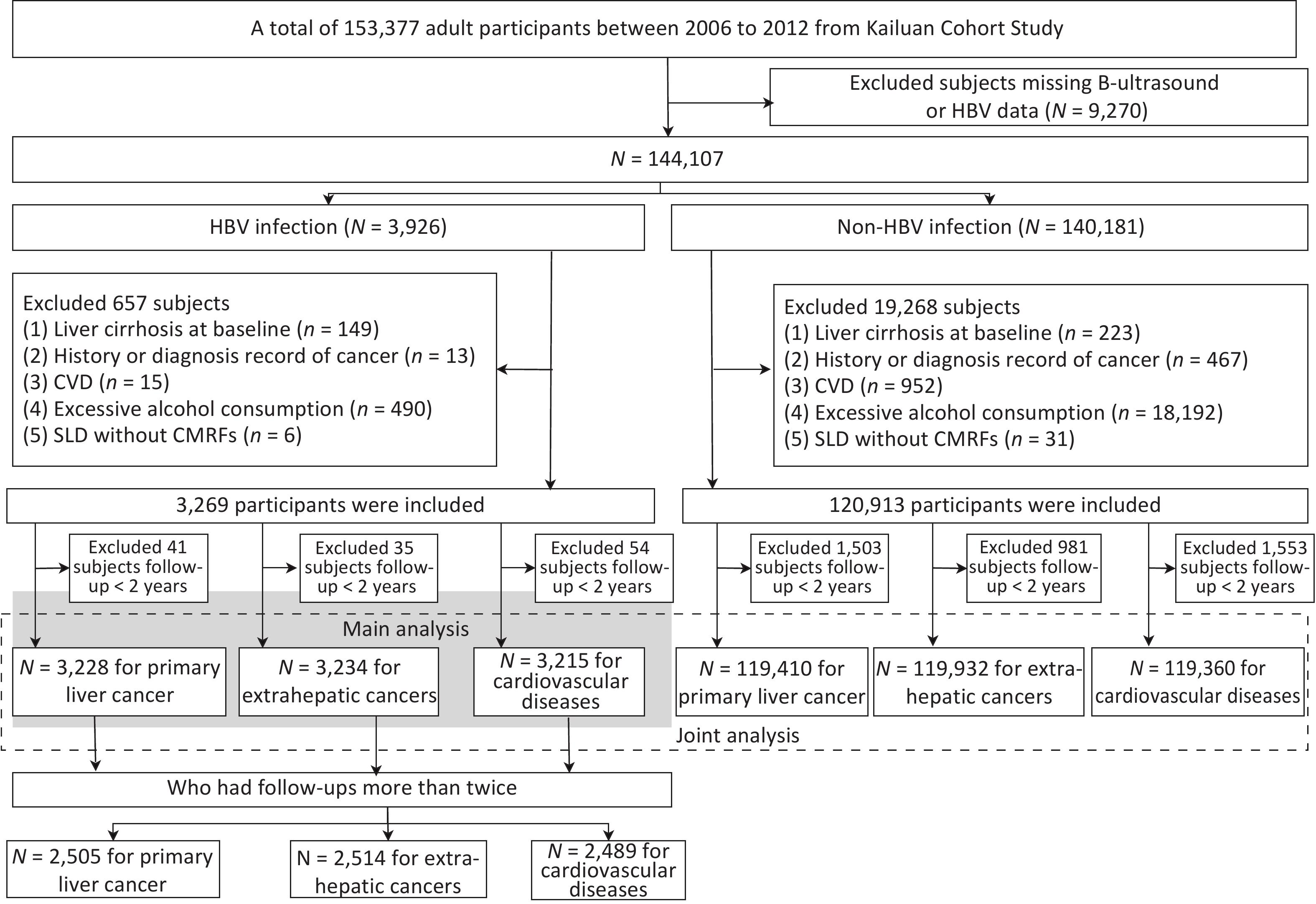
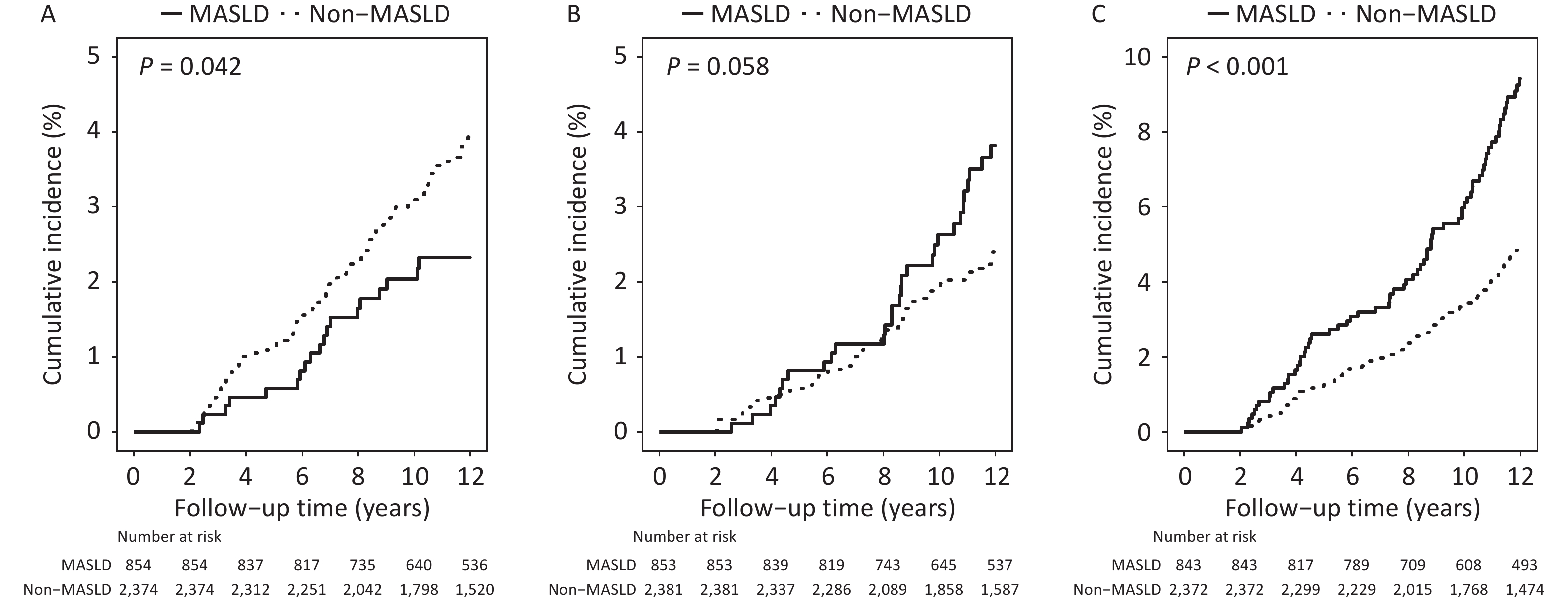
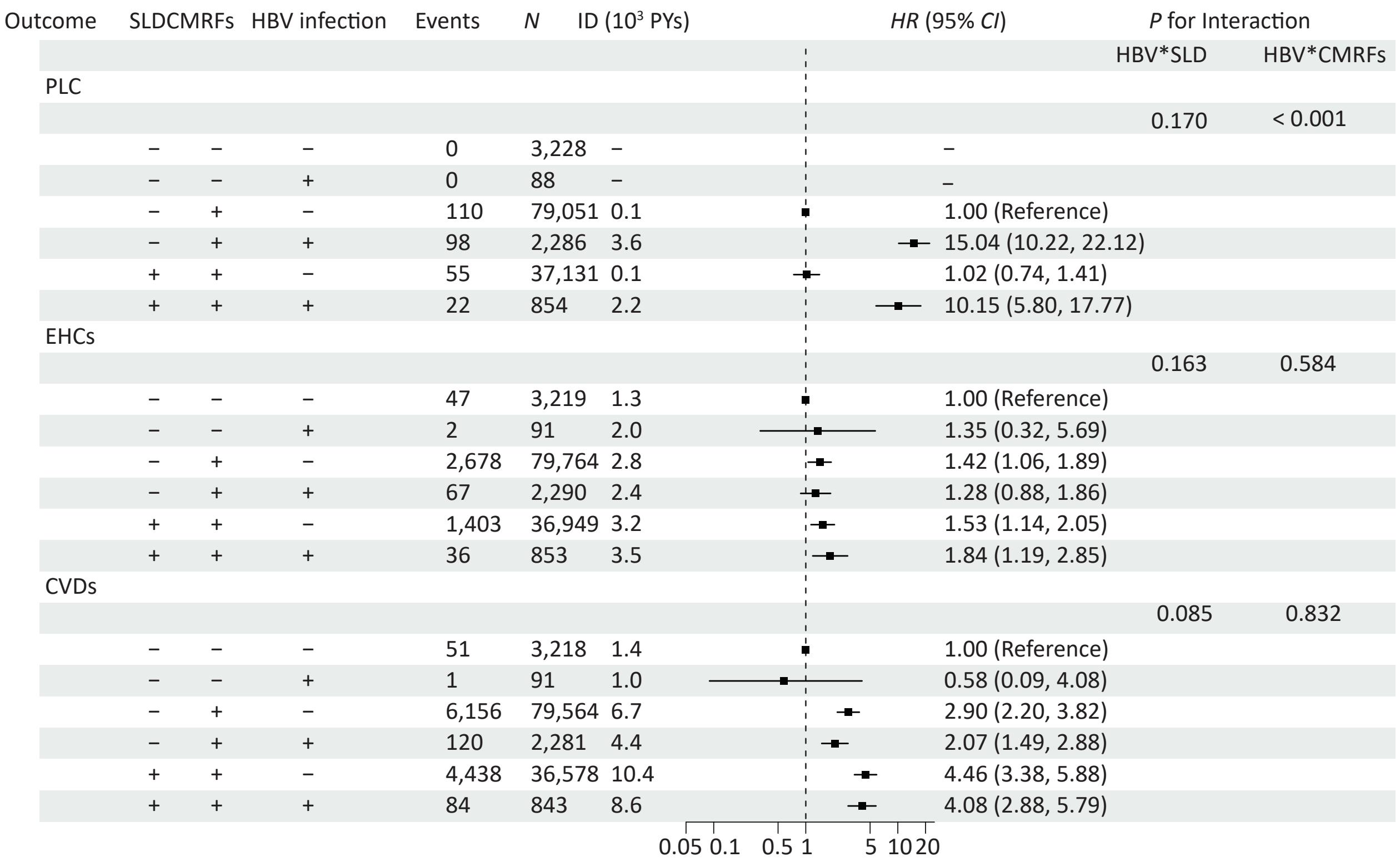
Objective To examine the influence of metabolic dysfunction-associated steatotic liver disease (MASLD) on long-term outcomes of patients with chronic hepatitis B virus (HBV) infection.Methods A total of 3,269 participants with chronic HBV infection from the Kailuan Cohort (median follow-up: 13.7 years) were enrolled to estimate the hazard ratios (HRs) and 95% confidence intervals (CIs) for outcomes associated with MASLD. In addition, 120,913 individuals without HBV infection were included to assess the independent and interactive associations between steatotic liver disease (SLD), cardiometabolic risk factors (CMRFs), and HBV infection.Results In individuals with chronic HBV infection, MASLD was not linked to primary liver cancer but was associated with an increased risk of extrahepatic cancers (HR = 1.50, 95% CI, 1.01–2.25) and cardiovascular diseases (HR = 1.98, 95% CI, 1.49–2.63), especially in participants with normal alanine aminotransferase, mild SLD, and persistent MASLD. The risk of cardiovascular disease remained elevated in the participants with reversed MASLD. Joint analysis indicated a significant synergistic interaction between HBV infection, CMRFs, and primary liver cancer.Conclusions In patients with chronic HBV infection, MASLD serves as a crucial indicator of significantly elevated systemic risk, underscoring the importance of addressing both virological control and metabolic health regardless of their current hepatic steatosis and liver enzyme status.
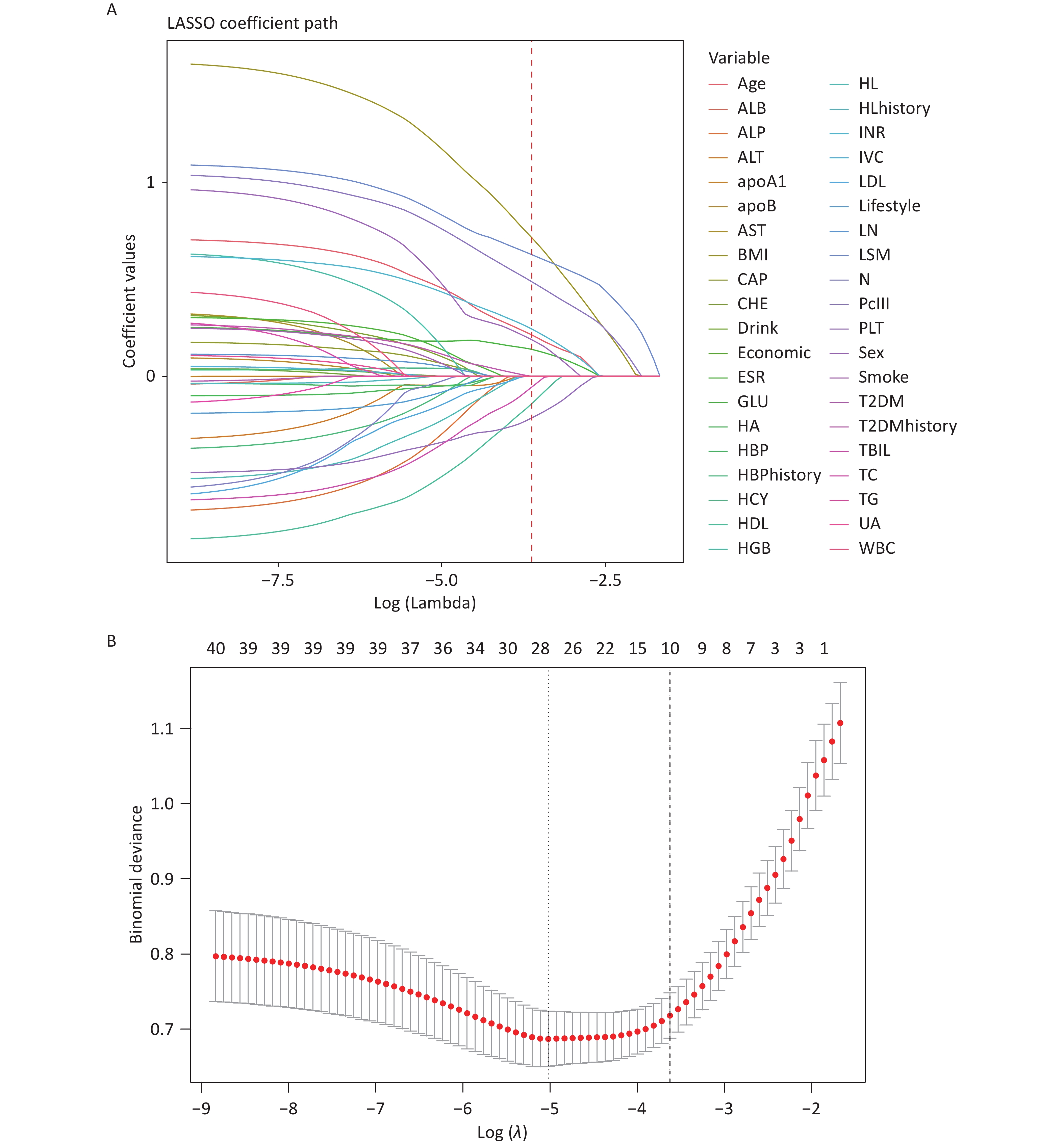
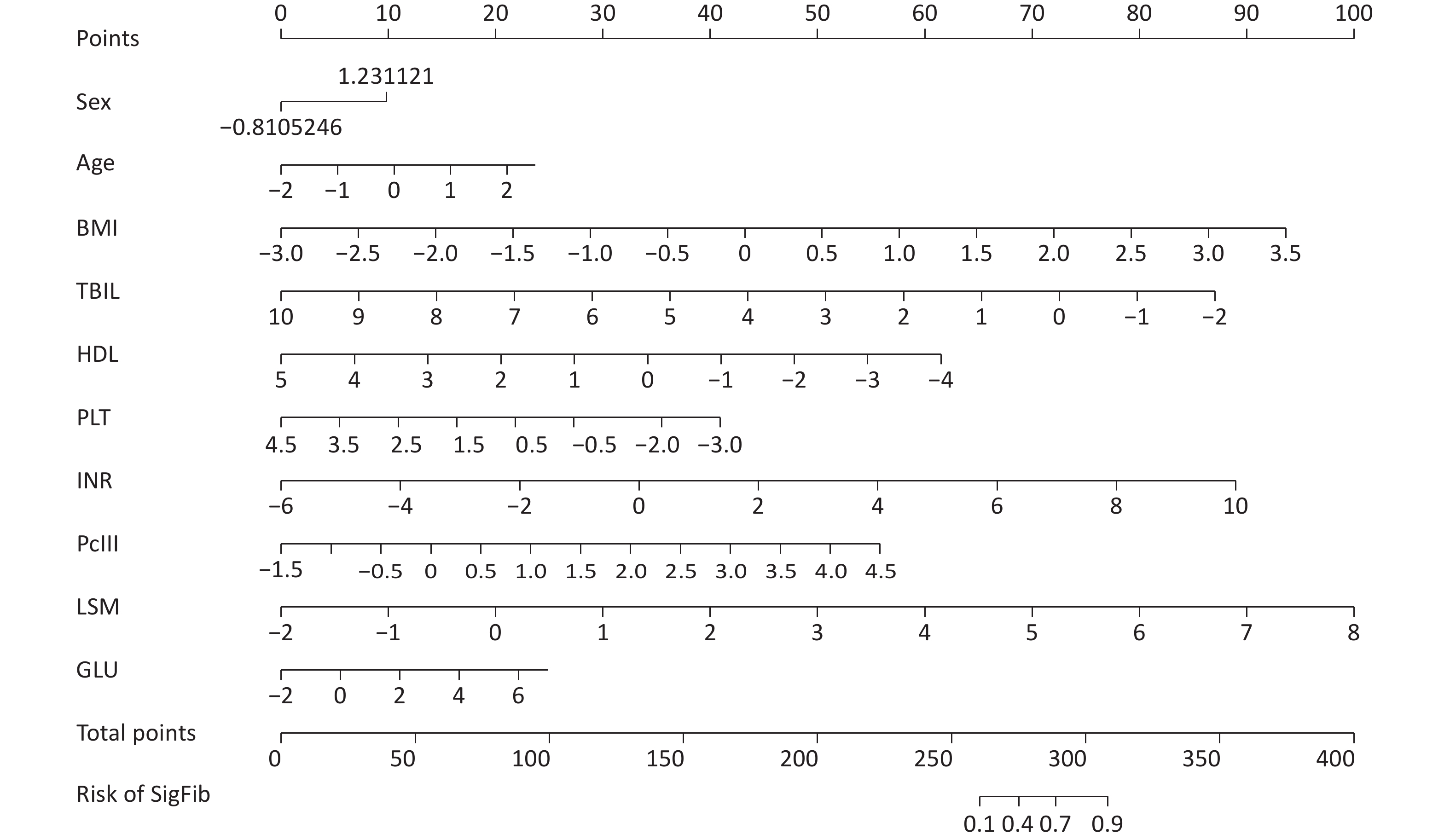
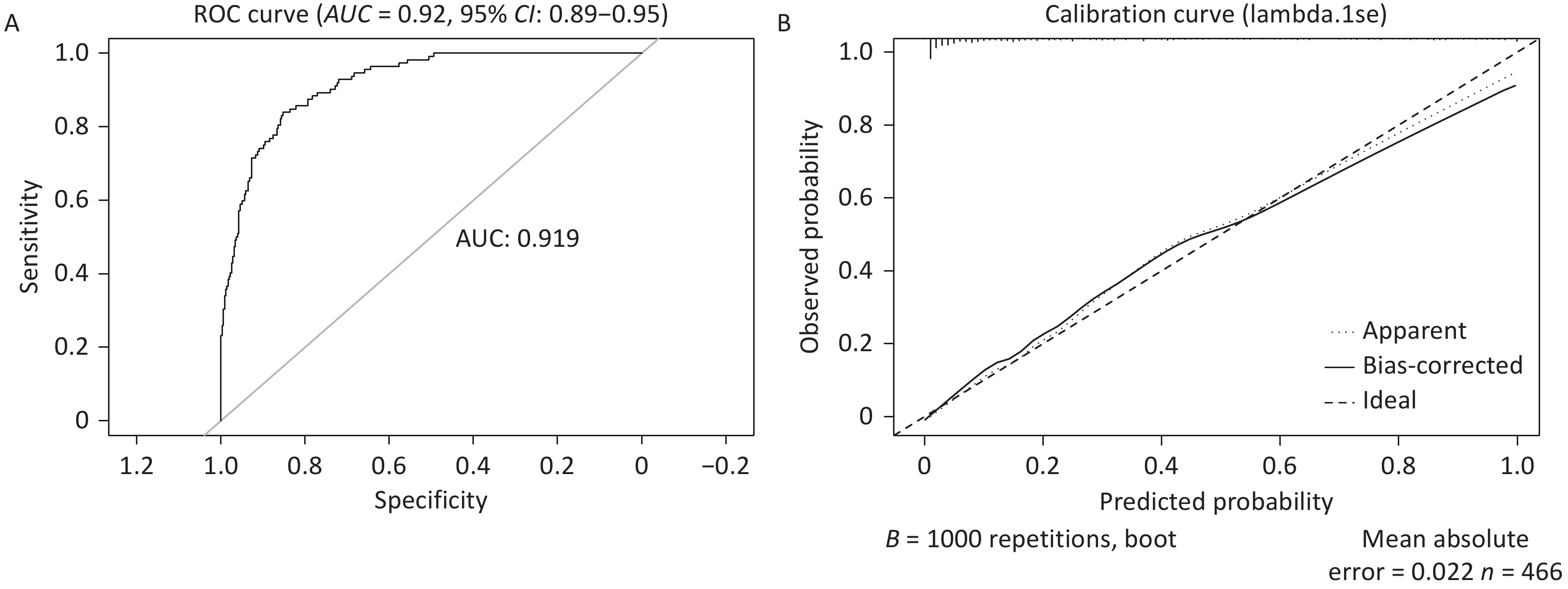
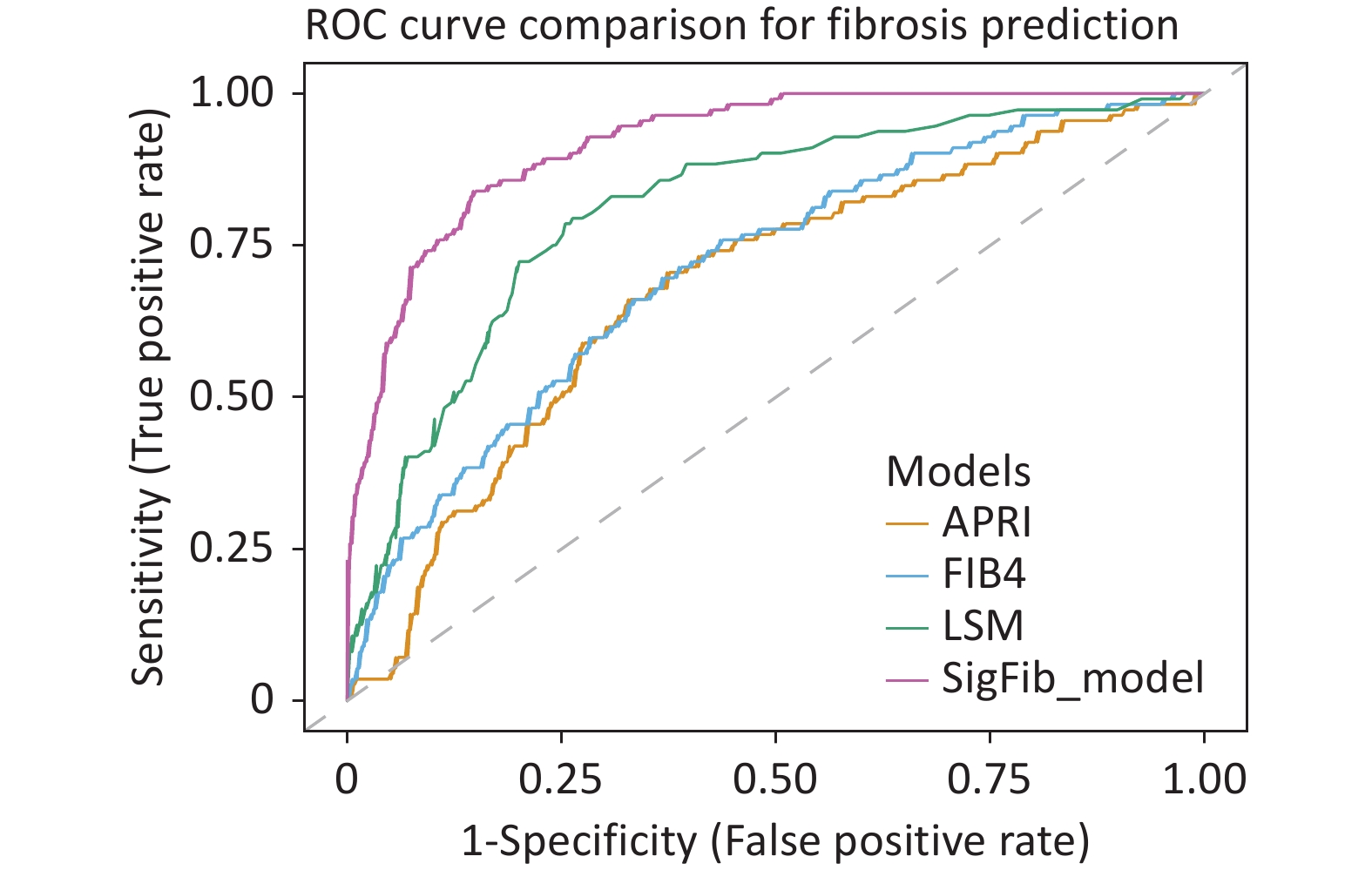
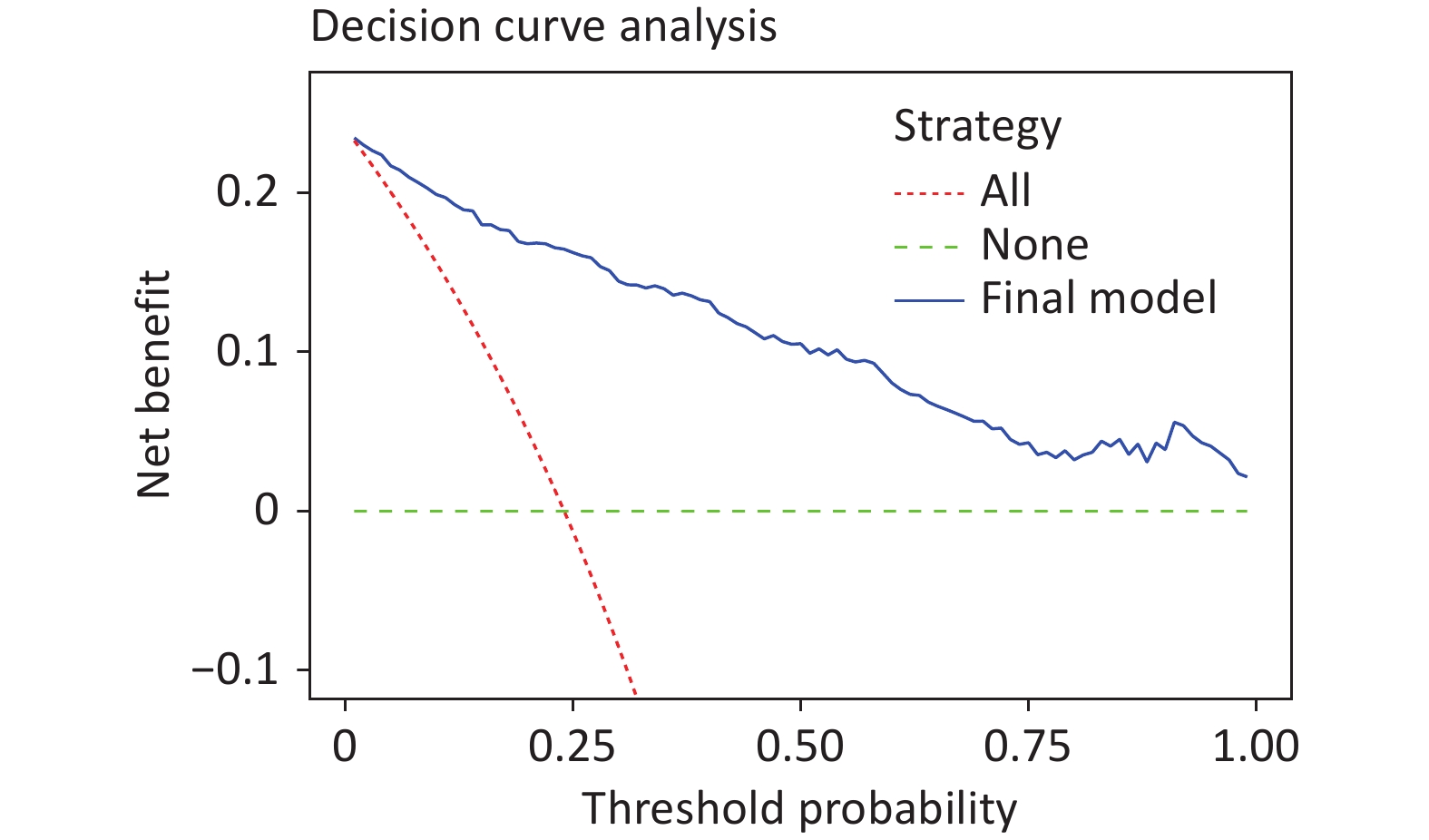
Objective Nonalcoholic fatty liver disease (NAFLD) is an increasing global health concern, with liver-related mortality increasing as fibrosis progresses. This study aimed to identify the key determinants and develop a noninvasive model to detect significant hepatic fibrosis.Methods A total of 466 patients with biopsy-confirmed NAFLD were retrospectively analyzed at Beijing Ditan Hospital between 2008 and 2018. The patients were classified into non-significant (S0–1) and significant fibrosis (S2–4) groups. Relevant features were selected using least absolute shrinkage and selection operator (LASSO) regression, followed by multivariate logistic regression to construct a model for the cross-sectional identification of significant fibrosis. Model performance was assessed using receiver operating characteristic (ROC) curves, decision curve analysis (DCA), and bootstrap validation.Results Of the 466 patients, 112 had significant fibrosis. LASSO regression identified 10 relevant features, and the model achieved an AUC of 0.919 (sensitivity, 83.9%; specificity, 85.3%) with a corrected AUC of 0.907 after bootstrap validation. It outperformed the APRI, FIB-4, and LSM (P < 0.001), and the DCA confirmed its clinical utility across probability thresholds.Conclusion The noninvasive model, incorporating demographic, laboratory, and imaging parameters, accurately identified significant hepatic fibrosis in NAFLD and outperformed existing noninvasive scores. This may facilitate interventions and guide personalized management.
Objective To investigate the association between occupational high-temperature exposure and accelerated biological aging.Methods A total of 140 male workers exposed to occupational high-temperatures and 207 male non-exposed control workers were selected as study subjects. Questionnaire surveys and health examinations were conducted. Biological age and organ-specific biological age were calculated using the Klemera–Doubal method. Generalized linear models were used to analyze the effects of occupational high-temperature exposure, body mass index (BMI), smoking, alcohol consumption, and sleep duration on biological age (BA) acceleration and organ-specific biological age.Results Significant differences were observed between the exposed and control groups in length of service, systolic blood pressure, red blood cell count, albumin levels, urea, creatinine, BA acceleration, and liver–kidney BA acceleration (P < 0.05). Compared with the control group, which showed a BA acceleration of 0.04 ± 1.34 years, the exposed group demonstrated significantly higher BA acceleration of 0.62 ± 1.31 years. After adjustment for covariates, workers exposed to high-temperatures exhibited significantly higher BA acceleration and liver-kidney BA acceleration than controls (P < 0.001). High-temperature exposure and BMI were associated with BA acceleration, with a significant interaction between the two factors (P < 0.05). High-temperature exposure, BMI, and smoking were identified as risk factors for BA acceleration, whereas sleep duration was a protective factor (P < 0.05).Conclusion Occupational high-temperature exposure may accelerate biological aging. An interaction exists between occupational high-temperature exposure and BMI in relation to BA acceleration.Graphical Abstract available in www.besjournal.com.
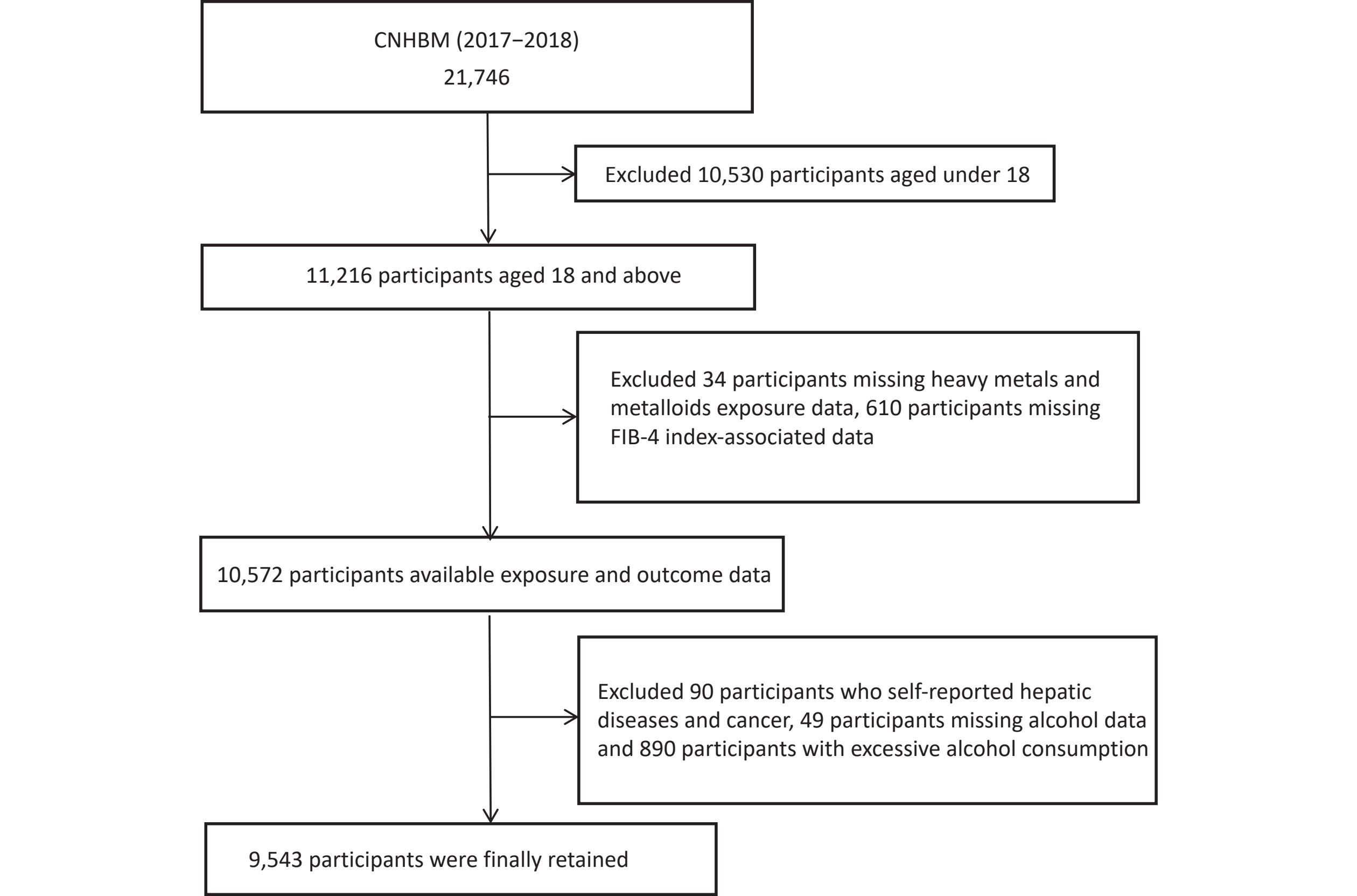
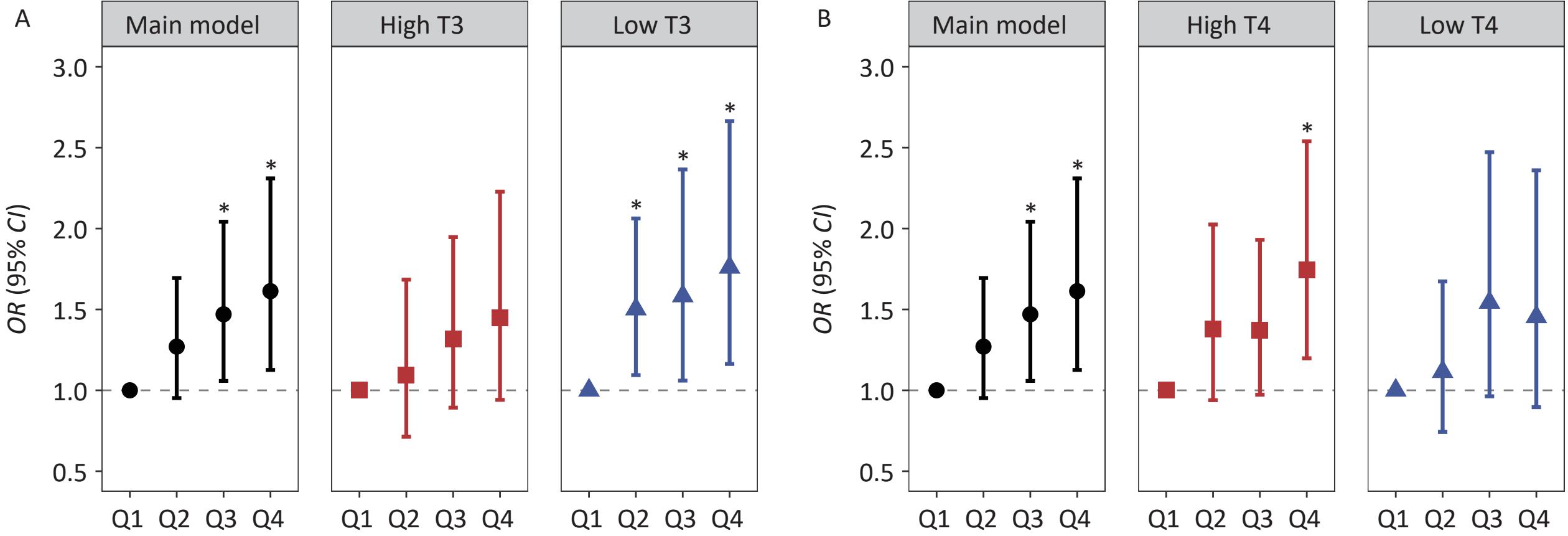
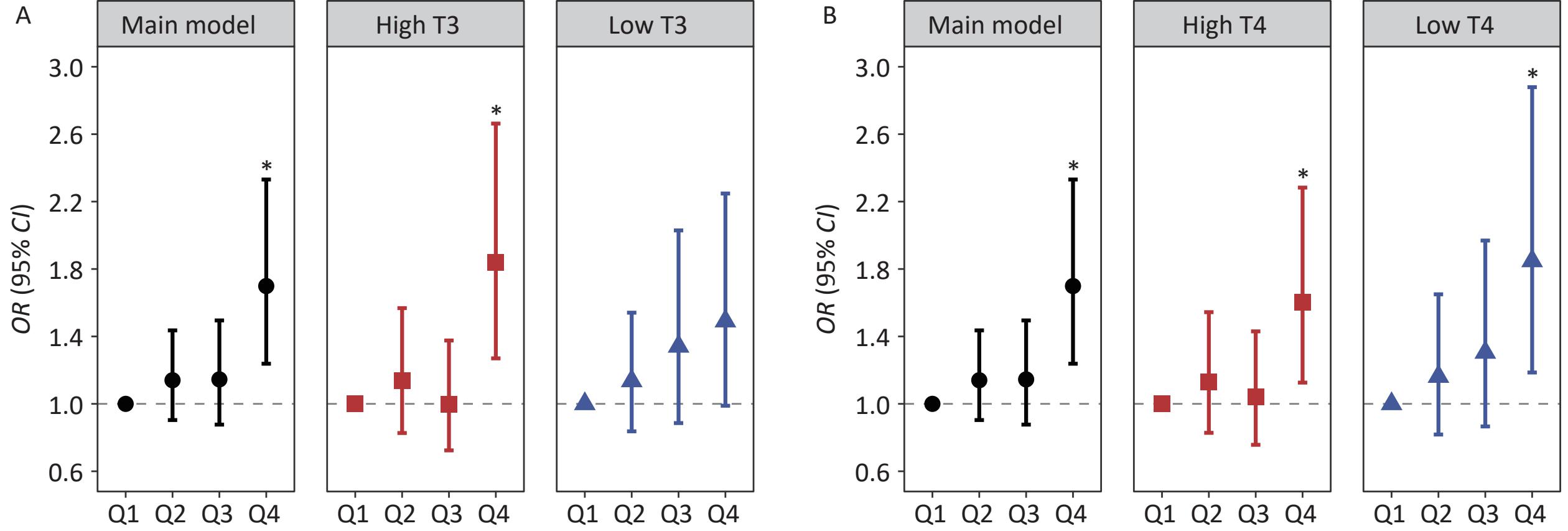
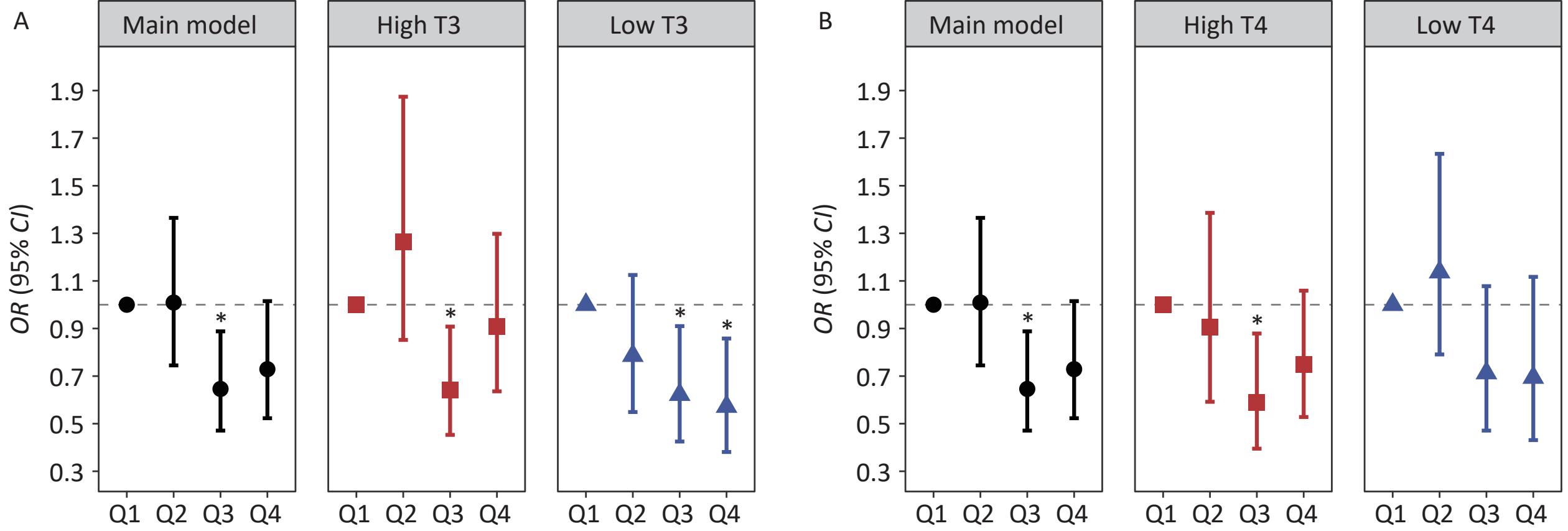
Objective To investigate associations between heavy metals and metalloids (HMMs) exposure and hepatic fibrosis risk, and to explore the modifying role of thyroid hormones.Methods Using nationally representative data from 9,543 adults in the China National Human Biomonitoring (CNHBM) program, hepatic fibrosis risk was assessed with the Fibrosis-4 index (FIB-4). Weighted logistic and linear regression models were applied to evaluate links between 13 HMMs and fibrosis outcomes. Dose-response relationships were modeled with restricted cubic splines, and subgroup analyses were used to explore potential effect modification.Results Blood cobalt (Co) (OR = 1.613, 95% CI: 1.126−2.310) and blood manganese (Mn) (OR = 1.699, 95% CI: 1.238−2.331) showed nonlinear positive associations with hepatic fibrosis risk, while urinary tin (Sn) (OR = 0.888, 95% CI: 0.797−0.990) was inversely associated. Low triiodothyronine (T3) levels increased Co-induced fibrosis risk and may enhance the protective effect of Sn, while high T3 levels exacerbated Mn-related risk. Stratified analysis by thyroxine (T4) levels showed directionally consistent associations with the main findings.Conclusion Blood Co and Mn nonlinearly increased hepatic fibrosis risk, urinary Sn reduced it. T3 levels modulated these metal-specific risks, highlighting thyroid hormones as potential modifiers in HMMs-induced hepatotoxicity.






















 Quick Links