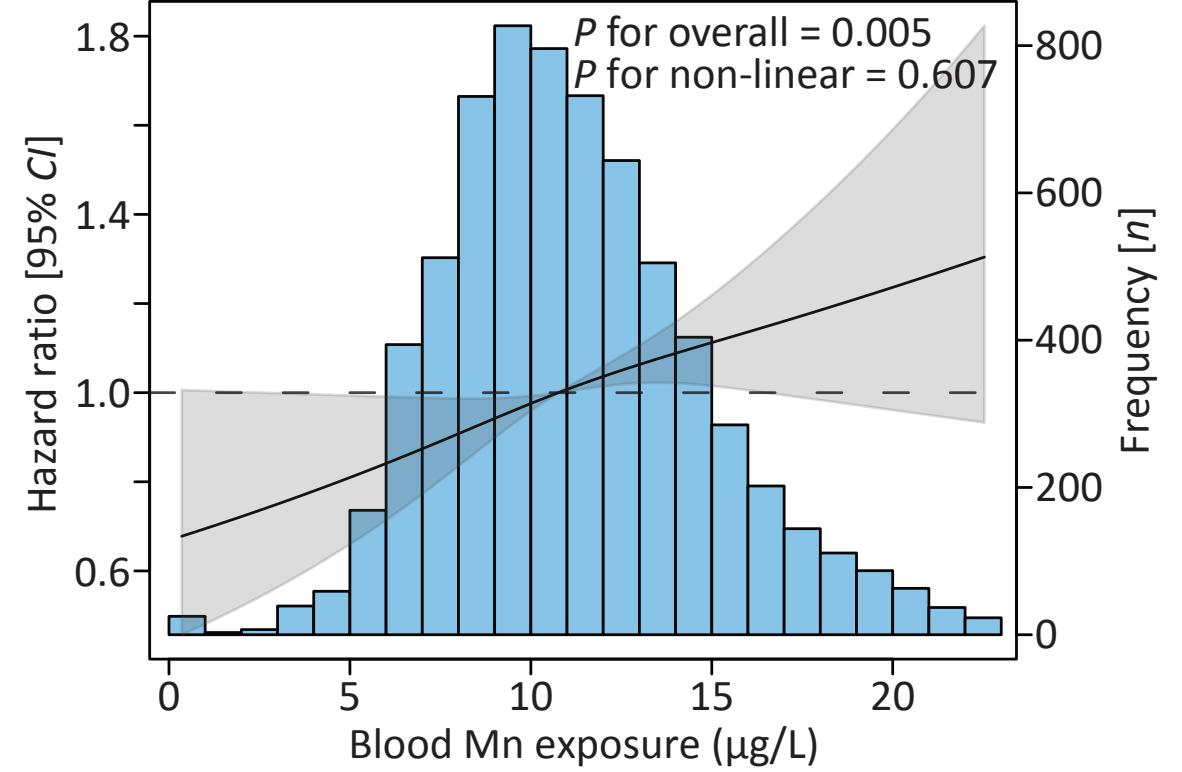
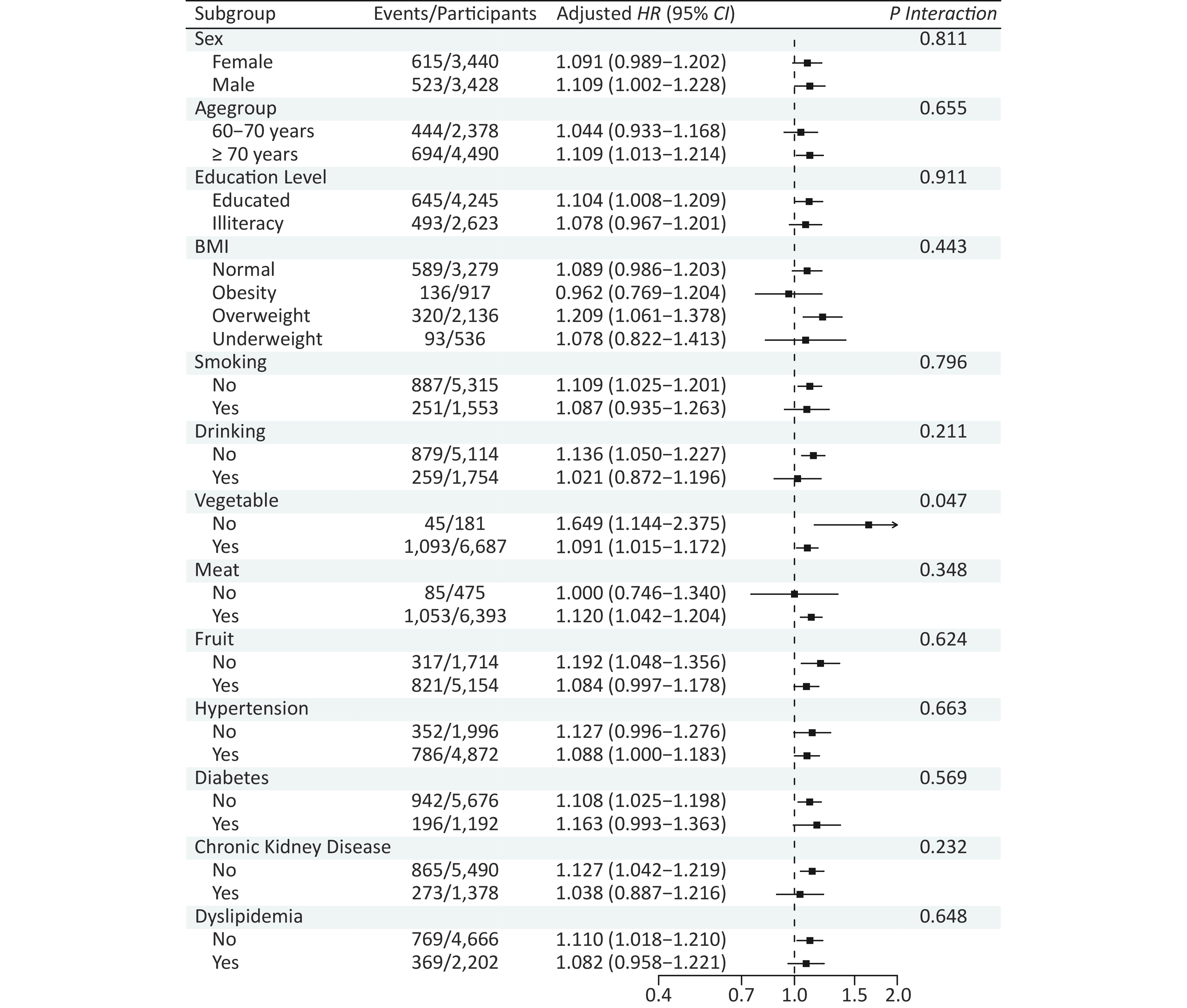
Objective The prospective cohort study aimed to examine the link between blood Manganese (Mn) concentrations and incident cognitive impairment risk in Chinese elderly individuals.Methods This study enrolled 6,868 individuals aged 60 years and above from two cohort studies from 2017 to 2024. High-resolution inductively coupled plasma mass spectrometry was employed to quantify blood Mn concentrations. Cognitive function was evaluated by Mini-Mental State Examination (MMSE). Cox proportional hazards models were used to assess the association between blood Mn levels and risk of cognitive impairment, while linear mixed-effects models were used to examine their associations with MMSE and domain-specific cognitive scores. Restricted cubic spline (RCS) was confirmed to explore the dose-response relationship.Results During an average follow-up of 4.00 years, 1,138 developed cognitive impairment. The mean blood Mn concentration across all participants was 11.297 ± 3.763 µg/L. After full adjustment for covariates, higher blood Mn levels (per interquartile range [IQR] increase) were significantly associated with greater declines in MMSE score (β = −0.033, 95% confidence interval [CI]: −0.048, −0.018) and in multiple domain-specific scores, including orientation, attention and calculation, language, naming, and recall, with the strongest associations observed for naming (β = −0.043, 95% CI: −0.070, −0.015) and recall (β = −0.047, 95% CI: −0.064, −0.030). Individuals in the highest quartile (Q4) of blood Mn levels exhibited a 28.5% greater risk of cognitive impairment (Adjusted hazard ratio [HR] =1.285, 95% CI: 1.081, 1.526) versus the lowest quartile (Q1) of blood Mn levels. The risk of cognitive impairment was 13.1% higher for each IQR increase in blood Mn (HR = 1.131, 95% CI: 1.051, 1.217). A positive and linear dose-response pattern was confirmed by the RCS model (P for non-linearity > 0.05).Conclusions In this population-based prospective cohort study of older adults, higher blood Mn levels were significantly associated with poorer cognitive performance and an increased risk of cognitive impairment, with the most pronounced associations observed for naming and recall ability, suggesting that reducing Mn exposure could serve as a modifiable target for cognitive health protection among older adults.
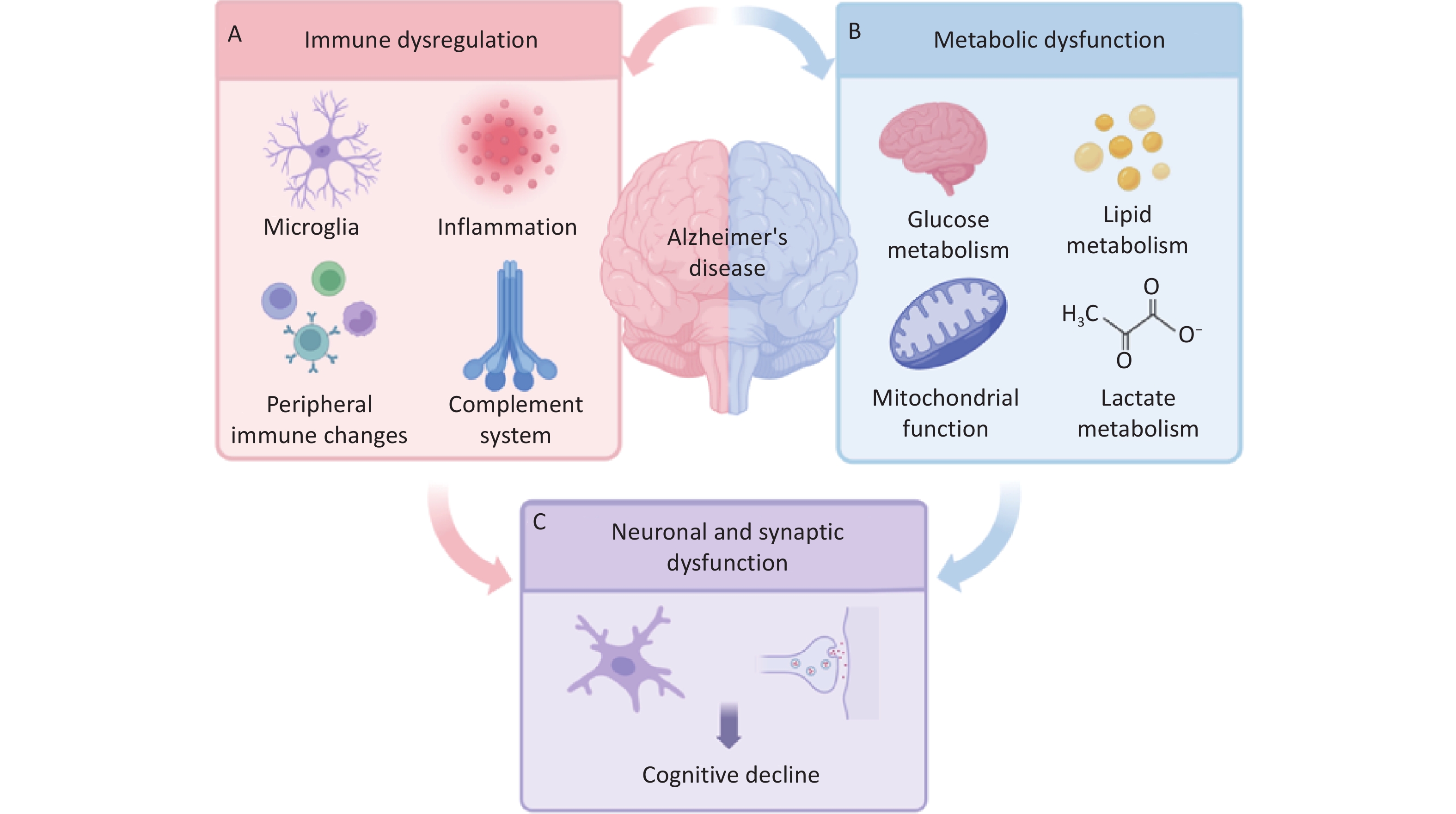
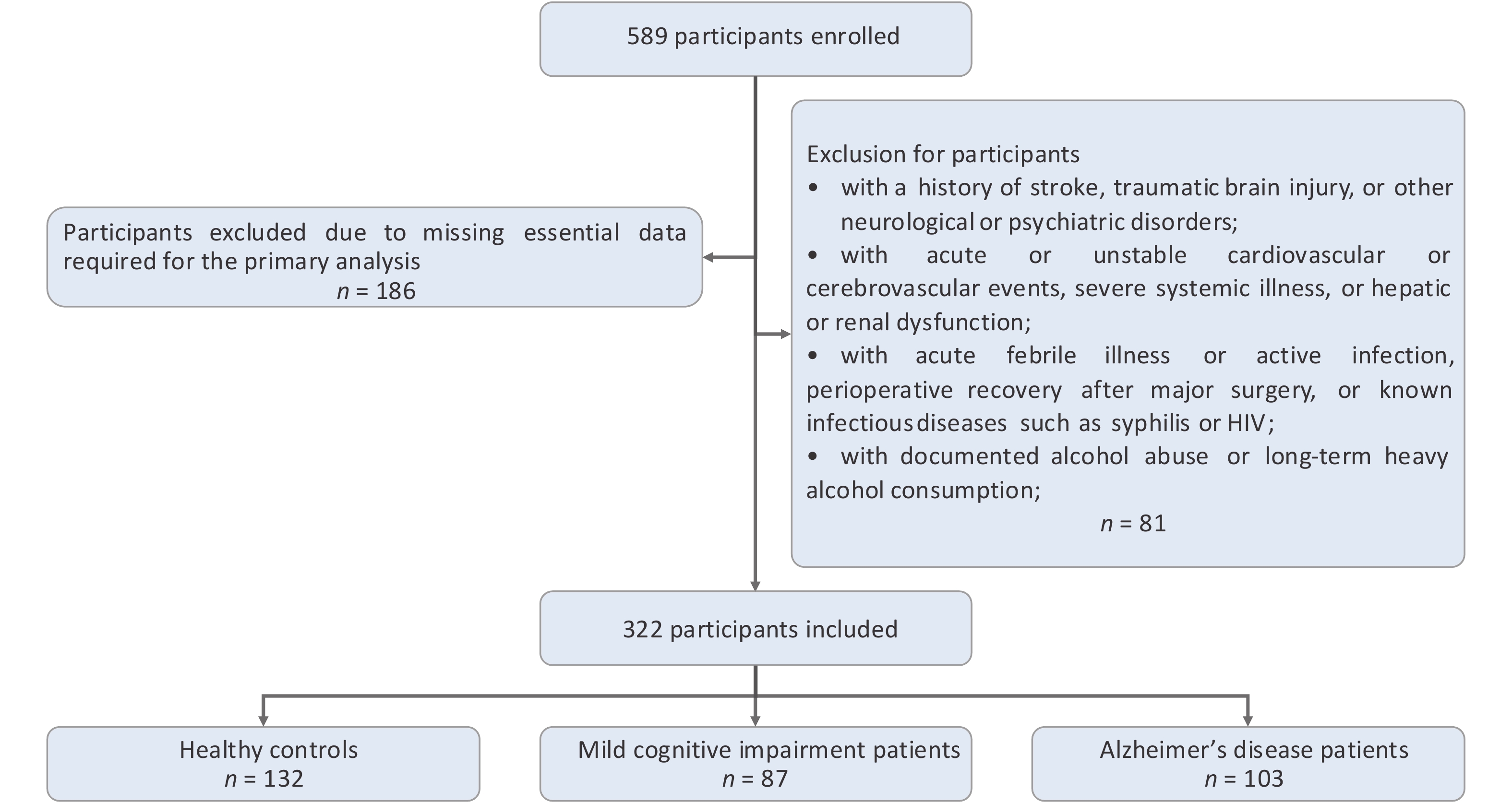
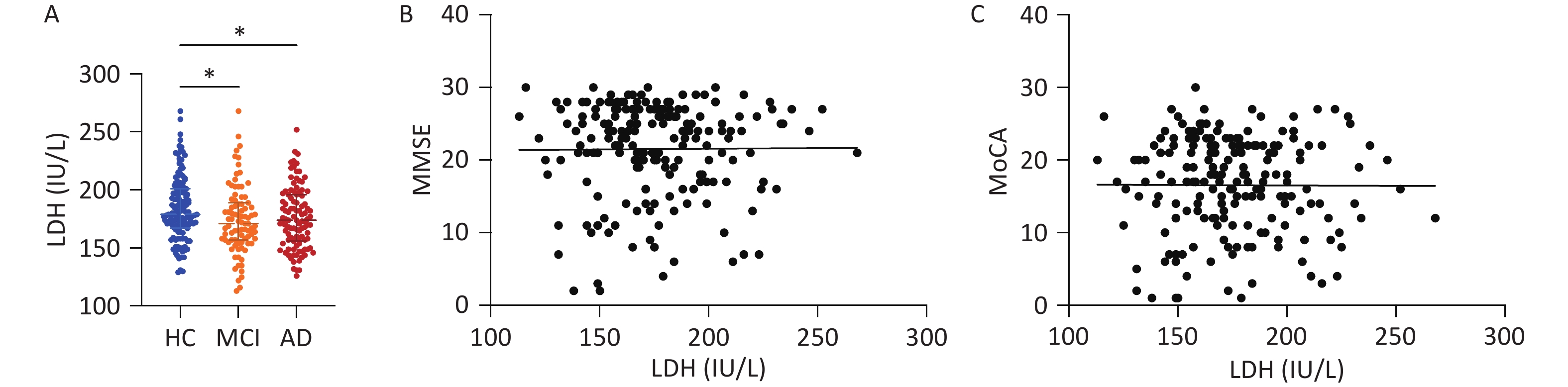
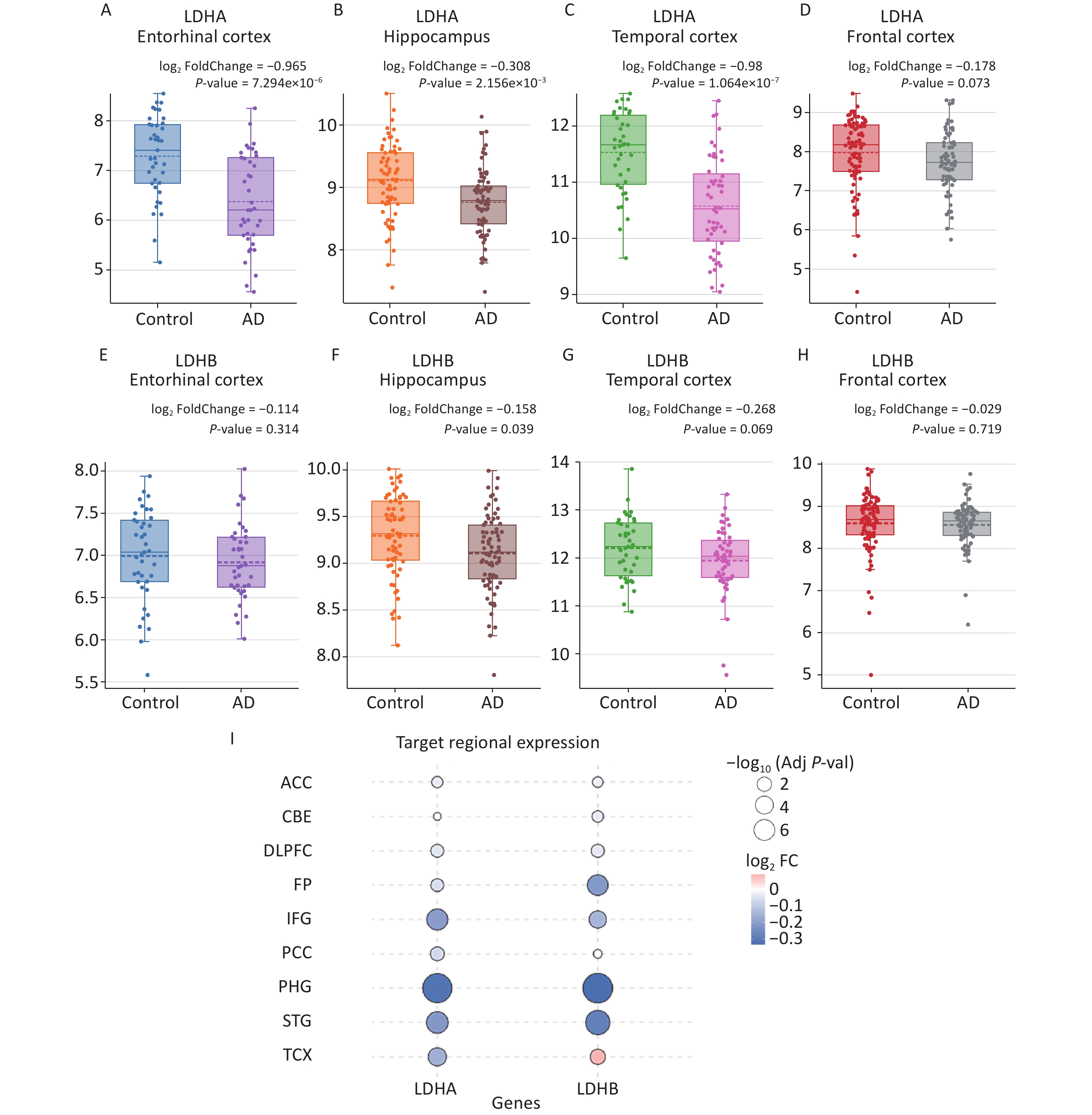
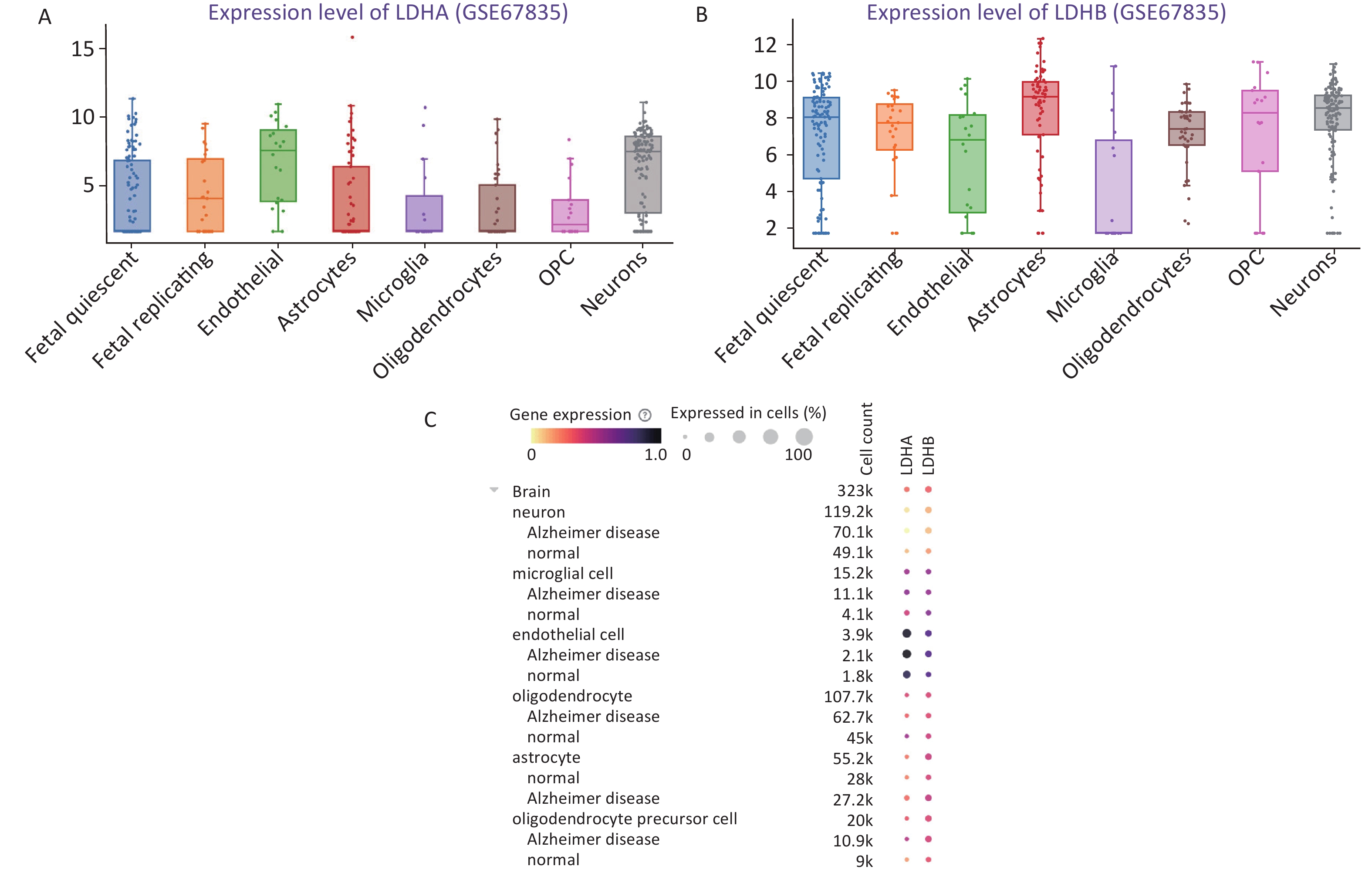
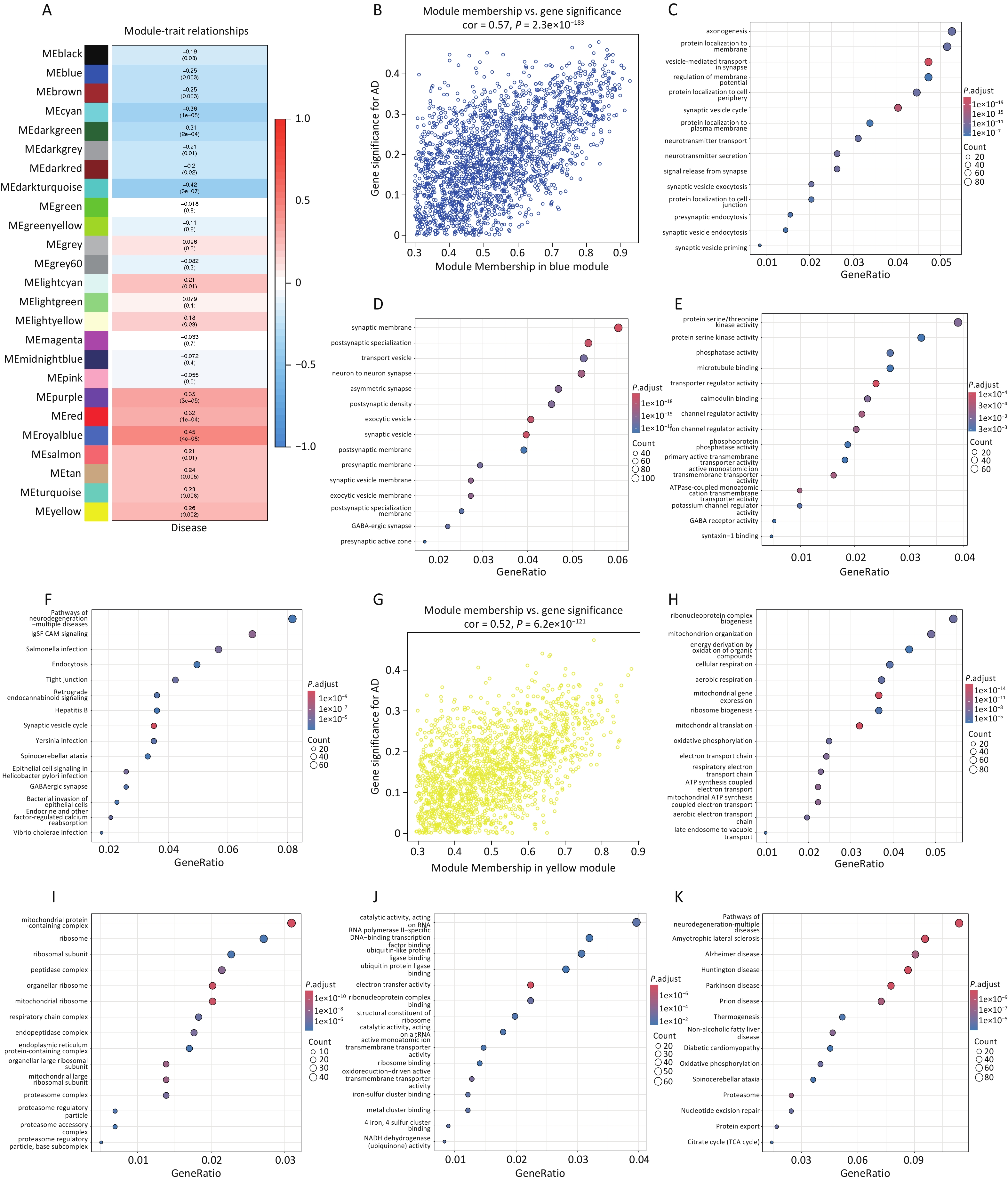
Objective Reduced brain energy metabolism is a key feature of Alzheimer's disease (AD); however, lactate dehydrogenase (LDH)-related metabolic changes in AD are not fully understood. This study aimed to evaluate serum LDH activity in patients with mild cognitive impairment (MCI) and AD. We used public transcriptomic datasets to explore the features of LDHA and LDHB across brain regions, cell types, and co-expression networks.Method In a retrospective clinical cohort of 132 healthy controls (HC), 87 patients with MCI, and 103 patients with AD, we compared serum LDH activity after adjusting for major clinical covariates. Next, we used public transcriptomic datasets [AlzData, Agora, CELLxGENE, and genotype-tissue expression (GTEx)] to evaluate regional and cell-type-specific expression patterns of LDHA and LDHB. We also characterized LDH-associated functional networks using GTEx normal brain data for baseline co-expression analysis and AD-related weighted gene co-expression network analysis (WGCNA).Results Clinical cohort analysis showed that serum LDH activity was significantly decreased in patients with MCI and AD. Serum LDH activity did not significantly correlate with mini-mental state examination (MMSE) or montreal cognitive assessment (MoCA) scores. Brain transcriptomic analysis revealed that LDHA expression was significantly downregulated in AD-related regions (entorhinal cortex, hippocampus, and temporal cortex), whereas LDHB showed a downward trend in several AD-related regions. Both genes were detectable across multiple brain cell types with relatively prominent expression in neurons. Functional analysis showed that, under normal conditions, LDHA-correlated genes were broadly involved in glycolysis, vesicle trafficking, autophagy, and proteostasis, whereas LDHB-correlated genes were highly concentrated in mitochondrial oxidative phosphorylation and the citric acid (TCA) cycle. AD-related WGCNA showed region-dependent organization of LDHA- and LDHB-containing modules, with repeated enrichment in synaptic vesicle-related processes, mitochondrial respiration, autophagy, and proteostasis-related pathways.Conclusion This study provides clinical and transcriptomic evidence of LDH-related metabolic alterations in patients with AD. Reduced serum LDH activity in MCI and AD, together with decreased LDHA/LDHB expression in AD-related brain regions and region-dependent LDH-associated co-expression networks, supports a potential link between LDH-related metabolism and mitochondrial energy metabolism, synaptic function, and proteostasis in AD. These findings should be interpreted as exploratory, and require validation through paired prospective and mechanistic studies.
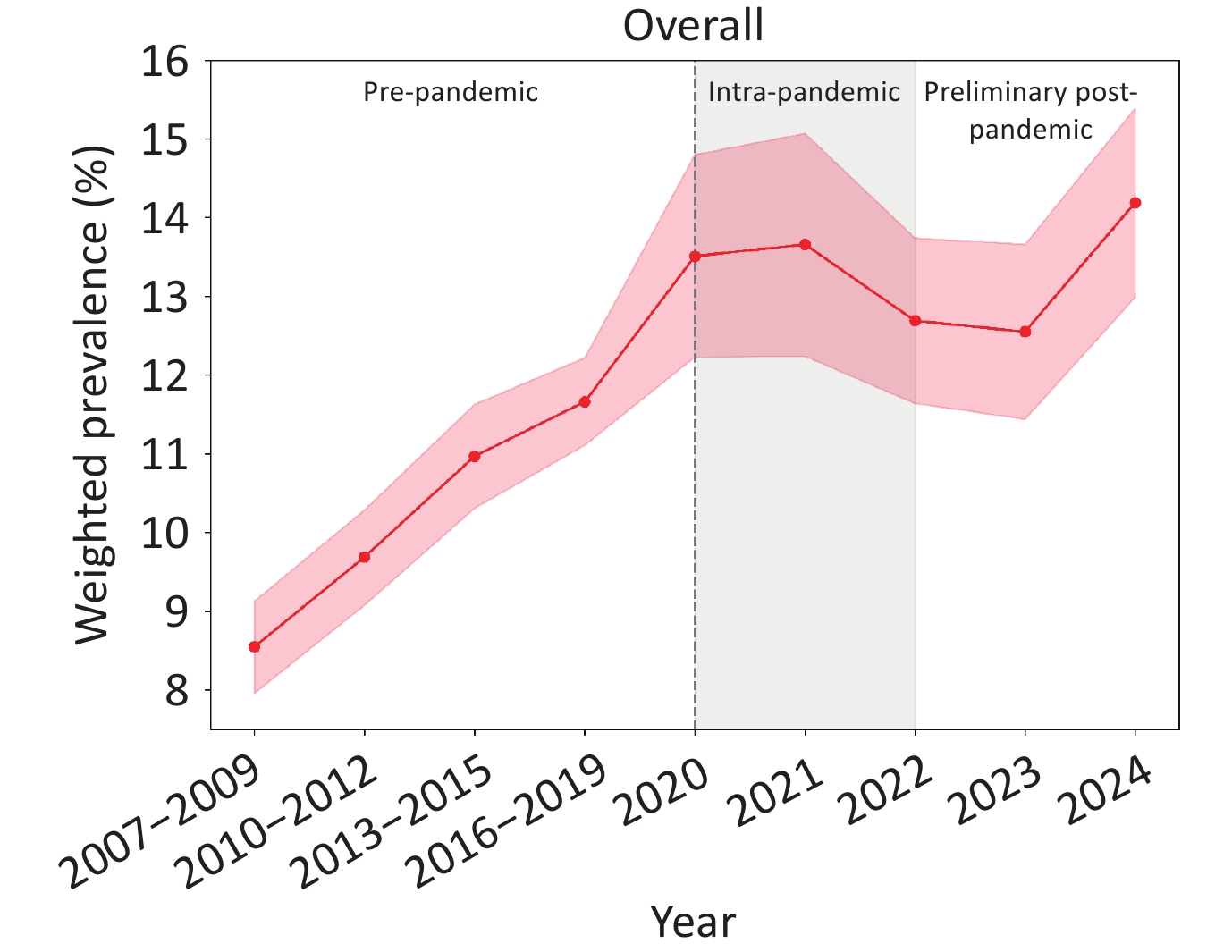
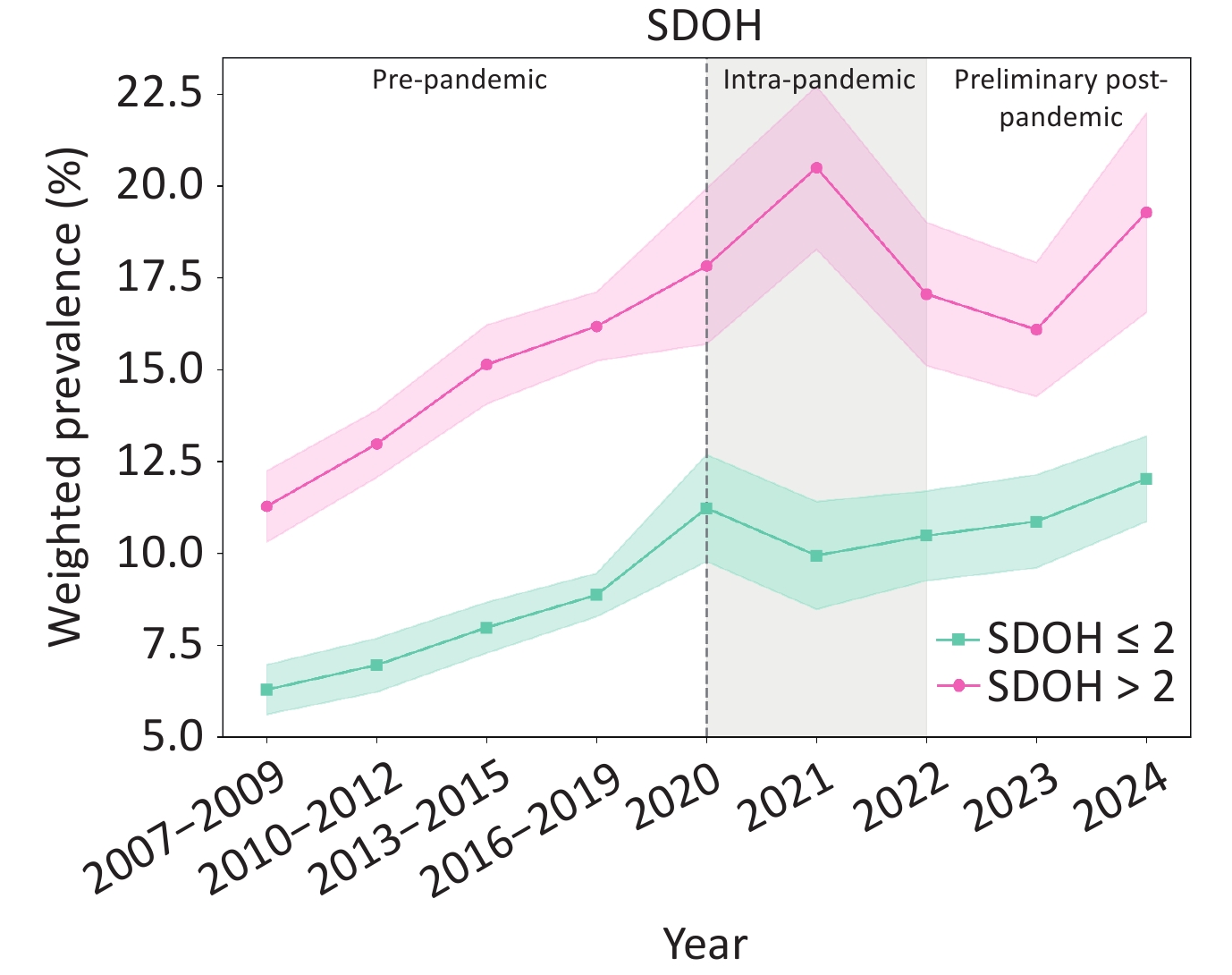
Background Type 2 diabetes mellitus (T2DM) is linked to social determinants of health (SDOH); however, long-term trends in its prevalence and the association with SDOH remain unclear. Thus, we investigated national trends in T2DM prevalence and the cumulative burden of SDOH.Methods We analyzed data from the Korea National Health and Nutrition Examination Survey (2007–2024), including adults aged ≥ 19 years. T2DM was defined by physician diagnosis, use of anti-diabetic medication, fasting glucose ≥ 126 mg/dL, or hemoglobin A1c ≥ 6.5%. SDOH was assessed across seven key domains—education level, marital status, household income, food security, type of health insurance, employment status, and home ownership— and classified into low- (≤ 2) and high-burden (> 2) groups; the cumulative score was also analyzed as ordinal and continuous variables to evaluate dose-response relationships. Trends were examined using weighted linear regression, and adjusted odds ratios (aORs) were estimated using multivariable logistic regression across pre- (2007–2019), intra- (2020–2022), and preliminary post-pandemic (2023–2024) periods. Age-standardized estimates and sensitivity analyses, including inverse probability weighting and mediation analysis, were performed to ensure robustness.Results A total of 85,695 adults (males; 35,392, 41.30%) were included. The prevalence of T2DM showed increasing trend (8.55%, 95% CI: 7.96% to 9.13% in 2007–2009; 11.66%, 95% CI: 11.11% to 12.22% in 2016–2019), and a surge was observed at the onset of the pandemic in 2020, peaking at 13.66% (95% CI: 12.24% to 15.07%) in 2021 before rebounding to 14.19% (12.99%–15.39%) in 2024. High cumulative SDOH was associated with T2DM (aOR = 1.33, 95% CI: 1.25 to 1.41), showing a clear dose-response relationship where the risk progressively escalated with higher SDOH scores (score ≥ 6: 1.79 [1.58 to 2.04]). Among individual components, lack of private health insurance showed the strongest association (aOR = 1.30, 95% CI: 1.22 to 1.39). Other major risk factors included established demographic and clinical predictors such as older age, male, and obesity.Conclusions T2DM prevalence has increased over time, and a high cumulative burden of SDOH remains consistently associated with this prevalence, highlighting the need for equity-focused public health strategies.
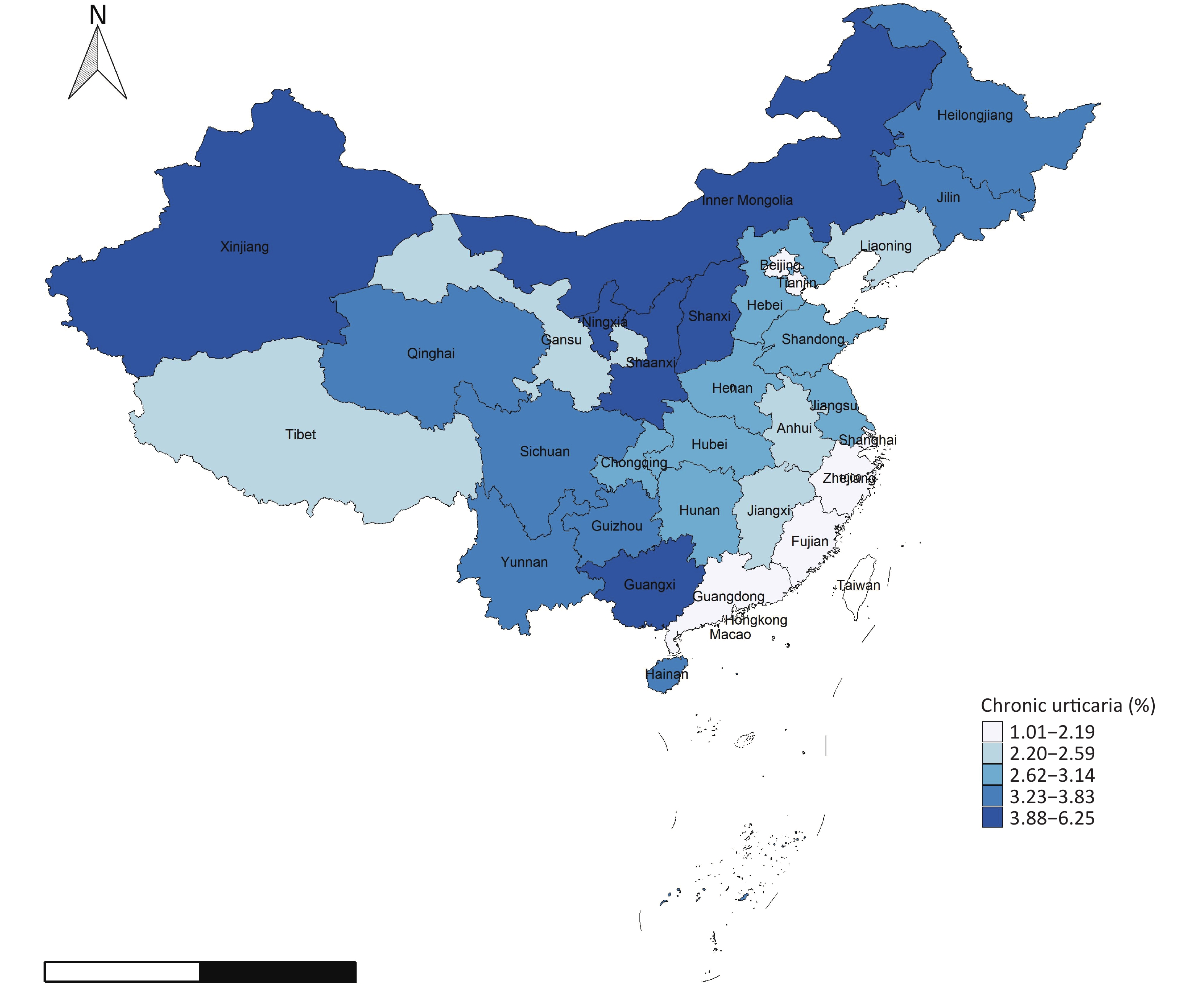
Objective To investigate the epidemiology and risk factors for chronic urticaria (CU) in Chinese adults with cardiometabolic diseases (CMDs), and its effect on CMD recognition and management.Methods We conducted a nationwide cross-sectional analysis using data from the 2018–2019 China Chronic Disease and Risk Factor Surveillance, which included 118,036 adults with CMDs. Weighted CU prevalence and CMD awareness, treatment, and control rates (stratified by CU status) were estimated using a complex survey design, whereas risk factors for CU were identified using multivariable logistic regression.Results The weighted CU prevalence among patients with CMDs was 2.90%, peaking at 3.94% in 60–69-year-old individuals, and was higher in females (3.41%) than in males (2.56%), especially in rural areas. Key risk factors included current smoking (odds ratio [OR] 1.17, 95% confidence interval [CI]: 1.06–1.29) and abnormal sleep duration (< 5 h: OR 1.79, 95% CI: 1.61–1.99; > 10 h: OR 1.39, 95% CI: 1.19–1.61). Patients with CU showed stronger association with improved CMD awareness (hypertension: 50.71% vs. 40.27%; diabetes: 47.14% vs. 36.21%; dyslipidemia: 30.71% vs. 17.12%) and treatment rates (hypertension: 41.37% vs. 34.22%; diabetes: 41.31% vs. 32.52%; dyslipidemia: 18.29% vs. 9.94%) than non-CU patients but with comparable control rates.Conclusion CU is prevalent in patients with CMD and associated with distinct demographic and lifestyle risk factors. Although CU facilitates earlier detection of CMD, it does not improve disease control, indicating the need for integrated dermatology-cardiometabolic care.
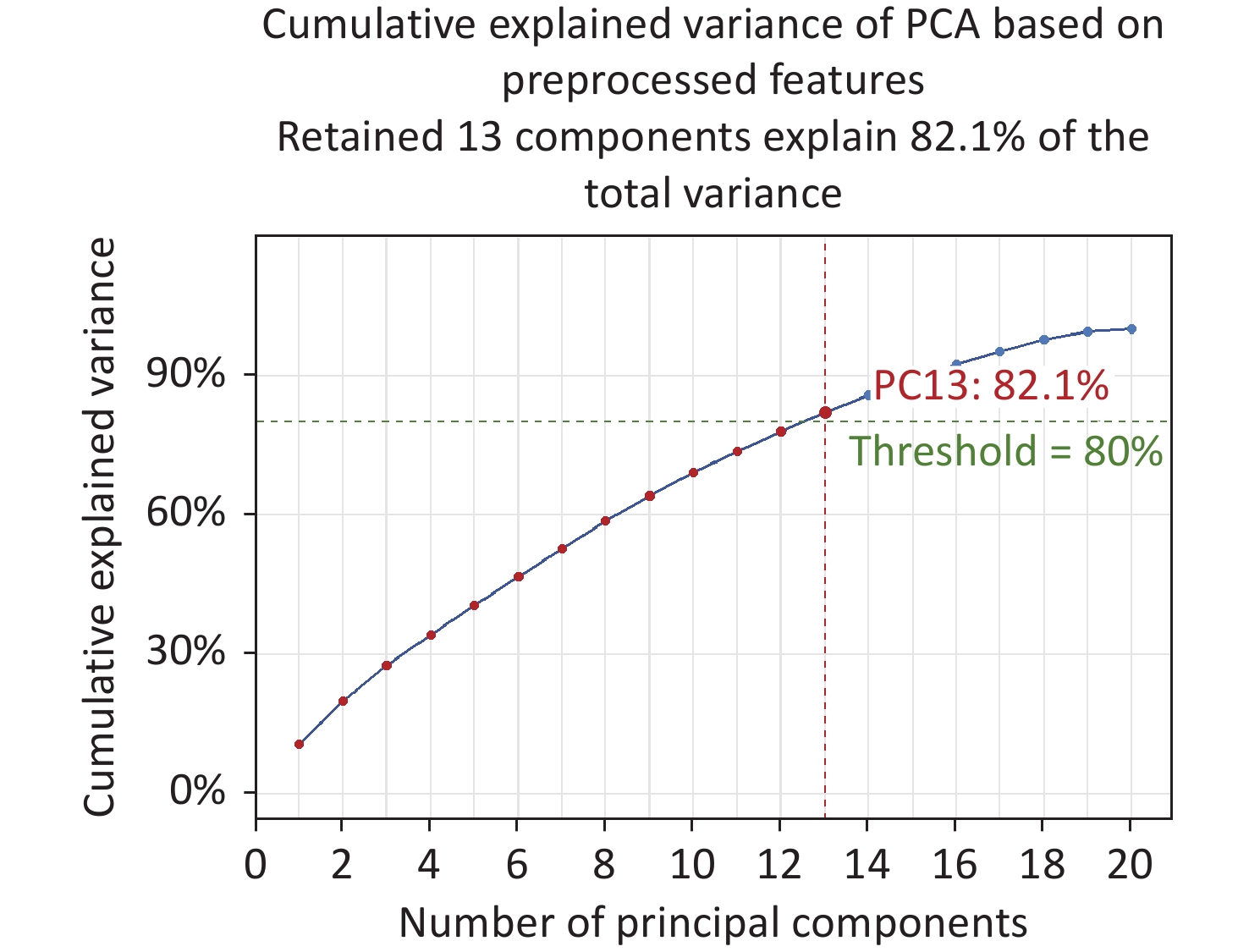
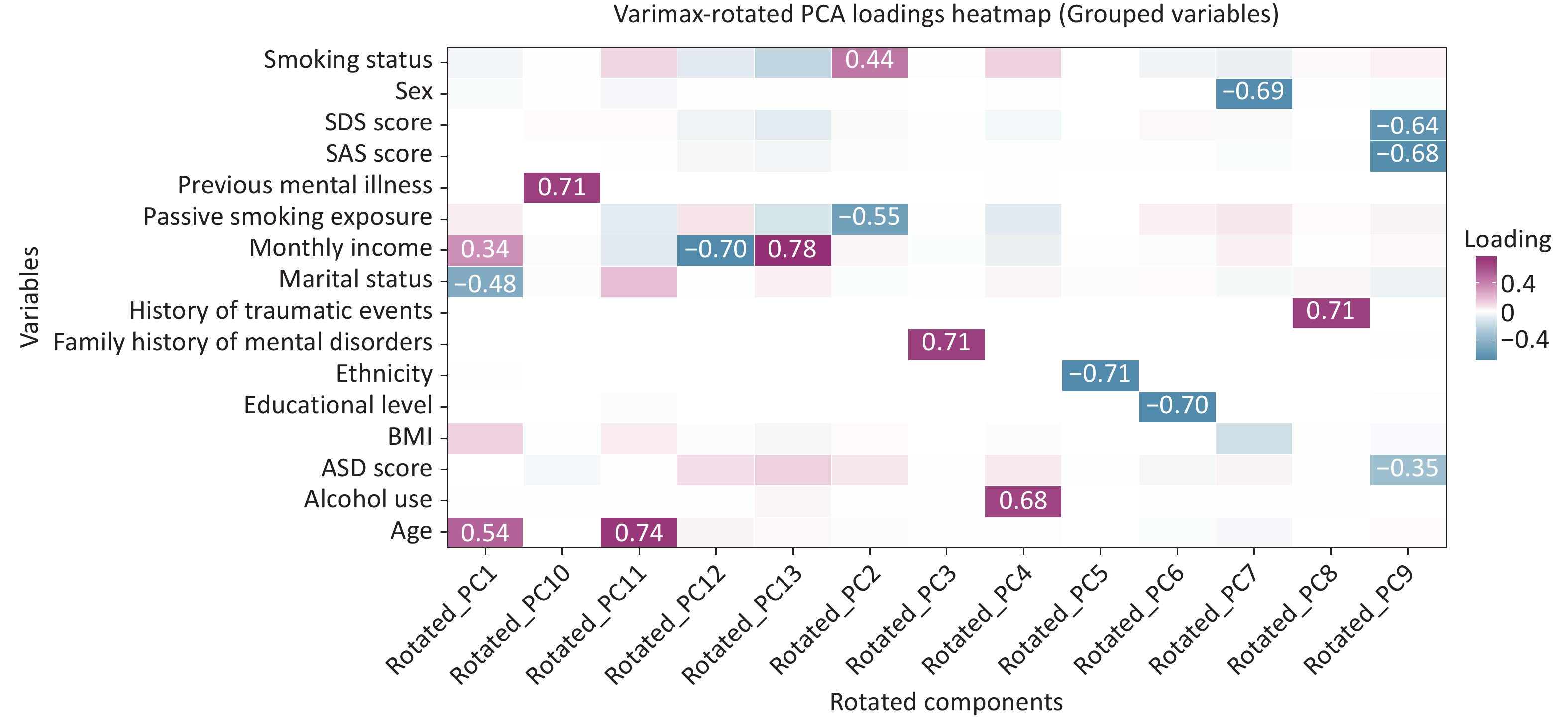
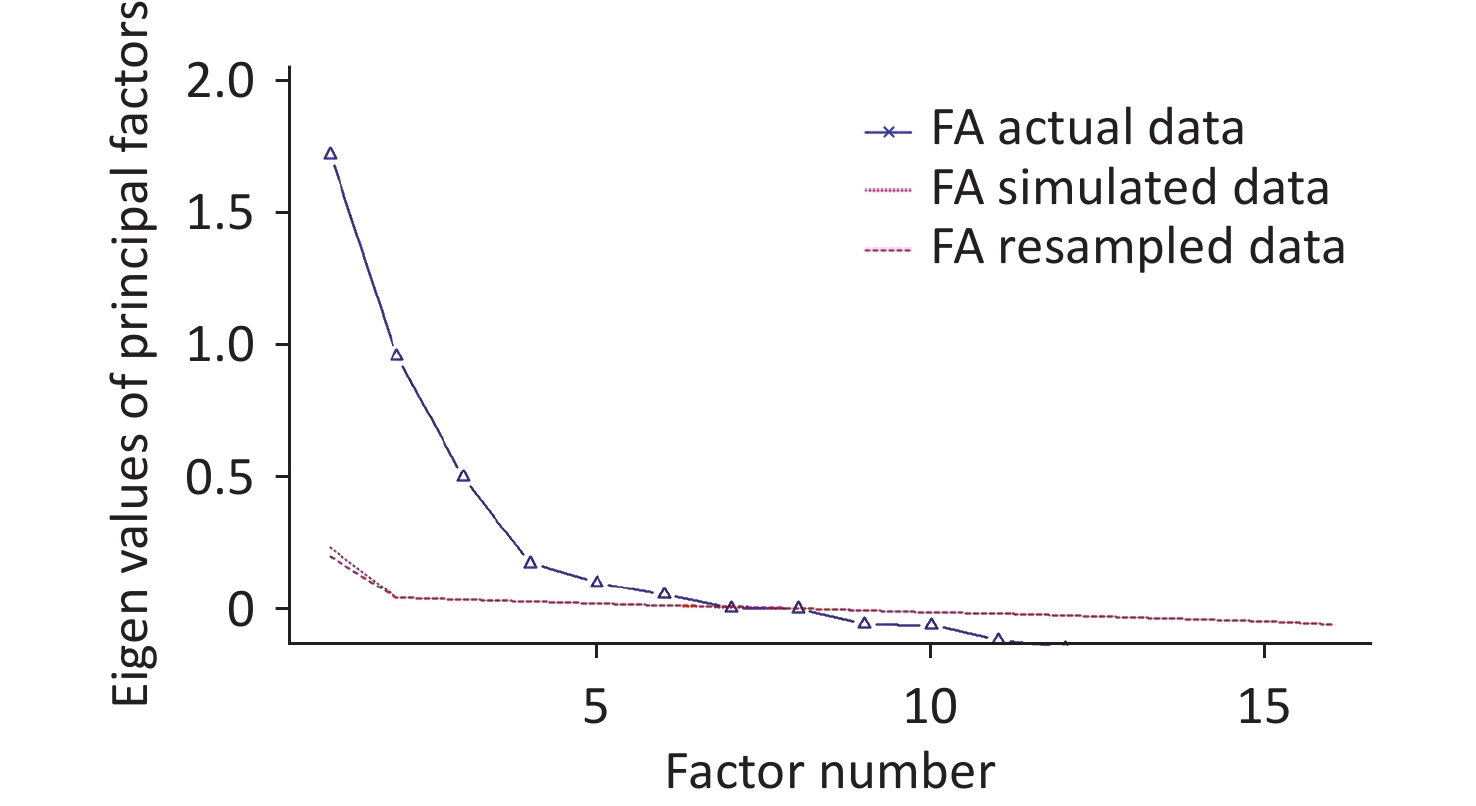
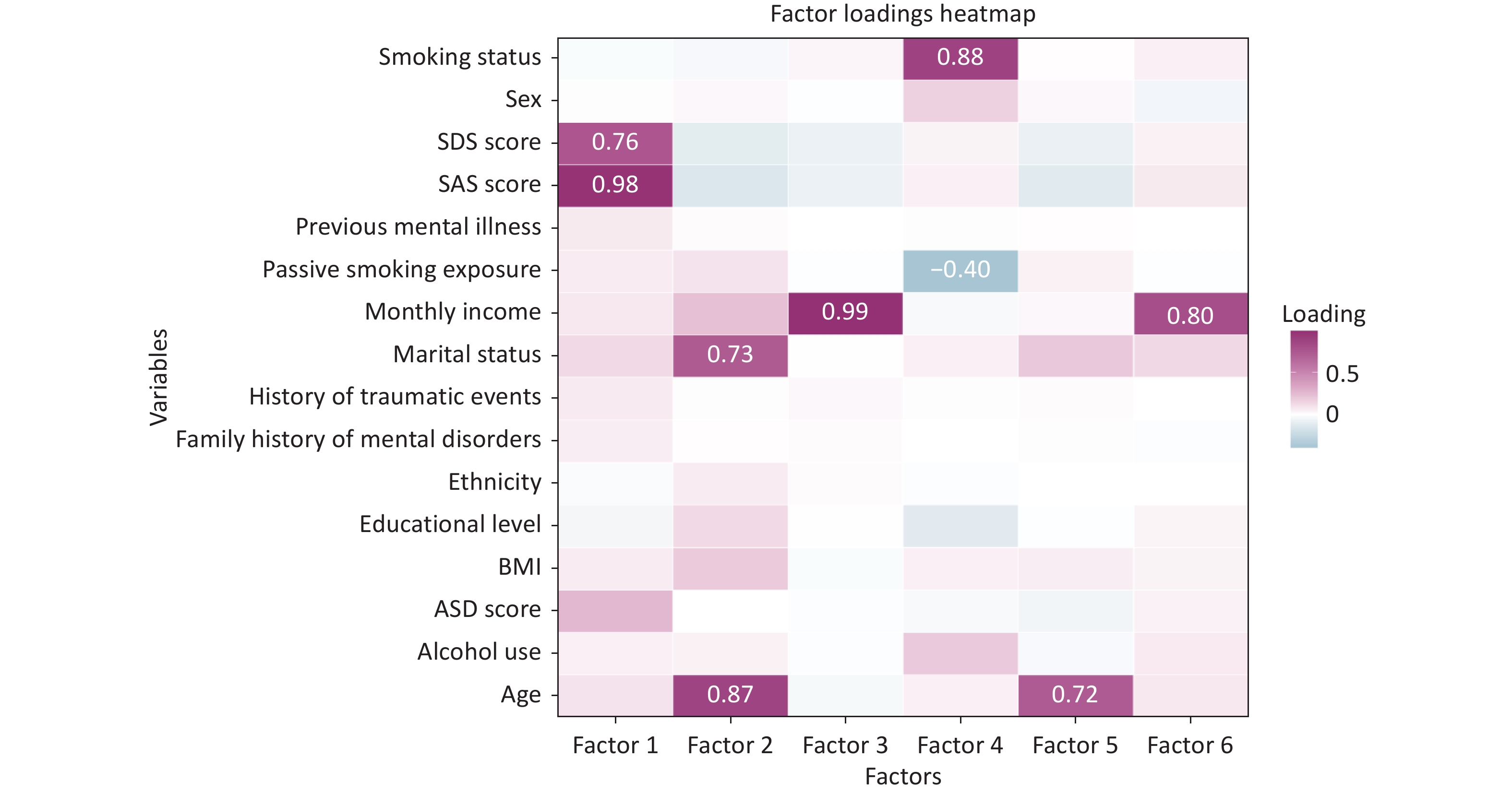
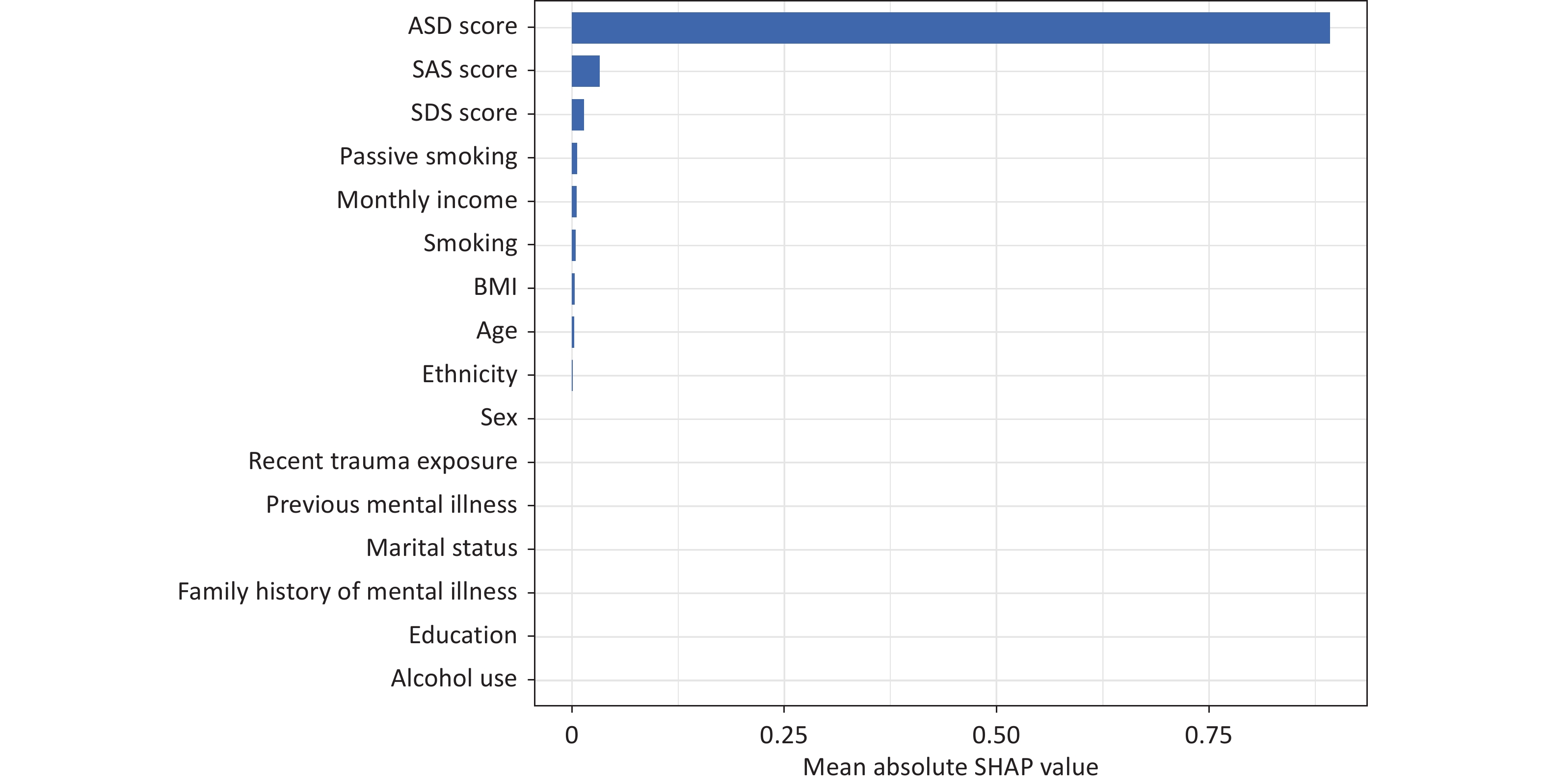
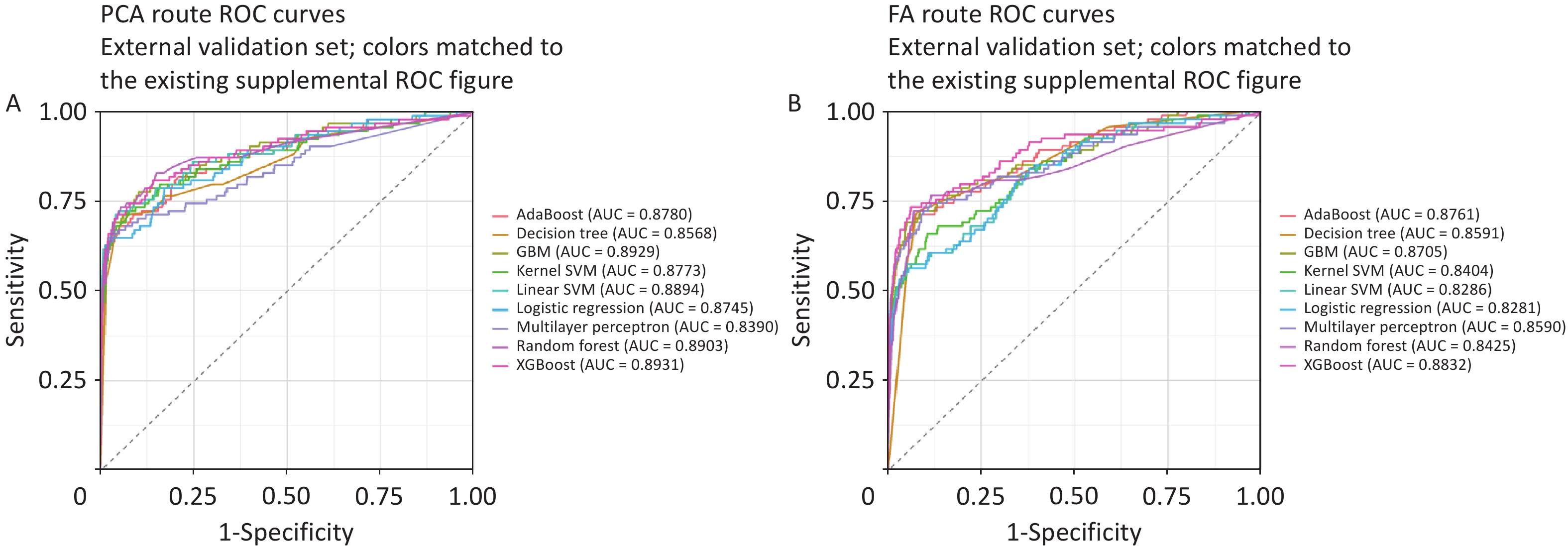
Objective Rescue workers are frequently exposed to traumatic events and are at a high risk of developing post-traumatic stress disorder (PTSD). We developed and compared machine-learning models for PTSD risk and assessed their generalizability.Methods This multicenter cross-sectional study included 13,462 rescue workers from 13 units for model development/internal validation and 8,757 workers from two additional units for external validation. Probable PTSD was defined as a PTSD Checklist for DSM-5 score ≥ 33. Sixteen variables were reduced using principal component analysis (PCA) or exploratory factor analysis (FA). Nine machine-learning algorithms were trained using a stratified 70:30 split, 5-fold cross-validation, and synthetic minority oversampling.Results Among PCA-based models, extreme gradient boosting (XGBoost) achieved the highest external area under the curve (AUC, 0.8931), whereas random forest showed the highest sensitivity. Among the factor-analysis-based models, XGBoost achieved the highest external AUC (0.8832), whereas random forest provided a sensitivity-oriented alternative. Original-variable SHapley Additive exPlanations (SHAP) analysis identified acute stress disorder (ASD), self-rating depression scale (SDS), self-rating anxiety scale (SAS), passive smoking, monthly family income, smoking status, body mass index (BMI), and age as the main contributors.Conclusion Dimensionality-reduced machine-learning models showed measurable discriminatory ability for PTSD risk stratification, and model choice should reflect screening priorities.
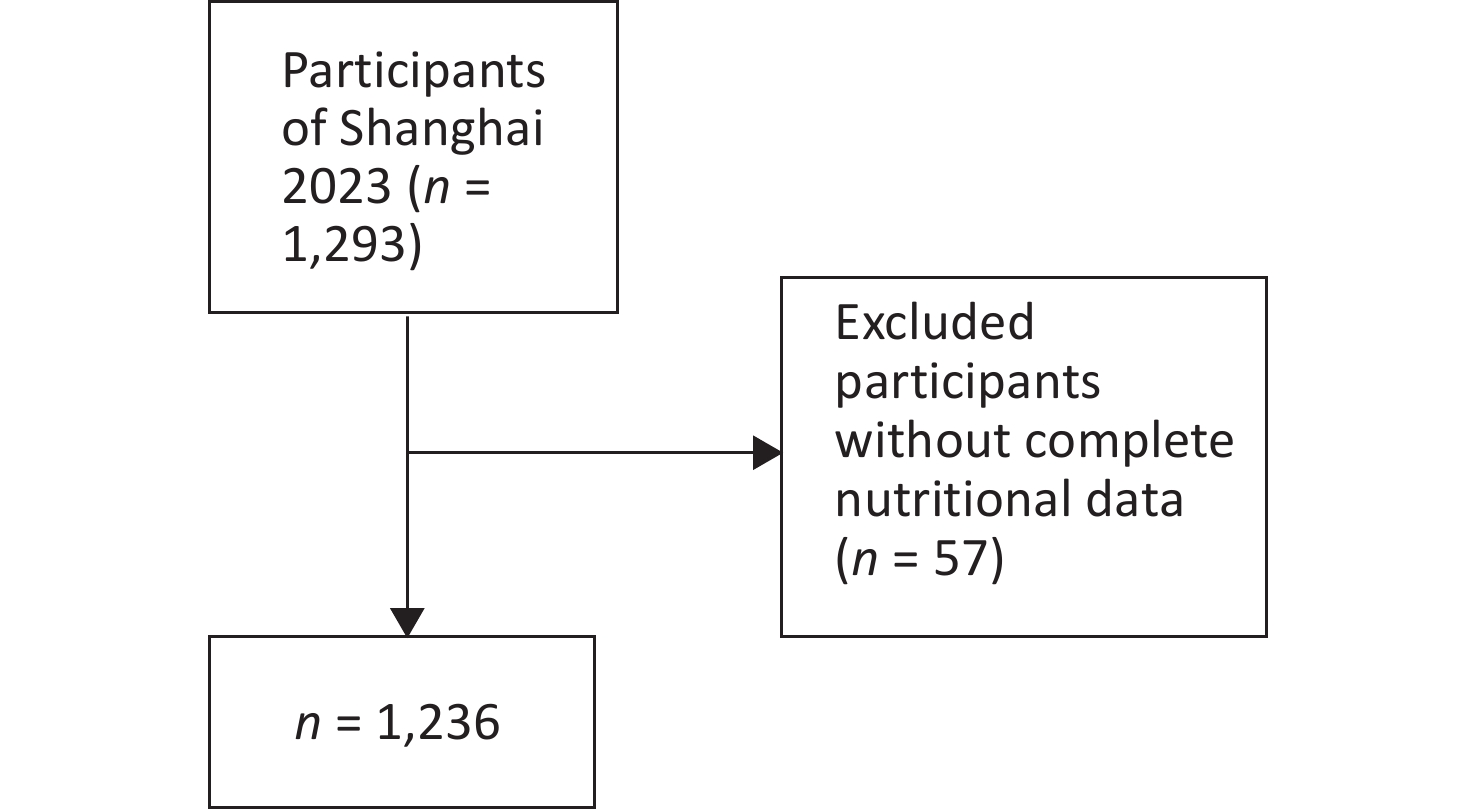
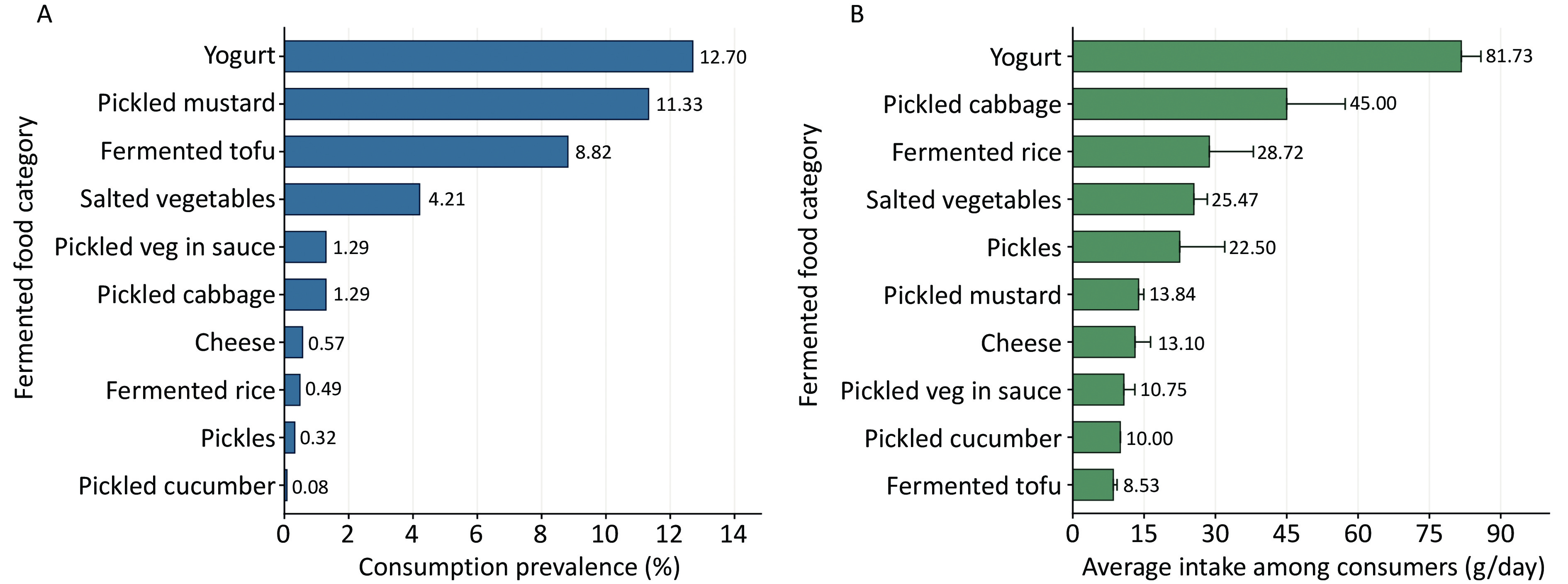
Objective This study aimed to investigate the relationship between the dietary intake of live microbes and sarcopenia in adults living in Shanghai.Methods Data were collected from 1,236 participants aged 50 years or more from the Shanghai Diet and Health Surveillance (SDHS). Dietary data were assessed using a standardized questionnaire. The participants were categorized into the low-, medium-, and high-dietary live microbial groups. Sarcopenia was defined according to the European Working Group on Sarcopenia in Older People (EWGSOP2019).Results Yogurt and traditional Chinese fermented foods (pickled mustard and fermented tofu) were the primary dietary sources of live microbes in this cohort. Overall, participants without sarcopenia consumed foods with higher levels of live microbes than people with sarcopenia (P < 0.001). Following stepwise adjustment for confounders, we found that individuals consuming a higher abundance of live dietary microbes were less likely to develop sarcopenia than individuals consuming a lower abundance of live dietary microbes. In the crude model, the odds ratio and 95% confidence interval for high live microbe intake were 0.46 (0.27, 0.76) (P < 0.001) and the adjusted odds ratio (95% confidence interval) was 0.41 (0.22, 0.77) (P = 0.007). Subgroup analyses identified no significant interaction effects for sex, age, diabetes, fatty liver disease, or overweight/obesity (P > 0.05).Conclusion A high dietary intake of live microbes may be associated with a lower risk of sarcopenia in the Chinese population.
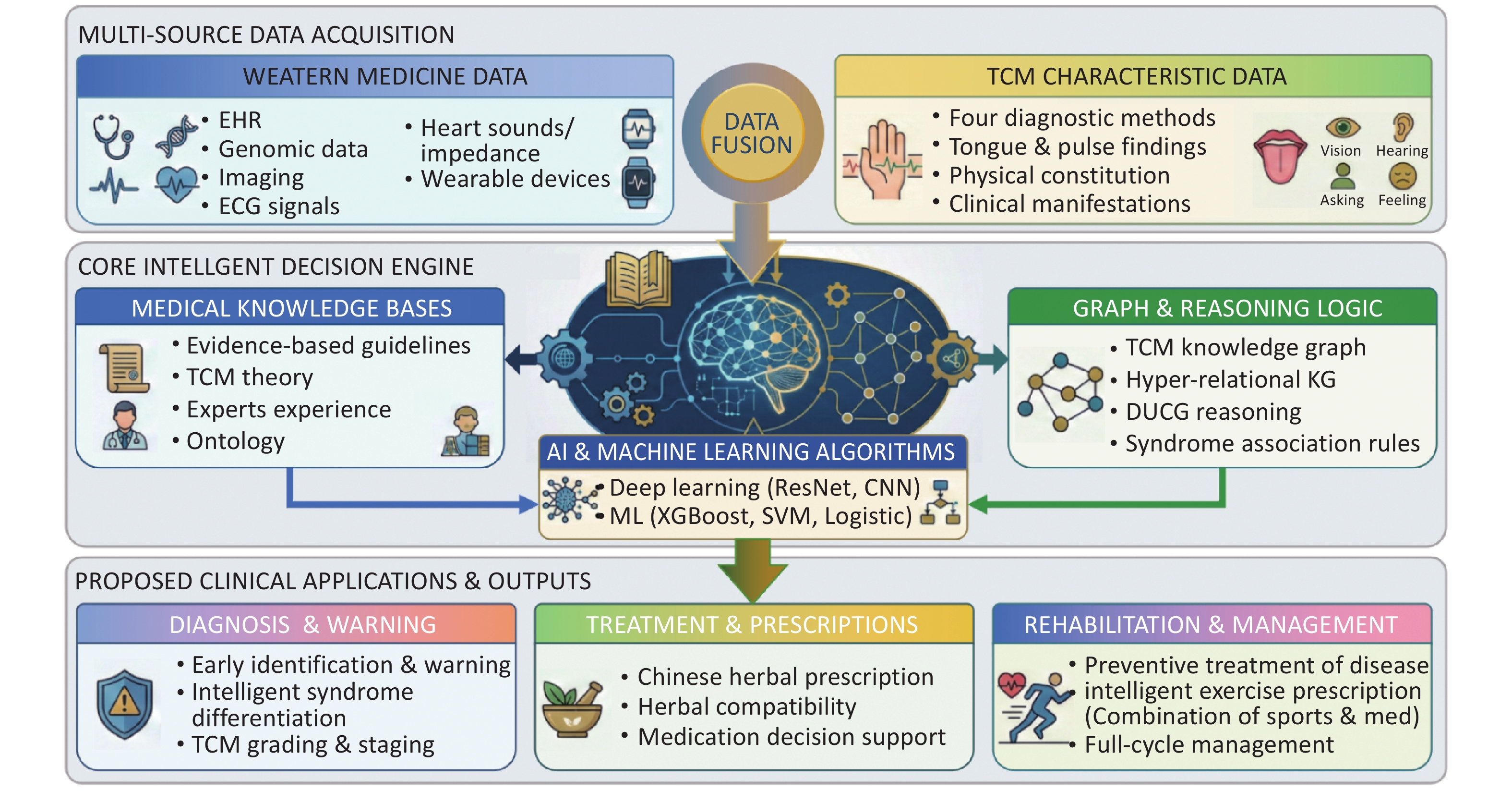
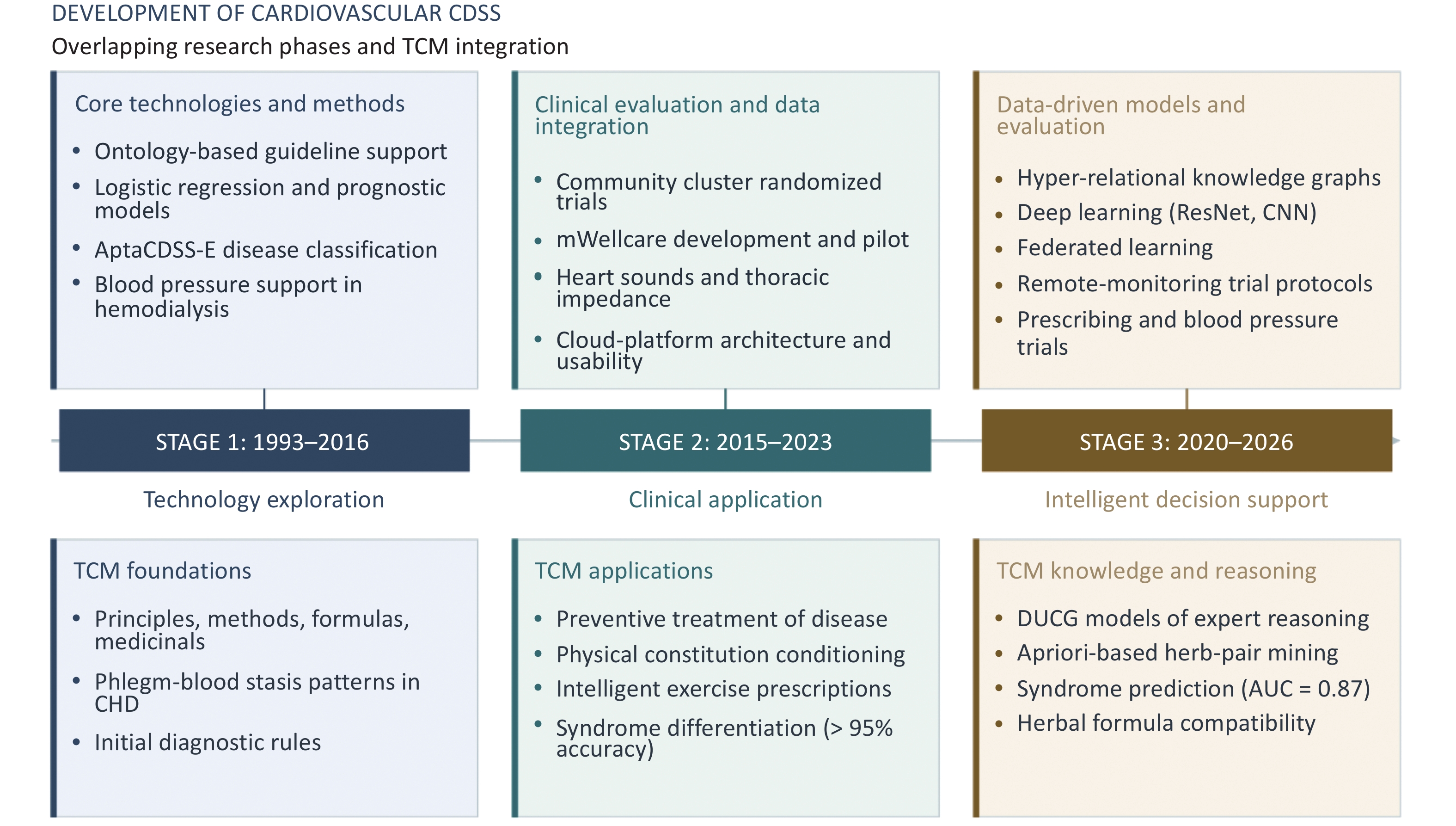
Cardiovascular diseases (CVDs) are the leading causes of death worldwide, have a growing disease burden, and present multiple challenges for precision management. Clinical Decision Support Systems (CDSS) are tools that leverage information technology to assist clinicians in diagnosis and treatment decisions and provide references for clinical decision-making by offering personalized suggestions, prompts, or reminders. By integrating multisource data, evidence-based guidelines, and artificial intelligence algorithms, CDSS can support diagnosis, prescribing, and comorbidity management. Studies in hypertension have reported improvements in prescribing and blood pressure, while effects on major cardiovascular events and mortality require further evaluation. Notably, with the continuous development of informatization and digitalization of Traditional Chinese Medicine (TCM), traditional Chinese medicine clinical decision support systems (TCM-CDSS), as an innovative achievement integrating traditional medicine with modern information technology, have shown promise in supporting the prevention and treatment of CVDs. TCM-CDSS achieves an intelligent diagnosis and treatment closed loop from "syndrome differentiation" to "formula recommendation" by integrating TCM theory of "principles, methods, formulas, and medicinals,” renowned TCM experts' clinical experience, TCM knowledge graphs, and intelligent syndrome differentiation algorithms, providing a new paradigm for individualized diagnosis and treatment of CVDs such as hypertension and coronary heart disease (CHD). However, reviews addressing the integration of Chinese and Western medicine in cardiovascular CDSS remain limited. To address this knowledge gap, this review adopts a conceptual framework of "dual-track parallel and integrated innovation" to systematically elaborate on the current application status of CDSS across major CVDs. We critically stratified current clinical evidence tiers, highlighting the widespread reliance on retrospective studies and the urgent need for large-scale randomized controlled trials (RCTs). Furthermore, we propose that the future paradigm lies in mechanism-data, dual-driven hybrid architectures that quantitatively anchor Western physiological indicators to TCM macrosyndromes. Finally, we provide targeted solutions for the core technical bottlenecks, including Electronic Health Record workflow integration, cross-system comorbidity management, and grassroots application feasibility. These results provide an important reference for the precise treatment of CVDs and a basis for developing new paradigms for CVD prevention and treatment.























 Quick Links