



-
Sepsis is defined as life-threatening organ dysfunction caused by a dysregulated host response to infection[1]. With an estimated 48.9 million incident cases and 11.0 million deaths in 195 countries and territories in 2017, sepsis has accounted for nearly one-fifth of global mortality[2]. Current management of sepsis relies primarily on symptomatic and supportive treatment, yet the disease still carries a fatality rate in excess of 30%[3]. Consequently, sepsis has become a major contributor to global health loss and imposes a substantial economic burden on healthcare systems. Investigating modifiable risk factors and pathogenic mechanisms will facilitate the prevention and treatment of sepsis and help reduce its mortality burden.
In recent years, public concern regarding the adverse health effects of air pollution has increased, and numerous studies have shown that air pollution may increase the risk of cardiovascular and respiratory diseases[4]; however, research on the impact of air pollution on sepsis risk remains limited. In fact, air pollution may directly increase the risk of sepsis by inducing systemic inflammatory responses and oxidative stress and may also indirectly increase the risk by suppressing pulmonary innate immune responses and impairing bacterial clearance. However, previous studies on the impact of air pollution on sepsis have yielded inconsistent conclusions. For example, one study found that short-term exposure to particulate matter with aerodynamic diameter ≤ 10 μm (PM10), carbon monoxide (CO), nitrogen dioxide (NO2), ozone (O3), and sulfur dioxide (SO2) was associated with an increased risk of hospitalization for sepsis-related pneumonia[5]. In contrast, another study reported no significant association of short-term exposure to PM2.5, PM10, CO, and SO2 with the risk of sepsis hospitalization[6]. In addition, research on the nonlinear association between air pollution and sepsis risk, mixed exposure effects, and the excess fraction and number of sepsis deaths associated with air pollution is lacking. Therefore, this study comprehensively analyzed the effects of individual and mixed exposure to PM1, PM2.5, PM10, CO, NO2, O3, and SO2 on sepsis mortality and explored the potential biological mechanisms underlying the epidemiological associations, with the goal of providing scientific evidence for air pollution control and for the prevention and treatment of sepsis.
The subjects in this study were individuals who died of non-accidental causes in Jiangsu Province, China, between January 1, 2014, and December 31, 2021 (total of 4,276,994 cases). The data were obtained from the Cause-of-Death Surveillance System of the Jiangsu Provincial Center for Disease Control and Prevention, and information on the cause of death, date of death, residential address, sex, age, marital status, and educational level of each individual was collected. Exposure concentrations of air pollutants were obtained from the China High Air Pollutants (CHAP) dataset and matched according to the residential addresses of the study subjects. Daily means were used for PM1, PM2.5, PM10, CO, NO2, and SO2, and maximum 8-h moving averages were used for O3. Data on ambient temperature and relative humidity were obtained from the fifth generation of European ReAnalysis (ERA5)-Land dataset. The underlying cause of death was coded according to the 10th revision of the International Classification of Disease (ICD-10) by trained staff. The primary outcome of this study was sepsis mortality. A death was classified as sepsis-related if any infection-associated code was present in the underlying cause of death; otherwise, it was classified as non-sepsis-related[7]. The detailed ICD-10 codes used to identify sepsis mortality are listed in Supplementary Table S1. This definition assumes that if acute infection was the primary cause of death, the patient would have been considered to have systemic inflammation and thus to have met the Sepsis-1 criteria[7]. The use of this ICD-10 coding algorithm to identify sepsis deaths has been validated in a cross-sectional study[7]. In total, 211,581 subjects in this study died of sepsis.
A two-stage framework applicable to multi-area time-series analysis was used to analyze the linear association between single-pollutant exposure to air pollutants and sepsis-related mortality. In the first stage, a generalized additive model combined with quasi-Poisson regression was employed, and the following covariates were adjusted for in the model with reference to previous literature: (1) long-term trend (natural spline function with 7 degrees of freedom [df] per year), (2) day of the week, (3) season (warm season from March to November of each year, cold season otherwise), (4) temperature at lag 0–3 days (natural spline function with 6 df), and (5) humidity at lag 0–3 days (natural spline function with 3 df)[8]. In the second stage, random-effects meta-analysis was used to pool the effect estimates. This study reports the percentage change and 95% confidence interval (CI) in sepsis mortality associated with an increase of 10 µg/m3 in PM1, PM2.5, PM10, NO2, O3, and SO2 concentrations and an increase of 0.1 mg/m3 in CO concentration. Preliminary analyses were conducted across 15 exposure windows, including single-day lags (lag0–lag7) and cumulative lags (lag01–lag07), and the sensitive exposure window was identified according to the generalized cross-validation (GCV) scores and the magnitudes of effect estimates. A distributed lag nonlinear model (DLNM) was used to examine the nonlinear association between air pollution and sepsis mortality, with natural spline knots placed at the 25th, 50th, and 75th percentiles of pollutant concentrations. Subgroup analyses were performed by distinguishing the source of sepsis (lung or nonlung). In the first stage, a generalized additive model with zero-inflated Poisson regression was employed to avoid model bias resulting from overdispersion caused by the small number of deaths in the subgroups. The quantile g-computation (qgcomp) model was used to estimate sepsis mortality risk per one-quartile increase in mixed air pollutant exposure; because of particle-size overlap (PM1 vs. PM2.5 and PM2.5 vs. PM10), PM1–2.5 and PM2.5–10 were used as substitutes, respectively. Sensitivity analyses included treating county as a random-effect term, excluding extreme values of pollutant concentrations, adjusting for county as a covariate, excluding records after December 31, 2019, and using the raw values of PM2.5 and PM10 for mixed exposure analysis. With reference to the limit values in the World Health Organization (WHO) Air Quality Guideline (AQG) 2021 and GB 3095-2026, respectively, the coefficients from single-pollutant linear associations were used to calculate the excess fraction and number of deaths attributable to air pollution (Supplementary Methods). All statistical analyses were performed using R software, version 4.2.0 (R Development Core Team). A two-sided P-value of less than 0.05 was considered statistically significant (P < 0.05).
To explore the potential biological mechanisms, gene and phenotype data from multiple databases were integrated to construct an AOP framework (Supplementary Figure S1). Genes associated with air pollutants were obtained from the Comparative Toxicogenomics Database (CTD) and GeneCards databases, and genes associated with sepsis were obtained from the CTD, GeneCards, and Online Mendelian Inheritance in Man (OMIM) databases. Phenotype data were obtained from the CTD database. The intersection of air pollution-related genes and sepsis-related genes was taken as the target genes, and Gene Ontology (GO) and Kyoto Encyclopedia of Genes and Genomes (KEGG) enrichment analyses were performed, with pathways showing statistical significance (P < 0.05) selected. The enrichment analysis results were intersected with air pollution- and sepsis-related phenotypes to obtain the target phenotypes. Cytoscape 3.10.4 was used to construct an air pollution-gene-phenotype-sepsis network. By comparing all target genes, performing protein–protein interaction (PPI) and topological analyses, and integrating previous literature reports, the most important gene was identified as the molecular initiating event (MIE) (Supplementary Methods). With reference to the AOP-wiki and PubMed databases, phenotypes related to the MIE were classified as key events (KEs), and their temporal order was established. Finally, an AOP framework linking air pollution to sepsis was constructed. This framework was assessed qualitatively according to the guidelines published by the Organization for Economic Co-operation and Development (OECD).
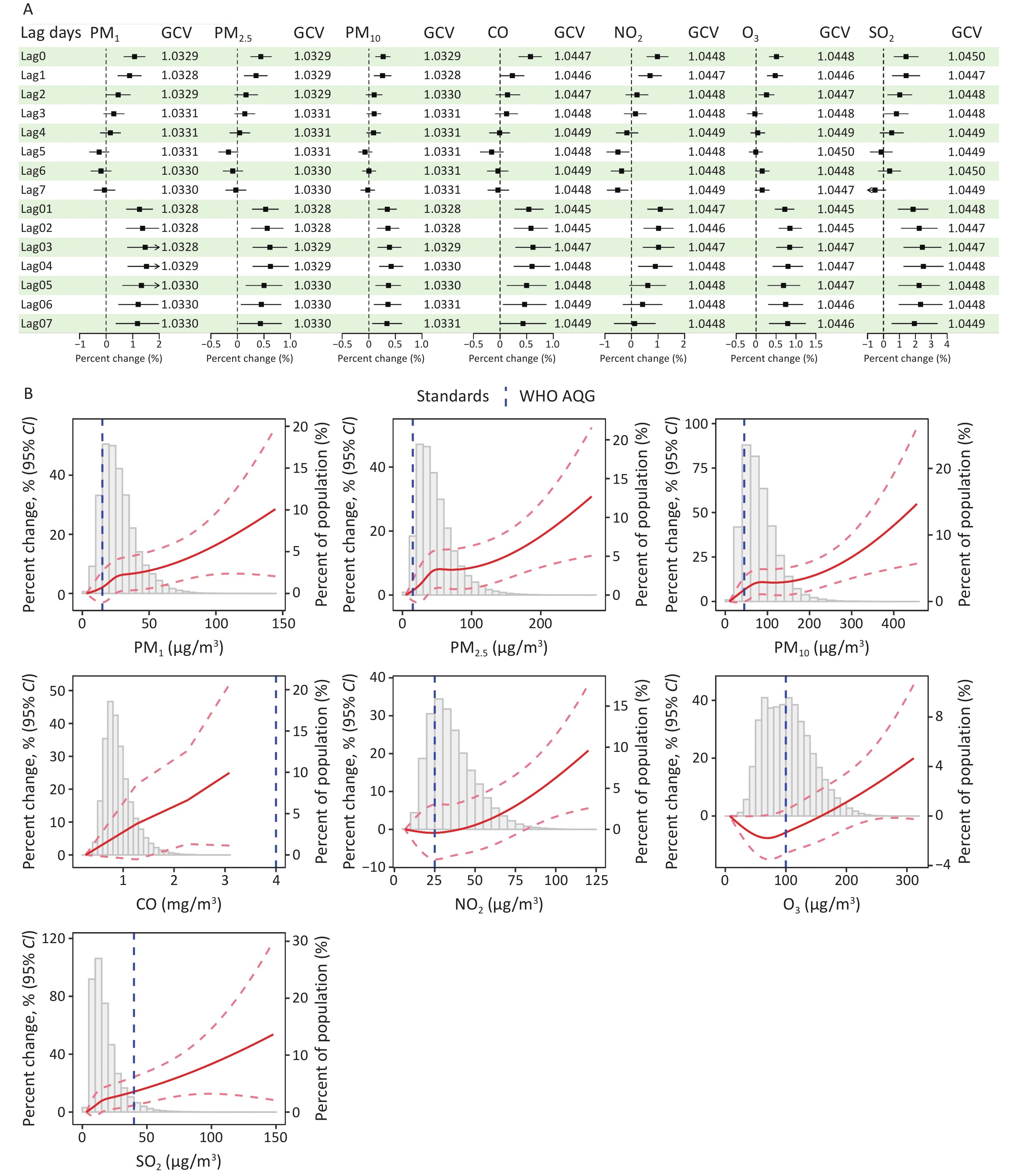
In comparison with non-sepsis deaths, sepsis deaths were characterized by a higher proportion of older individuals (> 75 years), individuals lacking a partner (unmarried, divorced, or widowed), individuals with a low education level (junior school and below), and individuals who died during the cold season, with all differences being statistically significant (all P < 0.001) (Supplementary Table S2). Detailed summary statistics for air pollutants and meteorological factors are presented in Supplementary Table S3. For the seven air pollutants, the 3-day moving average concentration (lag02 days) corresponded to the lowest GCV value (Figure 1A, Supplementary Table S4). For temperature, the 4-day moving average level (lag03 days) had a lower GCV value and a higher effect estimate (Supplementary Table S5). Therefore, the lag02 of pollutants and the lag03 of temperature were used in subsequent analyses. For each 10 μg/m3 increase in PM1, PM2.5, PM10, NO2, O3, and SO2 concentrations and for each 0.1 mg/m3 increase in CO concentration, sepsis mortality increased by 1.37%, 0.56%, 0.36%, 1.02%, 0.85%, 2.24%, and 0.58%, respectively. In this study, SO2 exposure had the greatest effect on sepsis. In addition to its intrinsic toxicity, considering the steep decline in SO2 concentration in China during the study period due to ultra-low emission retrofitting and the concurrent increase in sepsis deaths caused by population aging, residual confounding by long-term trends may also be an important reason for the effect. Similarly, a time-stratified case-crossover study in Guangdong, China, linked short-term exposure to PM1, PM2.5, PM10, and O3 to increased sepsis risk[9], and a bidirectional case-crossover study in Spain found that short-term exposure to PM10, CO, NO2, O3, and SO2 significantly increased sepsis hospitalization risk[5]. However, some studies have not found an association between air pollution and sepsis[6], which is inconsistent with our findings. The reasons for the inconsistency may be related to differences in the sources and components of pollutants, study design, statistical models, and outcome definitions.
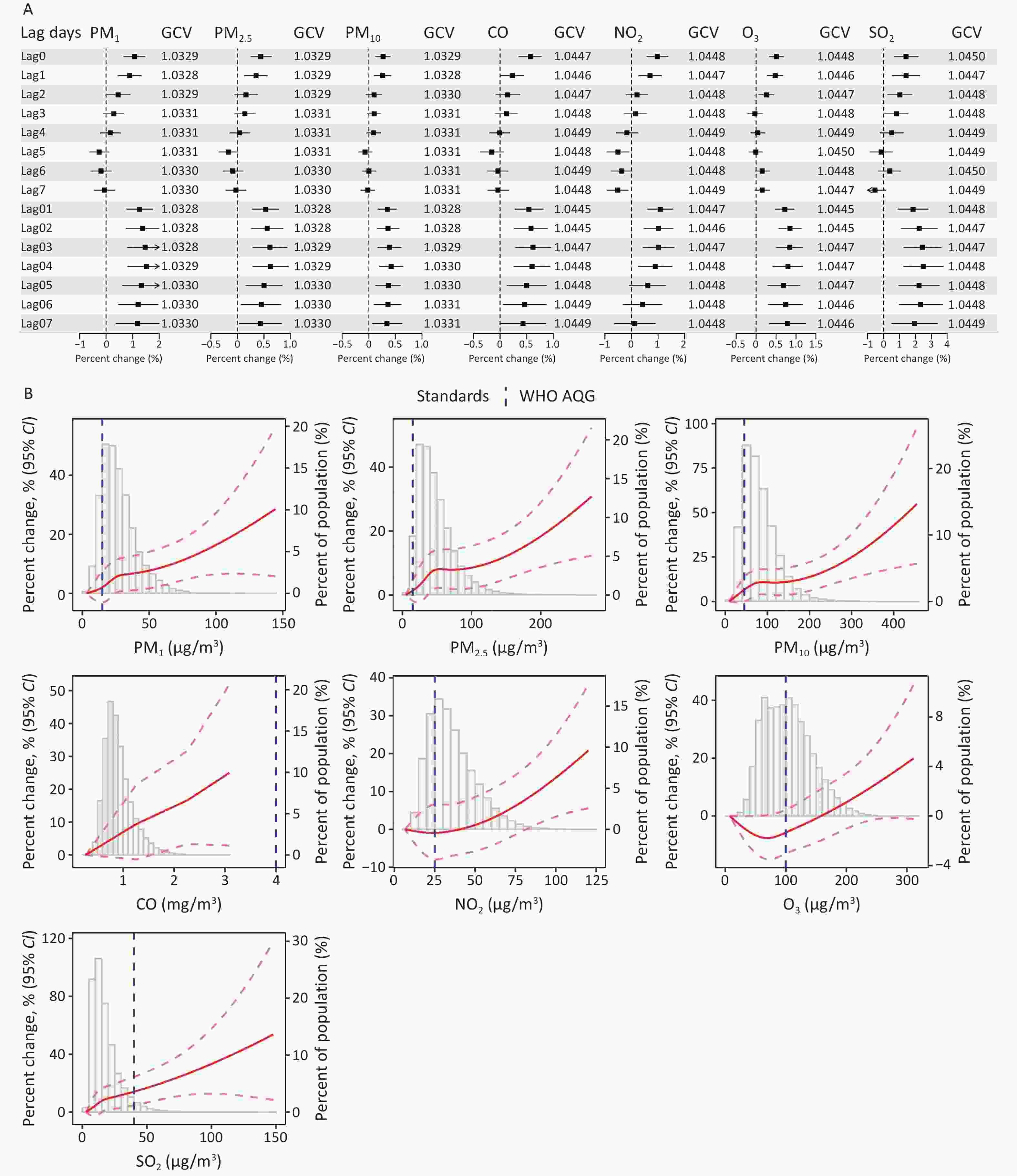
Figure 1. Linear and nonlinear associations between single-pollutant exposure to air pollutants and sepsis mortality
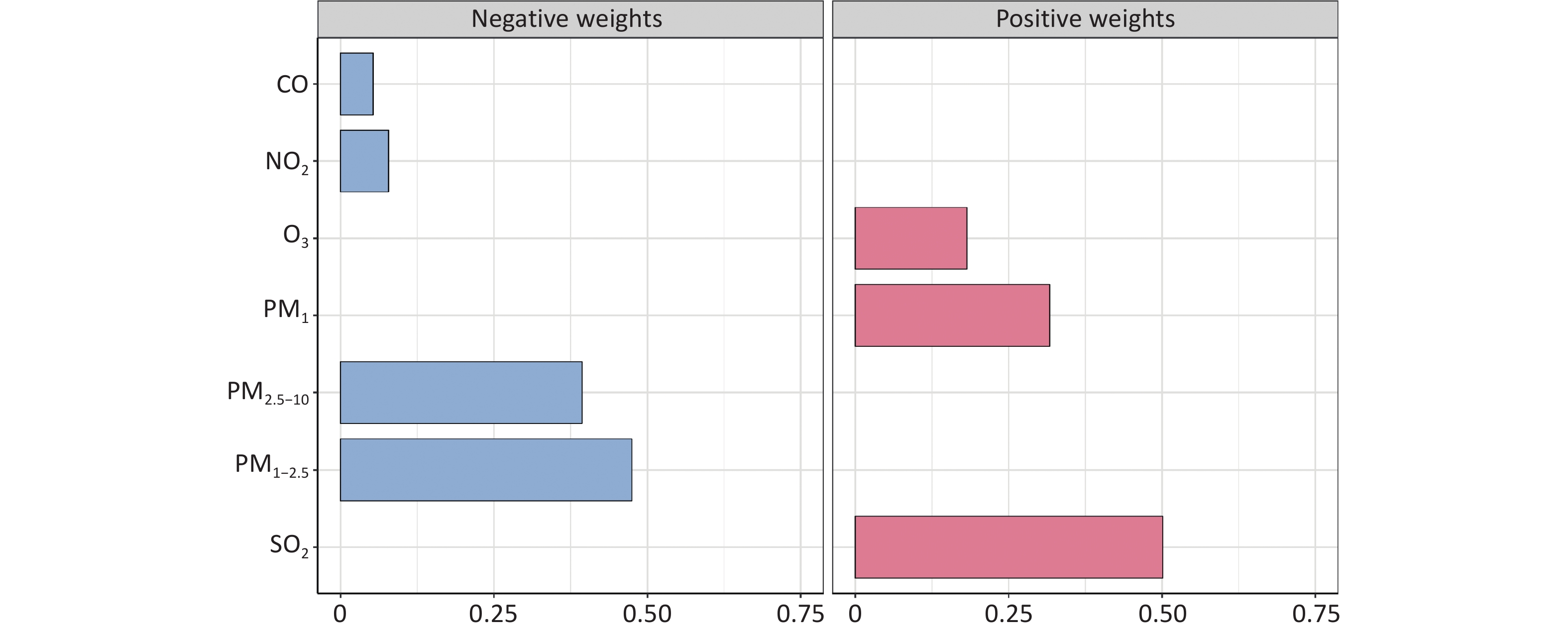
The exposure–response curves for PM1, PM2.5, PM10, and SO2 were steeper at lower concentrations; the curve for CO exhibited a rapid and approximately linear increase; and sepsis mortality associated with NO2 and O3 increased significantly when concentrations exceeded 24 µg/m3 and 69 µg/m3, respectively (Figure 1B). Notably, for most pollutants, sepsis mortality increased significantly even when exposure concentrations were below the limits of the WHO AQG 2021. This suggests that there is no safe threshold for the effects of air pollutants on sepsis mortality, which provides new scientific evidence for further tightening of air quality standards. When stratified by the source of sepsis, air pollution was significantly associated with an increased risk of lung-source sepsis mortality, whereas no significant association was found for nonlung-source sepsis, although the difference between the two groups was not statistically significant (Supplementary Table S6). As the primary target of air pollutants, the respiratory tract can clear pollutants and its barrier may intercept external pathogens, resulting in a lower risk of non-lung-source sepsis than lung-source sepsis. For each one-quartile increase in mixed exposure to air pollutants, sepsis mortality increased by 4% (95% CI: 3%, 5%); SO2, PM1, and O3 had the highest positive weights, indicating that they were the major risk factors (Figure 2). When raw PM2.5 and PM10 values were used for mixed-exposure analysis, the types and ranking of pollutants with positive weights remained unchanged (SO2 [44.9%], PM1 [38.2%], O3 [16.9%]). Sensitivity analyses of the association between single-pollutant exposure and sepsis mortality showed no significant changes (Supplementary Table S7). With reference to the WHO AQG 2021 and GB 3095-2026 standards, air pollution may account for as much as 3.21% and 1.03% of sepsis deaths, respectively (Supplementary Table S8). Given that the current air quality in most regions of China does not yet meet the standards and that the population is large, the number of air pollution-related sepsis deaths may be considerable.
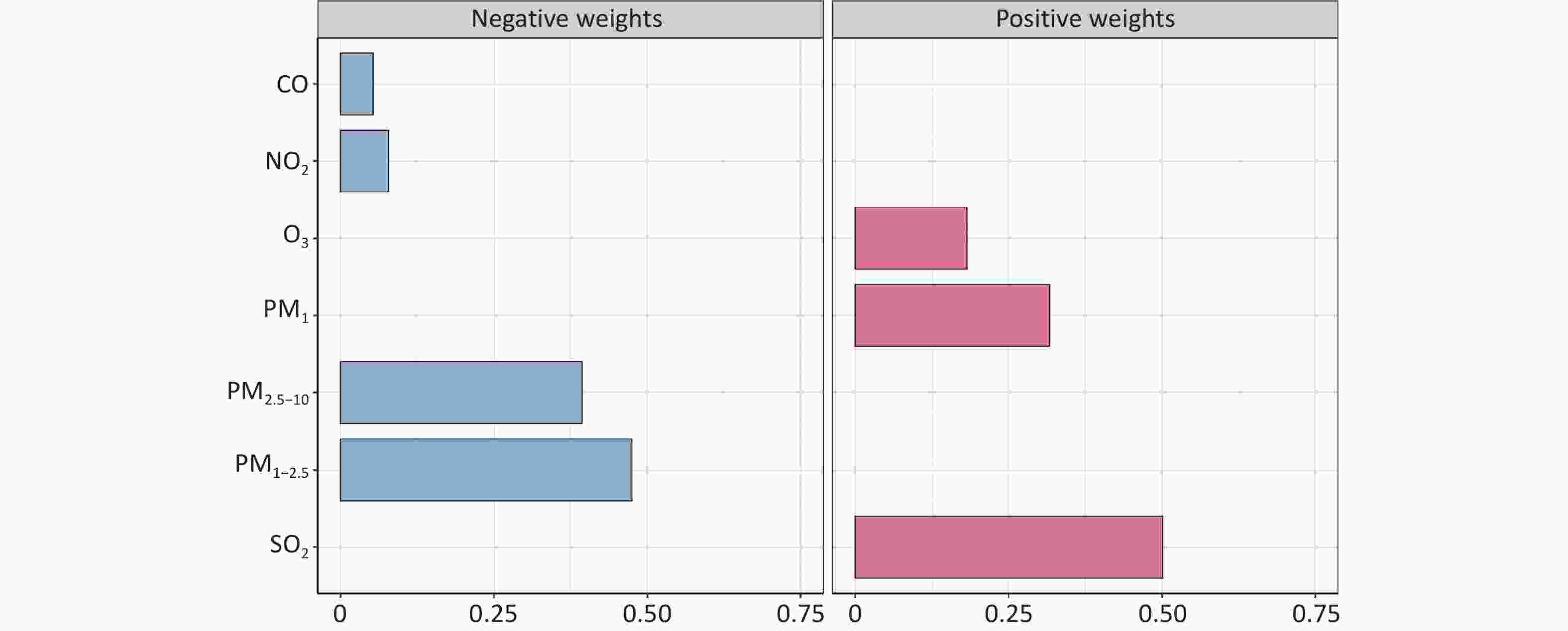
Figure 2. Quantile g-computation analysis for the association between mixed exposure to air pollutants and sepsis mortality
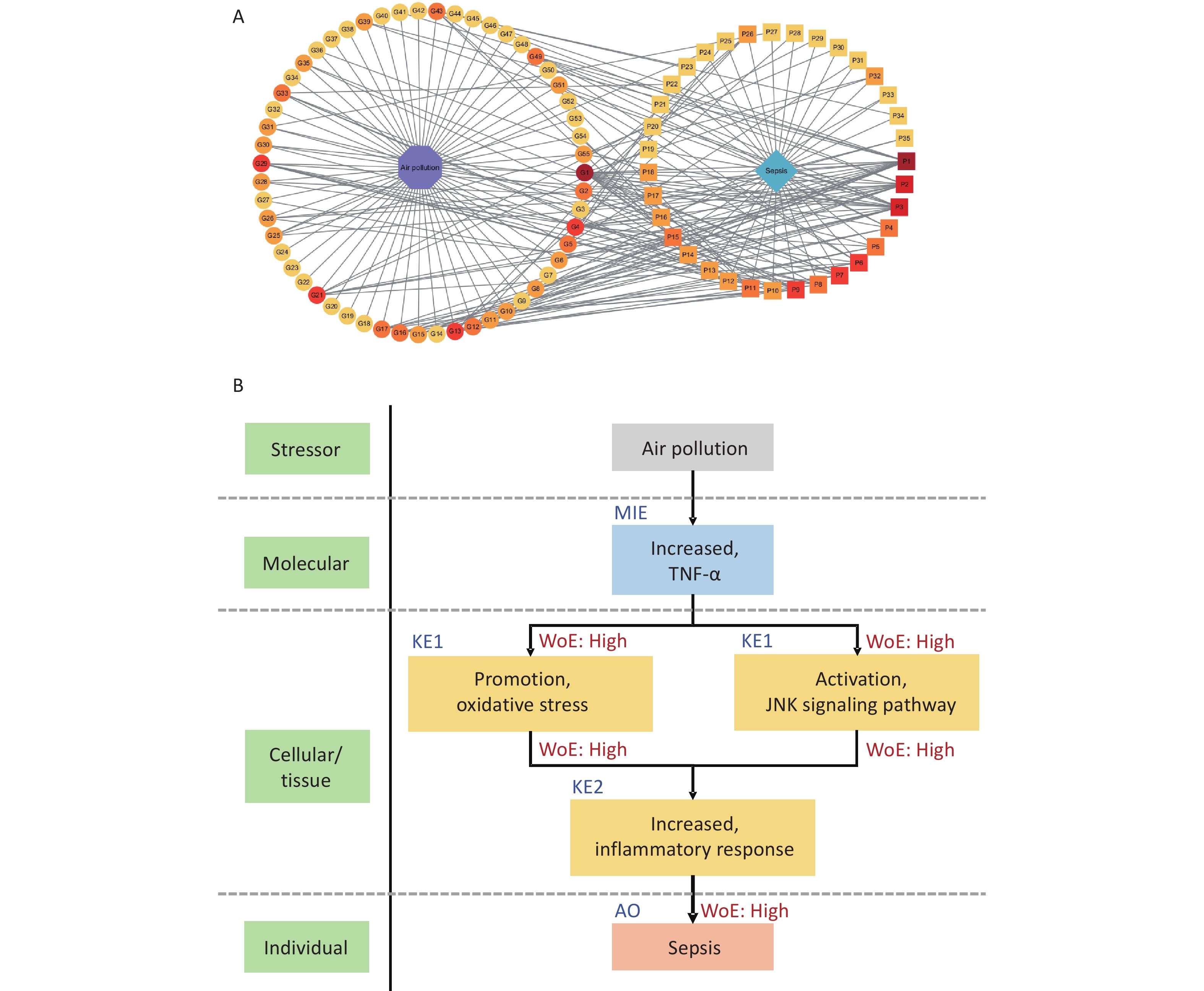
Through database searches, 55 genes were found to be associated with sepsis and exposure to at least one air pollutant (Supplementary Figure S2). These genes were subjected to GO and KEGG enrichment analyses, and 2758 statistically significant pathways were identified. The top ten most significant terms are shown in Supplementary Figure S3. The enrichment analysis results were intersected with air pollution- and sepsis-related phenotypes, and a total of 35 target phenotypes were identified (Supplementary Figure S4). Based on these results, an air pollution-gene-phenotype-sepsis network was constructed (Supplementary Figure S3A). The TNF-α gene was associated with the majority of target phenotypes, and PPI and topological analyses demonstrated its importance (Supplementary Figure S5, Table S9). It also responded to all pollutants (Supplementary Table S10). In conjunction with previous literature[10], TNF-α was identified as the molecular initiating event (MIE). TNF-α-related phenotypes were classified into three categories and served as downstream KEs (Supplementary Table S11). The AOP framework established in this study is shown in Figure 3B. According to the guidelines published by the OECD, the importance of each KE and the biological plausibility, temporal order, and dose-response relationship of the KERs were analyzed, and all weight of evidence (WoE) ratings were judged as "high" (Supplementary Tables S12, S13). The AOP framework established in this study not only provides a biologically plausible explanation for the epidemiological association but also preliminarily reveals potential targets for precise prevention and treatment of air pollution-related sepsis.
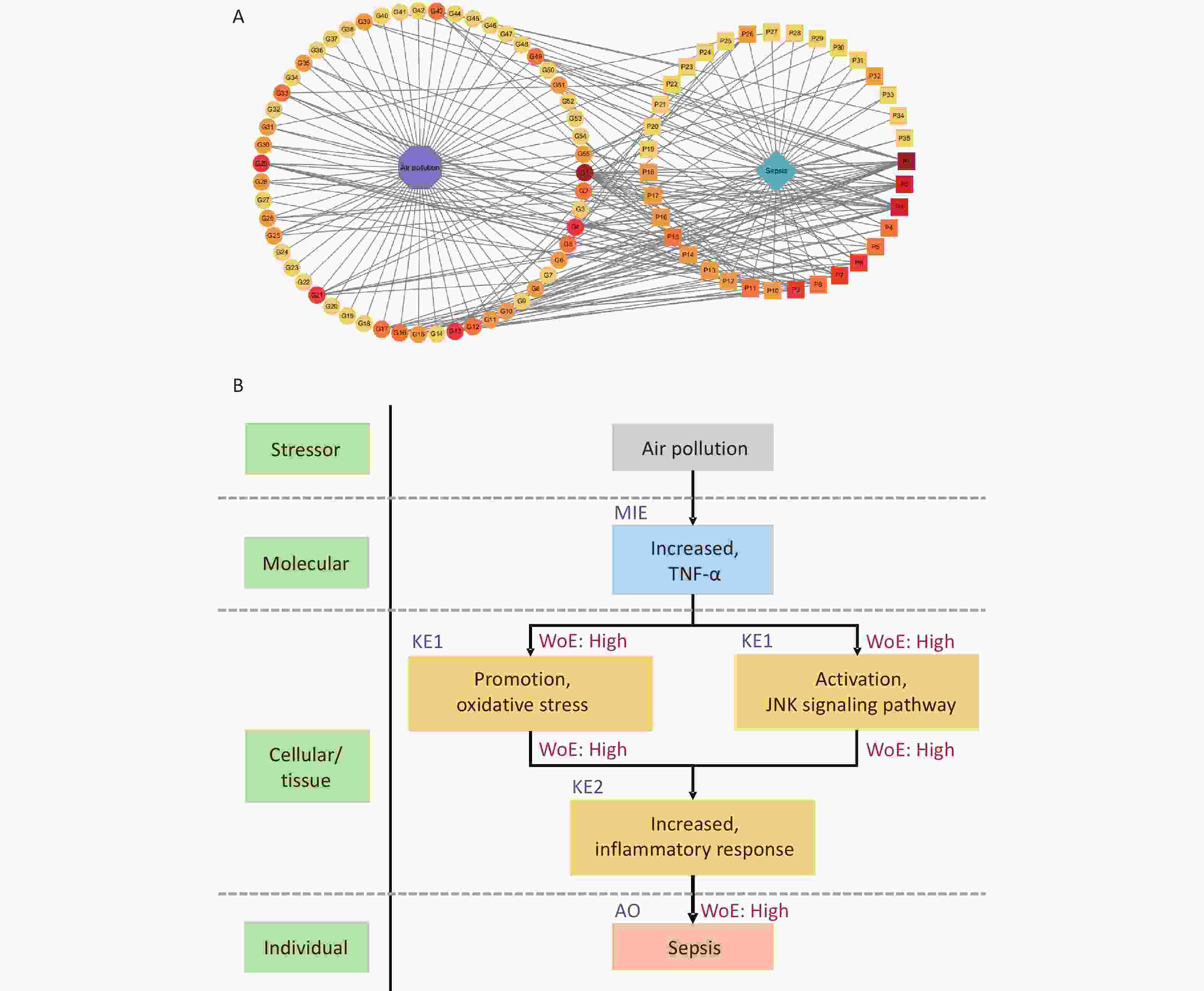
Figure 3. Network diagram and AOP framework based on information integration
This study has several limitations. First, exposure assessment was conducted at only the county level, and individual-level pollutant exposure was not measured, which may have led to exposure misclassification. Nevertheless, non-differential exposure misclassification would bias the estimates toward the null result. Second, given the limitation of the study design, we could not adjust for individual-level confounders, such as socioeconomic status and lifestyle. Third, because of the lack of relevant data, we were unable to adjust for the epidemic status of respiratory infectious diseases. Fourth, the time-series analysis used in this study is ecological in nature; the observed exposure–outcome associations are not necessarily causal. Finally, the AOP framework constructed in this study by integrating multi-source data is an evidence-based hypothetical framework. Future efforts should focus on developing quantitative AOPs and conducting experimental validation.
This study found significant positive associations between individual and mixed exposure to air pollutants and sepsis mortality. Air pollution may increase TNF-α, induce oxidative stress, and activate the JNK cascade, thereby promoting inflammatory responses and leading to sepsis. These findings underscore the importance of clean air for public health and provide new scientific evidence for ambient air pollution control and sepsis prevention.
HTML
Competing Interests The authors declare that they have no known competing financial interests or personal relationships that could have appeared to influence the work reported in this paper.
Ethics The data were analyzed at the overall level and no participants were contacted.
Authors’ Contributions Conceptualization, Funding acquisition, Investigation & Supervision: Shaodan Huang; Formal analysis, Software, Visualization & Writing–original draft: Han Wang; Methodology: Han Wang, Shaodan Huang; Validation: Miao Yu; Data curation: Fangyu Zhu, Renqiang Han, Hao Yu, Jinyi Zhou; Writing – review and editing: Miao Yu, Fangyu Zhu, Renqiang Han, Hao Yu, Jinyi Zhou, Shaodan Huang.
Data Sharing Data will be made available on request. The supplementary materials will be available in www.besjournal.com.
Reference

 Quick Links

 DownLoad: