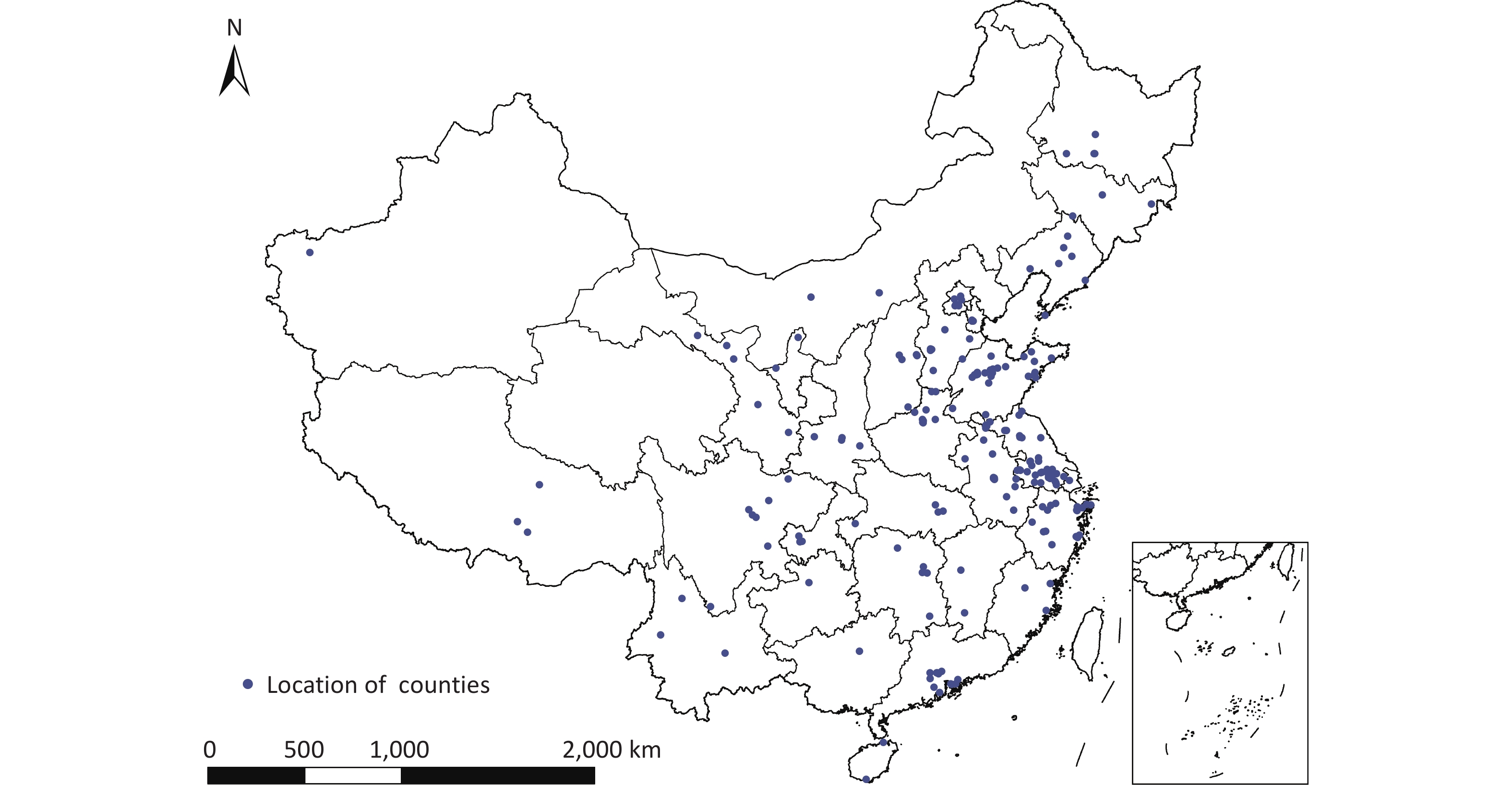
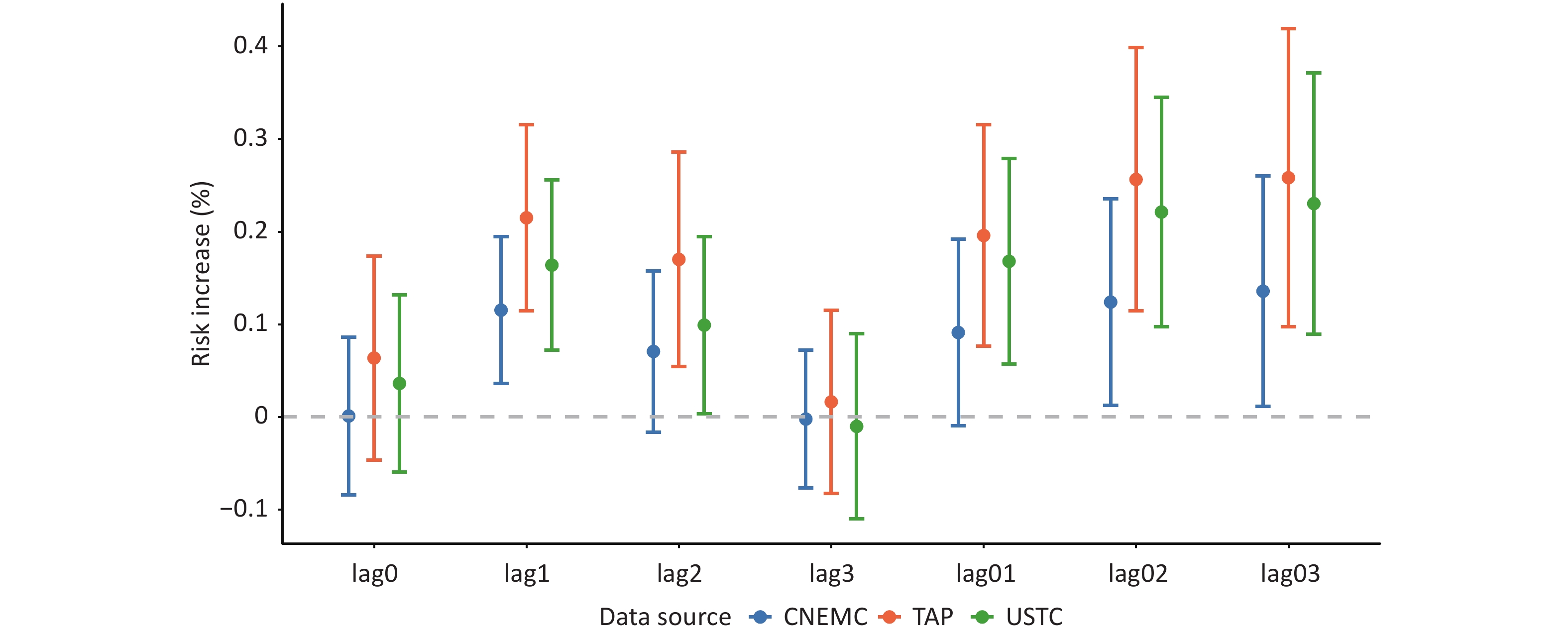
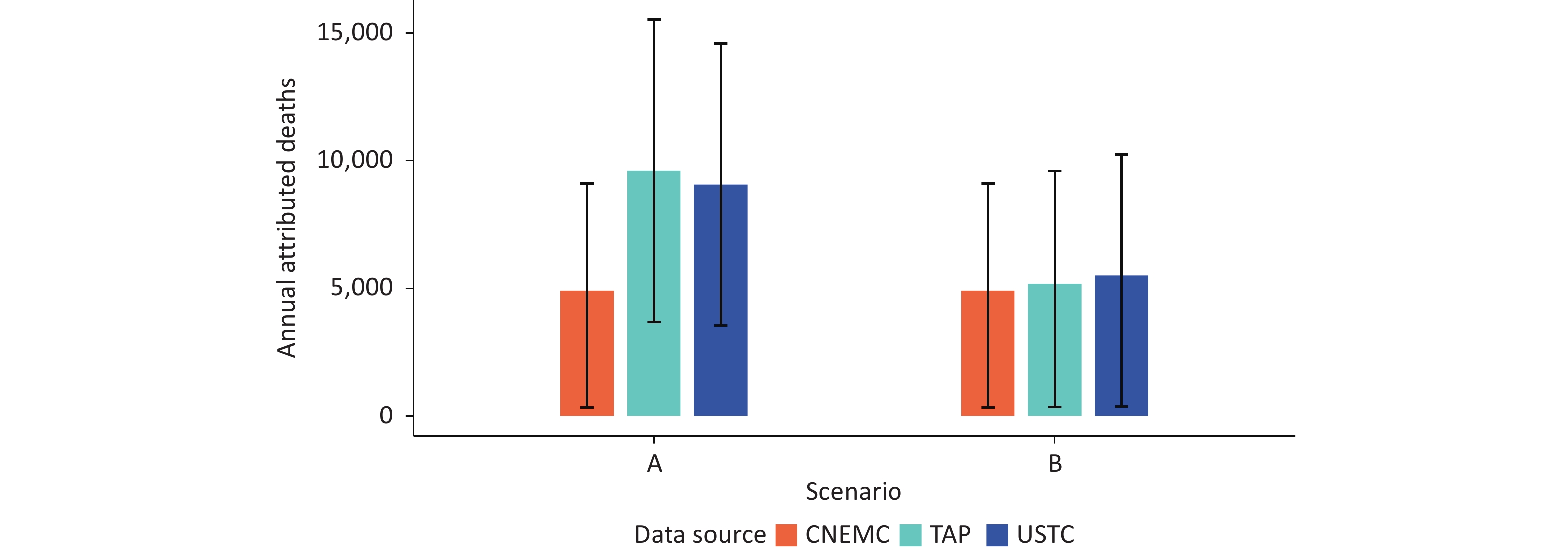
Objective Ozone pollution significantly impacts public health; however, inconsistent exposure assessment data introduce uncertainty to health risk evaluations. The accurate assessment of health risks and disease burden is essential to protecting public health and formulating effective control strategies.Methods This study used a generalized linear model to compare health risks and disease burdens assessed using three ozone datasets (CNEMC, TAP, and USTC) based on circulatory system disease mortality data from 199 Chinese counties (2014–2018).Results The impact of ozone exposure on the risk of death from circulatory system diseases was most significant at lag03. In the CNEMC dataset, a 10 μg/m3 increase in O3-MAD8 was associated with a 0.14% (95% CI: 0.01%—0.26%) increase in the risk of death. In contrast, the risk estimates for TAP and USTC were 0.26% (95% CI: 0.10%—0.42%) and 0.23% (95% CI: 0.09%—0.37%), respectively, indicating a difference of up to 46%. The estimated annual attributable deaths by TAP and USTC were 1.96 and 1.85 times higher than those in the CNEMC dataset, respectively.Conclusion Ozone exposure was associated with increased circulatory system disease mortality. Both risk estimates and attributable mortality burdens varied substantially across different datasets, thus highlighting that exposure data selection can materially influence health risk evaluation.
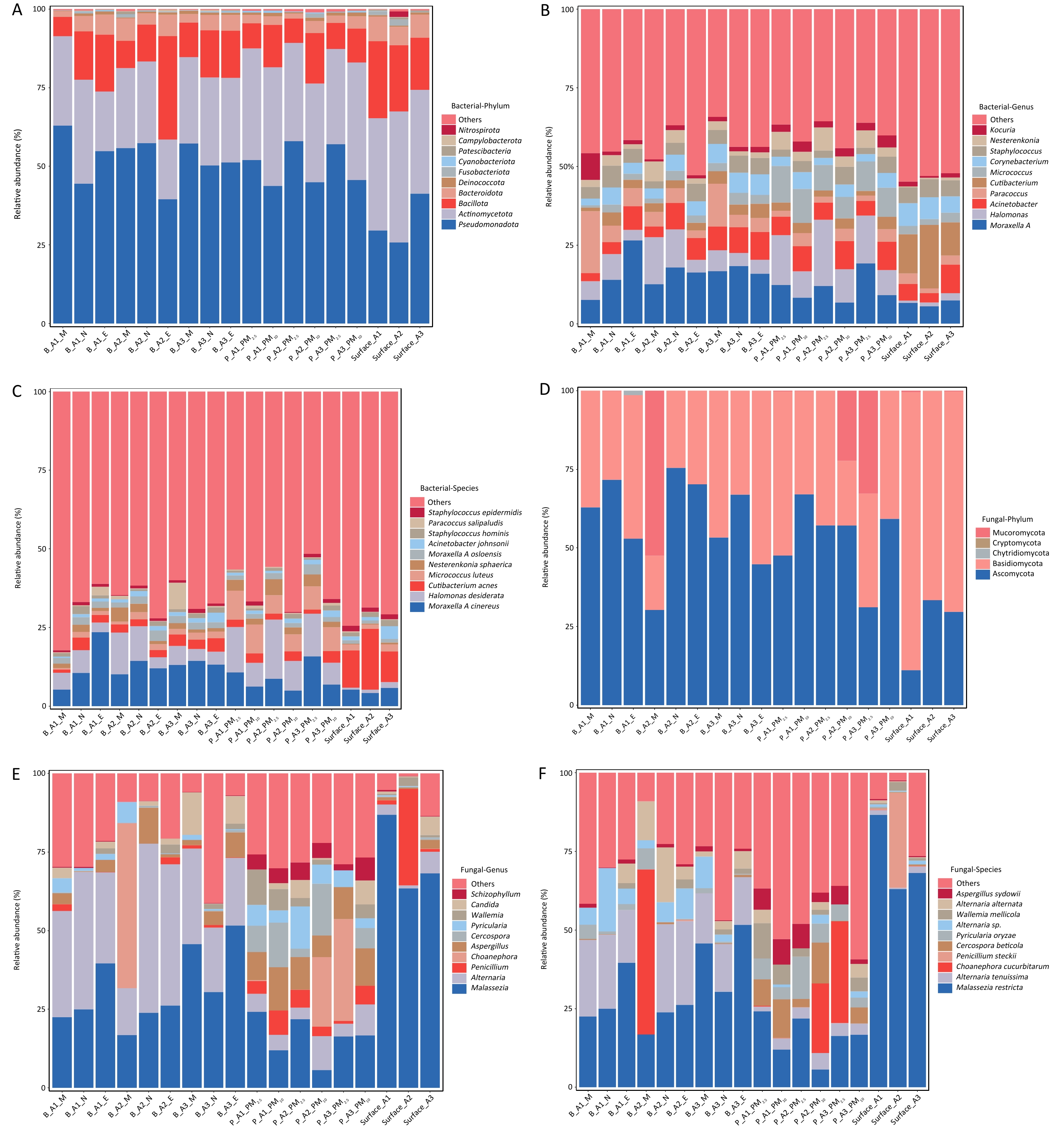
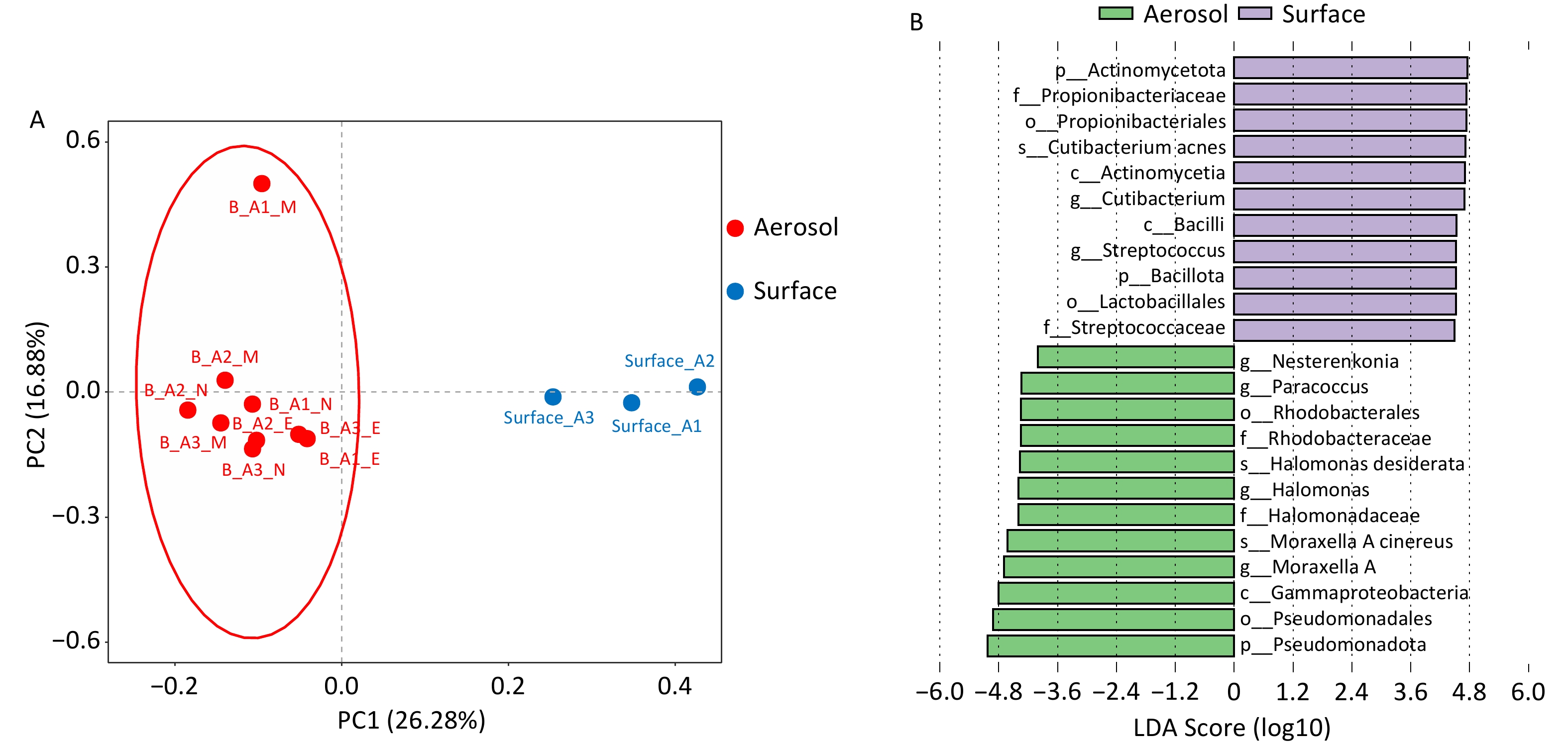
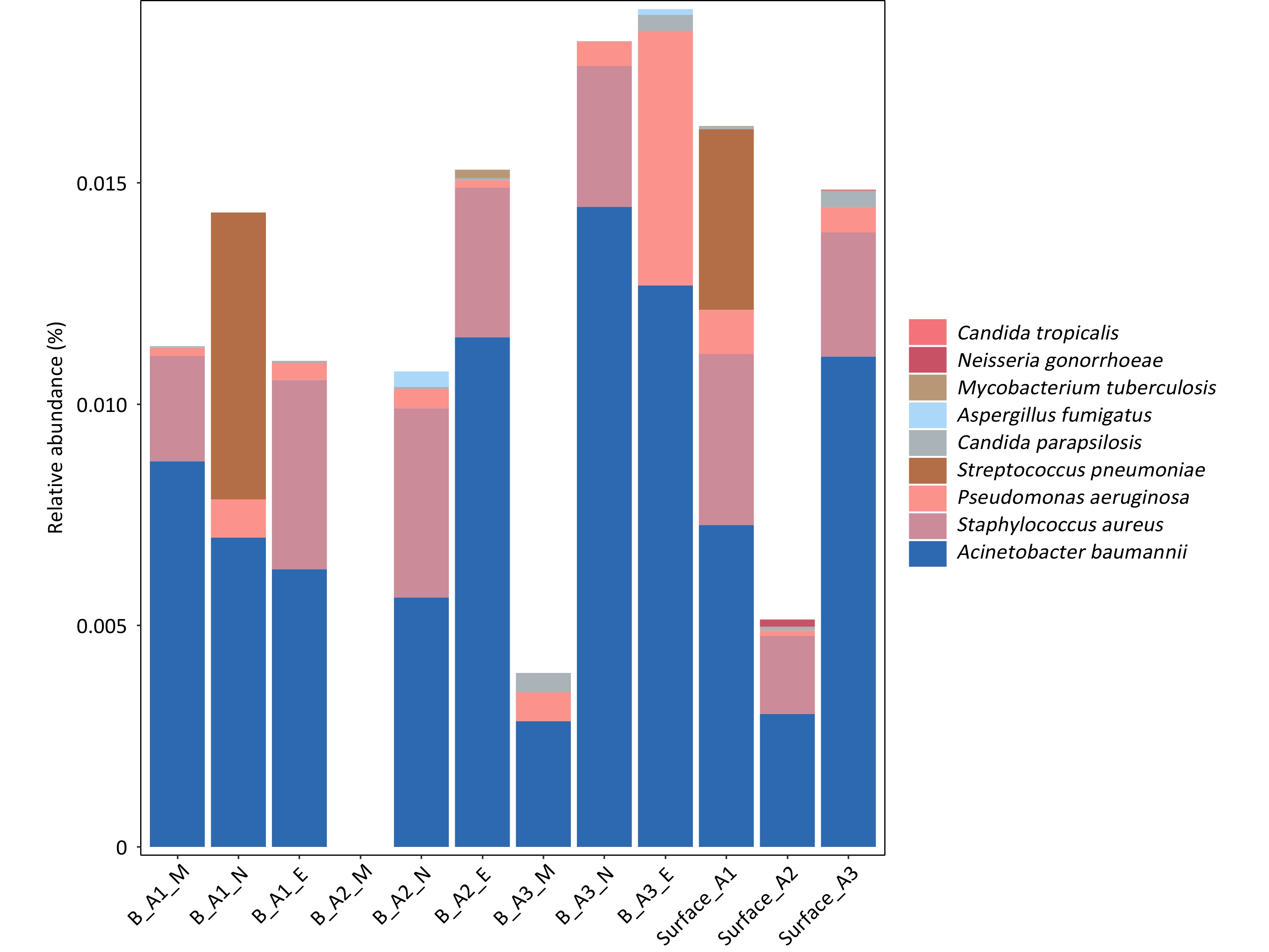
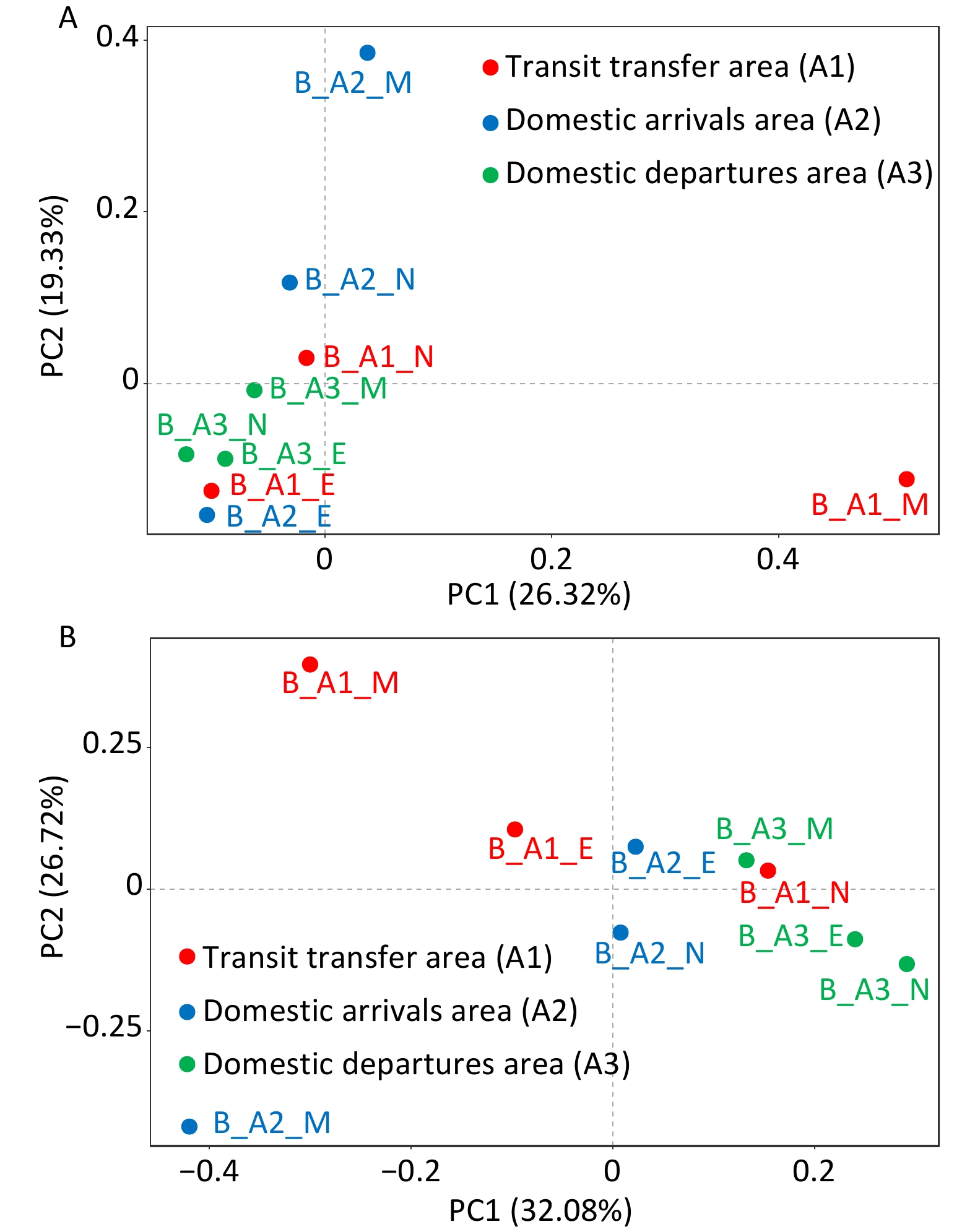
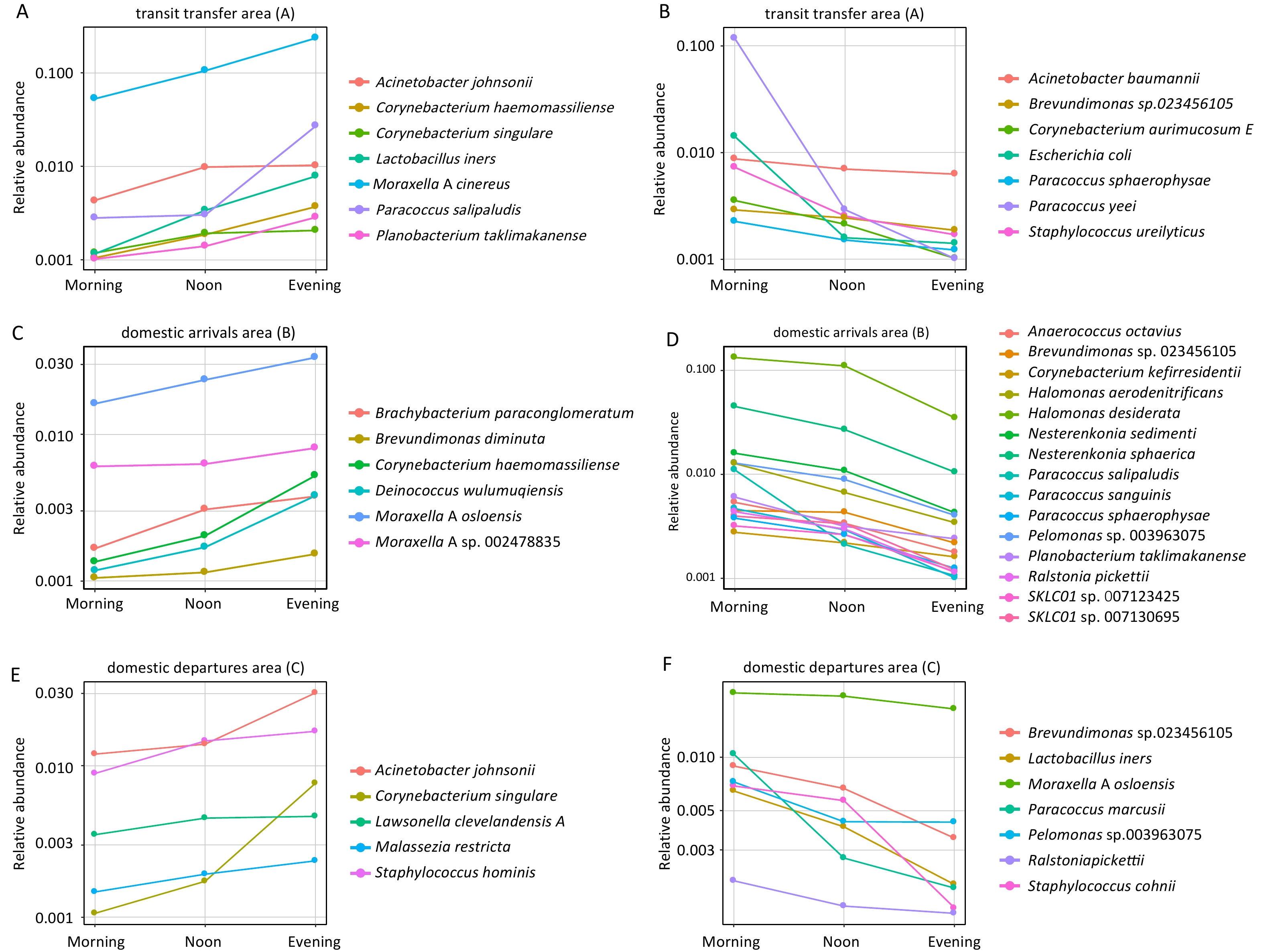
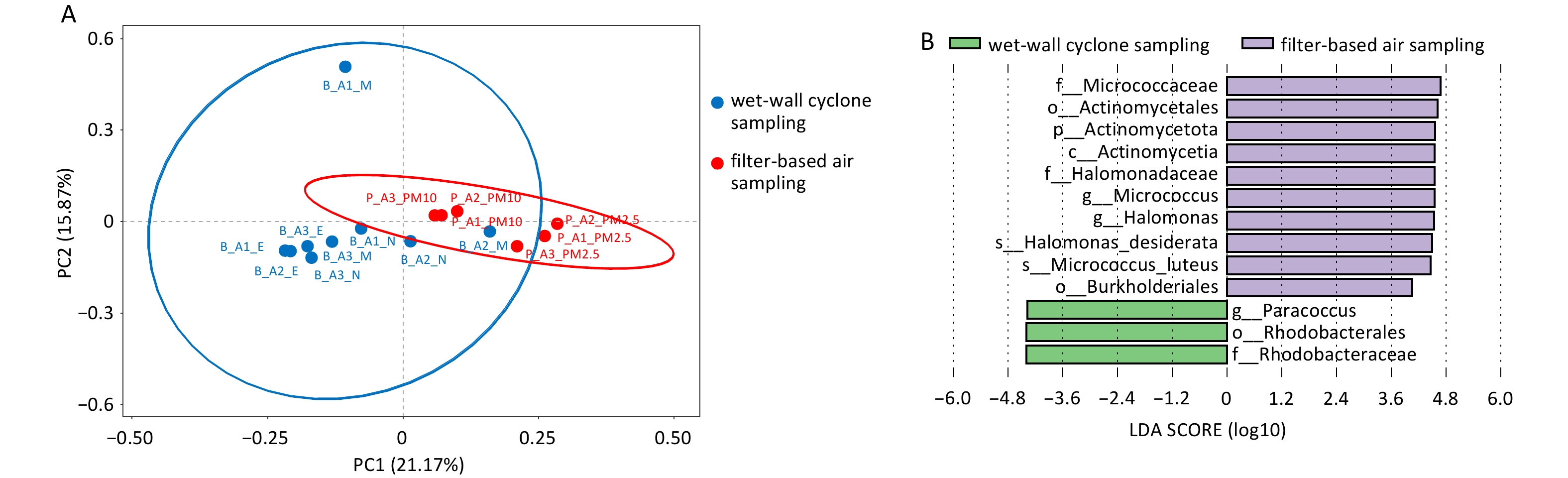
Objective To characterize the distribution of bacterial and fungal pathogens in airport terminal environments, compare airborne aerosol sampling methods, identify high-abundance pathogenic species based on the WHO priority pathogens list, and provide a scientific basis for optimizing microbiological monitoring and control measures.Methods Sampling was conducted in the transit transfer area (A1), domestic arrivals area (A2), and domestic departures area (A3). Airborne aerosols were collected using cyclonic and filtration samplers, and surface samples were collected using sterile swabs. DNA analysis was performed using 2bRAD sequencing for microbiome profiling (2bRAD-M). Microbial community diversity and compositional differences were assessed using α-diversity indices (Chao1, Shannon, and Simpson) and β-diversity metrics.Results Bacteria dominated the indoor air microbiota of the airport terminal (98.4%), with Pseudomonadota (39.4%–62.9%) and Actinomycetota (18.9%–32.9%) as the predominant phyla. Microbial diversity was significantly higher in surface samples than in airborne aerosols. High-frequency contact surfaces (e.g., handrails) were enriched with human commensal bacteria, including Cutibacterium acnes (9.71%–19.4%). Multiple WHO-prioritized pathogens were detected, including Acinetobacter baumannii (0.3%–1.4%) and Pseudomonas aeruginosa (0.01%–1.24%). The transit transfer area (A1), characterized by poorer ventilation, showed higher microbial richness. Filtration samplers captured more microorganisms per unit volume than cyclonic samplers, with significant differences in detection profiles.Conclusion Sampling methods, sample types, and environmental conditions influence microbial distribution patterns across terminals. Detection of WHO Critical and High priority pathogens indicates potential risks of aerosol and contact transmission. Enhanced ventilation and disinfection of high-frequency contact surfaces can mitigate public health risks.Graphical Abstract available in www.besjournal.com
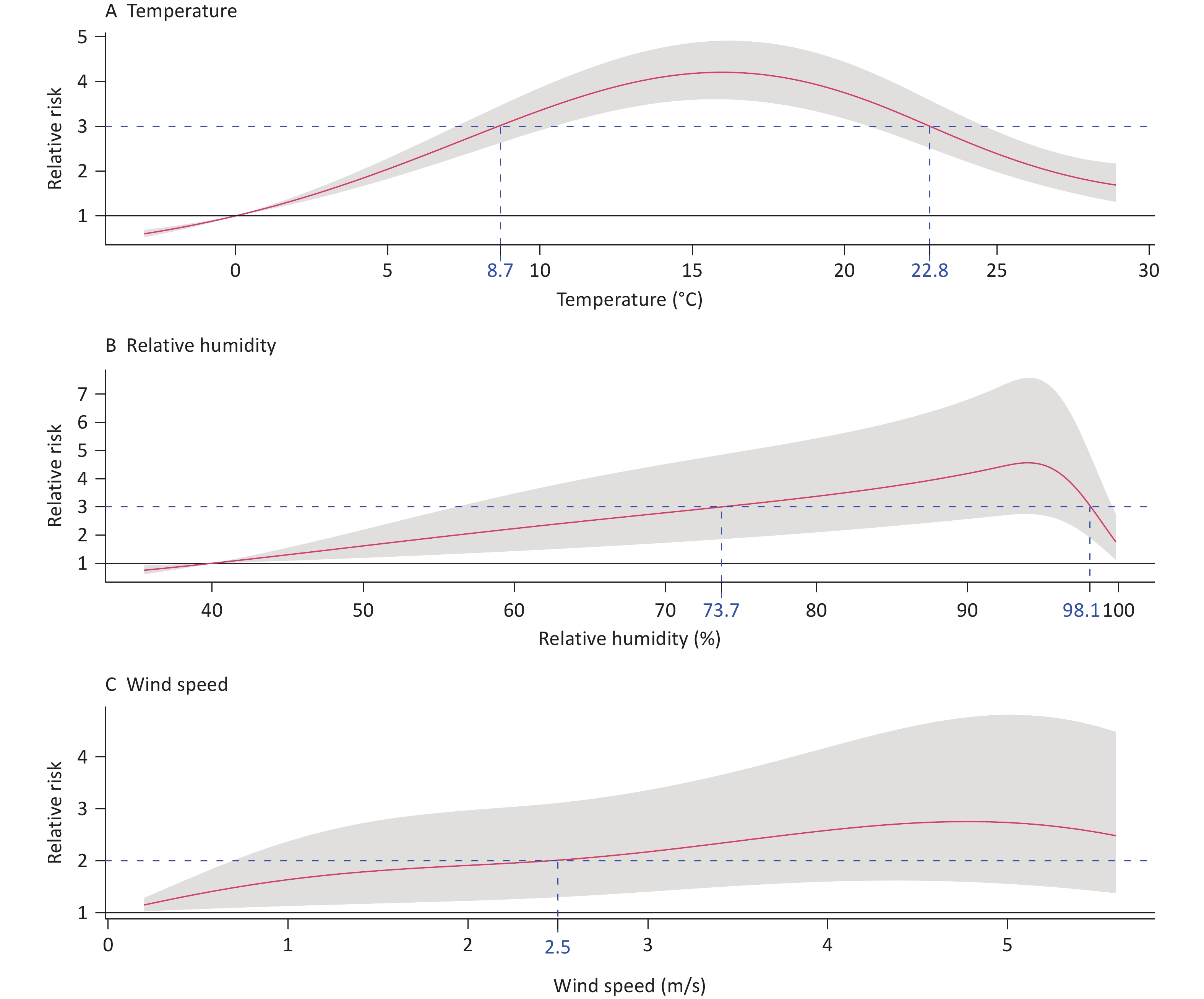
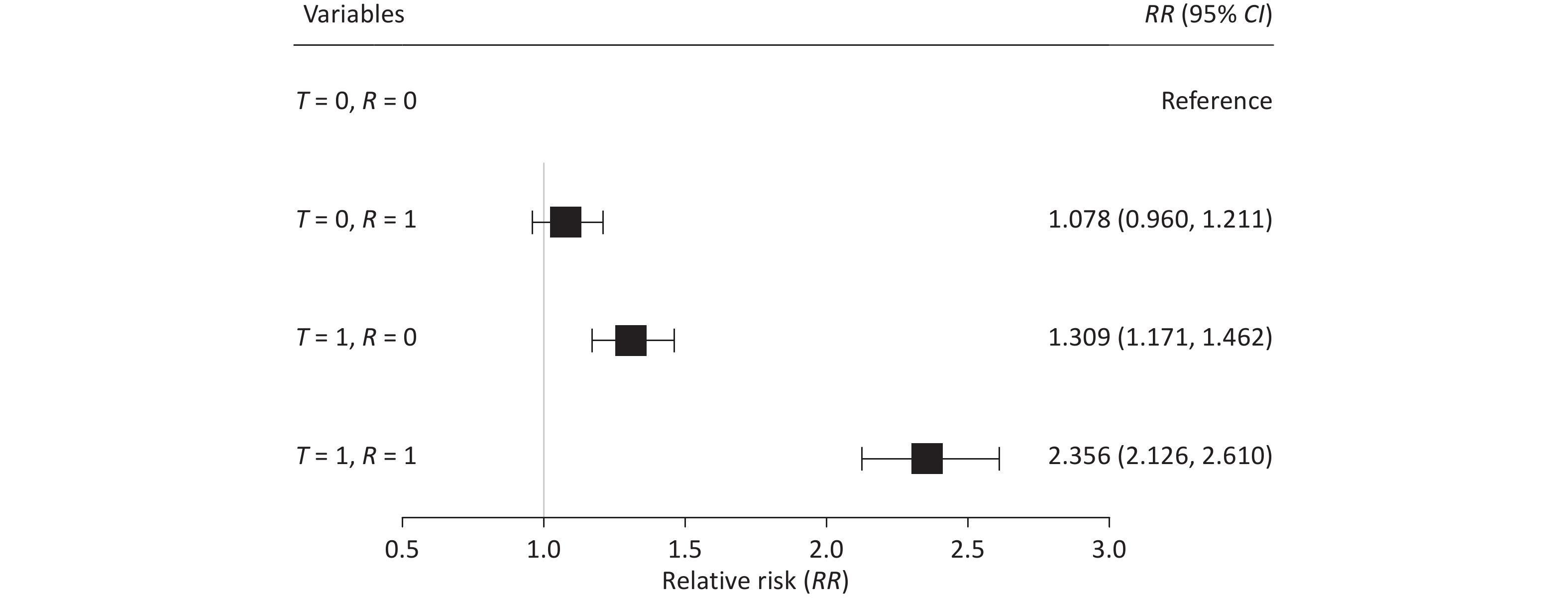
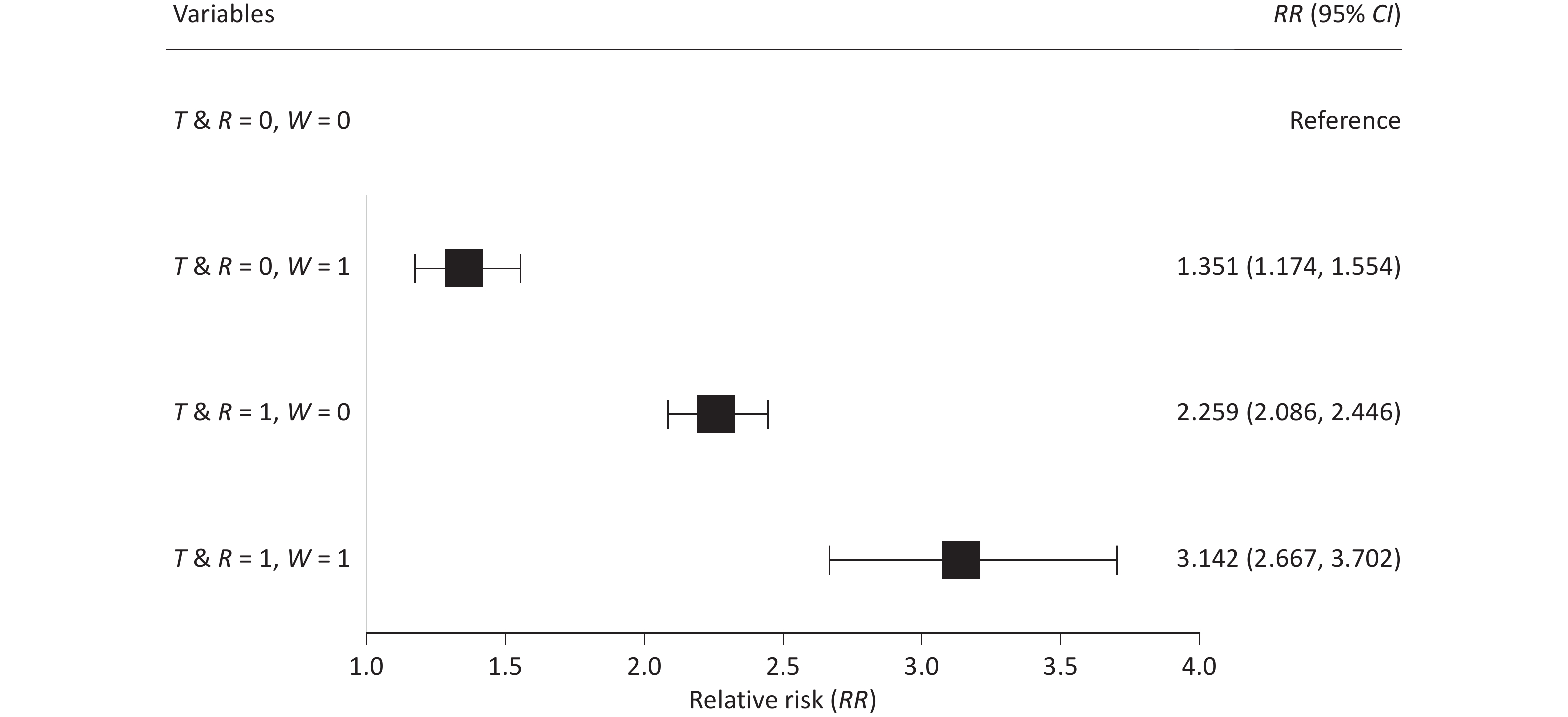
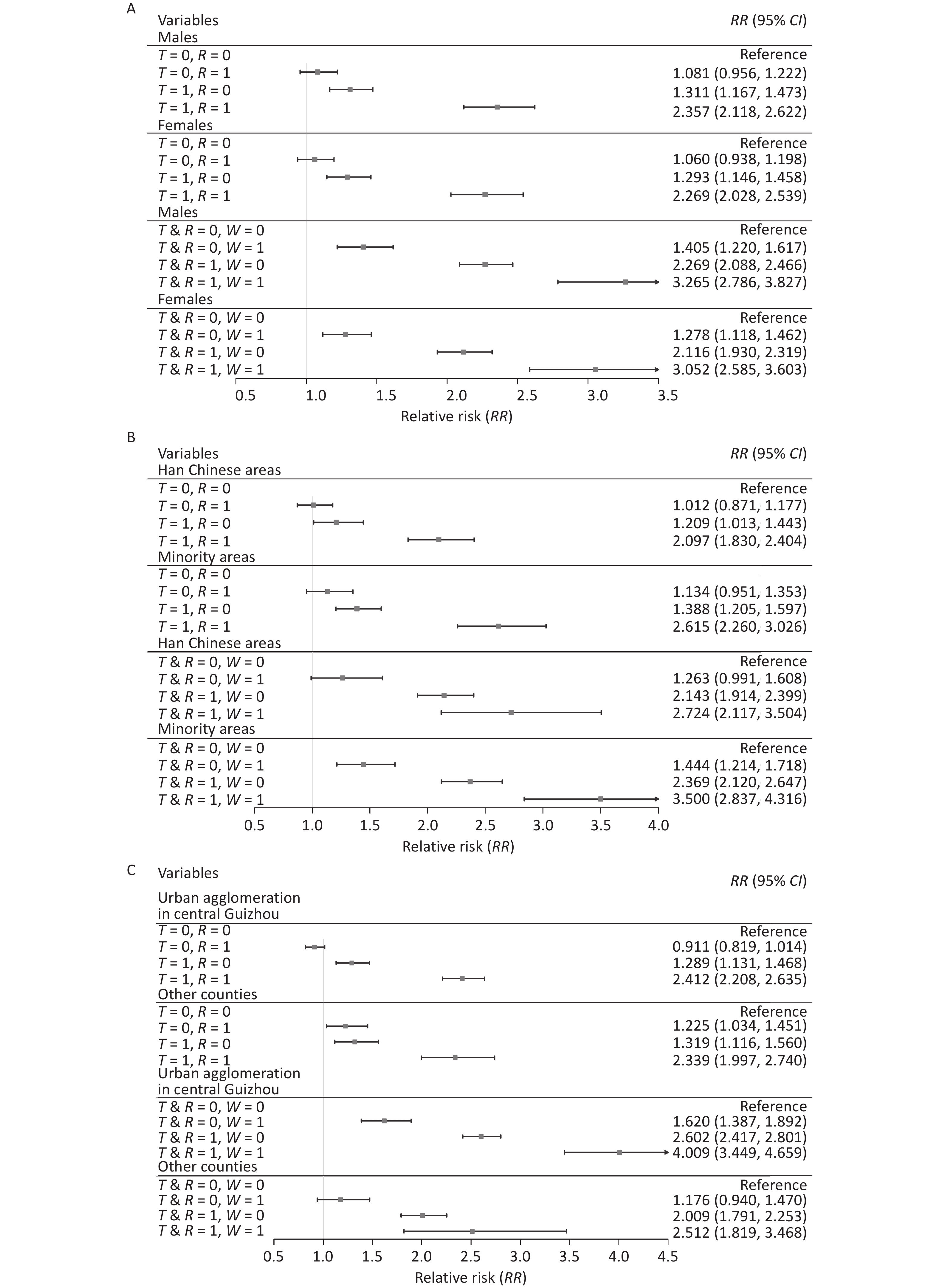
Objective Hand, foot, and mouth disease (HFMD) transmission is sensitive to temperature-humidity interactions; however, the role of wind speed in modifying these effects remains unknown. This study investigated how wind speed modifies the combined effects of temperature and humidity on HFMD burden and identified subgroups of individuals with increased vulnerability to these climate exposures.Methods We analyzed data from 524,100 HFMD cases and daily meteorological measurements across Guizhou, China, between 2012 and 2019. Disease burden was quantified as the number of years lived with disability. Exposure-response relationships and lag effects were modeled via distributed lag non-linear models. Additive interactions were assessed based on the proportions attributable to the interaction. The effects of sex, ethnicity, and urbanization were examined using stratified analyses.Results Meteorological factors showed synergistic effects on HFMD burden. The peak burden occurred at moderate mean temperatures (8.7–22.8 °C) combined with high relative humidity (> 73.7%), showing a 2.4-fold increase versus the reference. High wind speed (> 2.5 m/s) further increased this effect, with a 3.1-fold increase in burden. This joint effect was attributable to the additive interaction involving wind speed and remained robust in stratified analyses that identified heightened vulnerability among boys, minority areas, and urban agglomerations.Conclusion The HFMD burden was highest under specific combinations of temperature and humidity, and further increased with concurrent exposure to high wind speeds. Public health strategies for HFMD prevention should incorporate wind speed monitoring into early warning systems and address vulnerable subgroups, including boys and populations in minority areas and urban agglomerations.
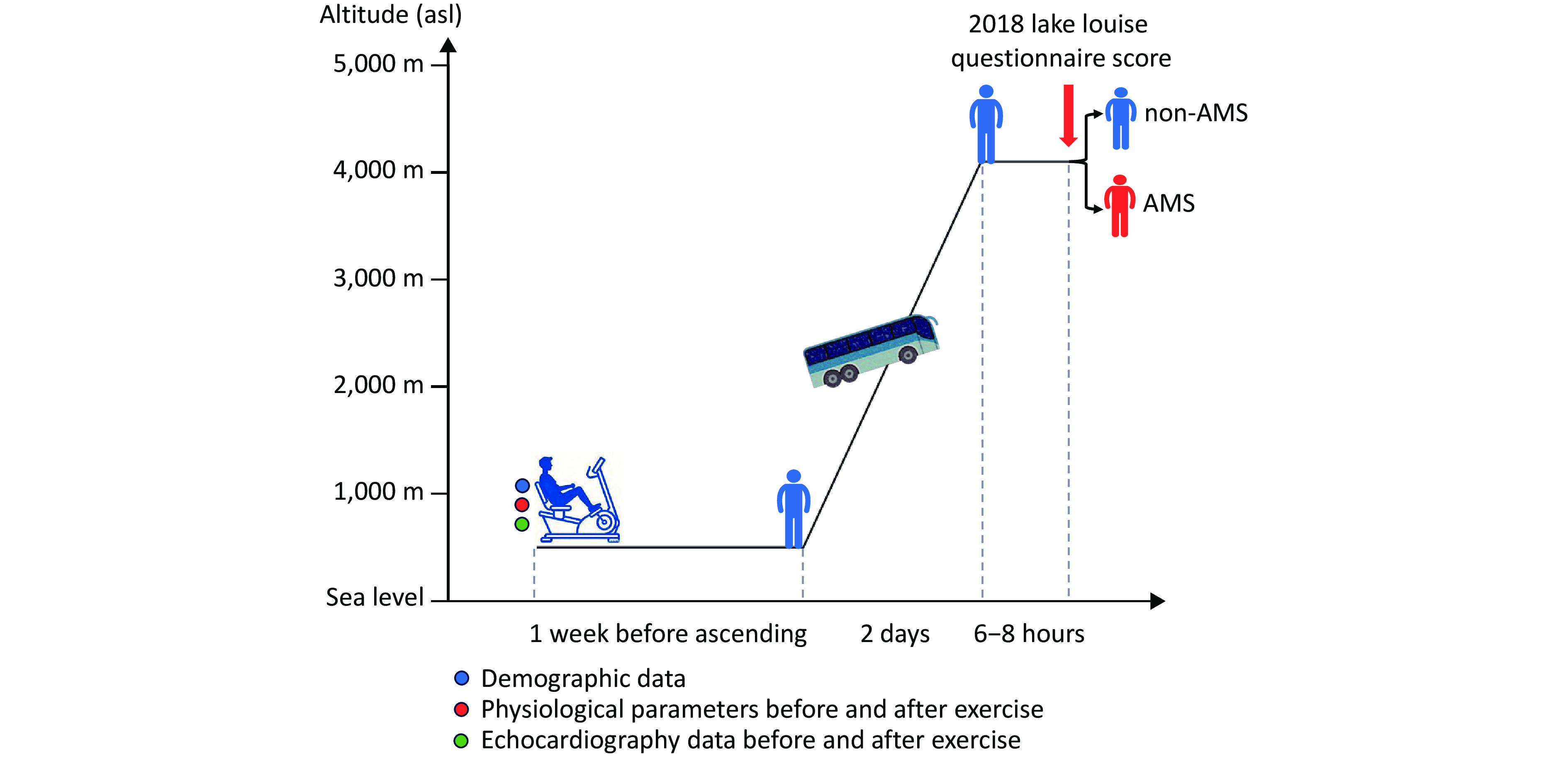
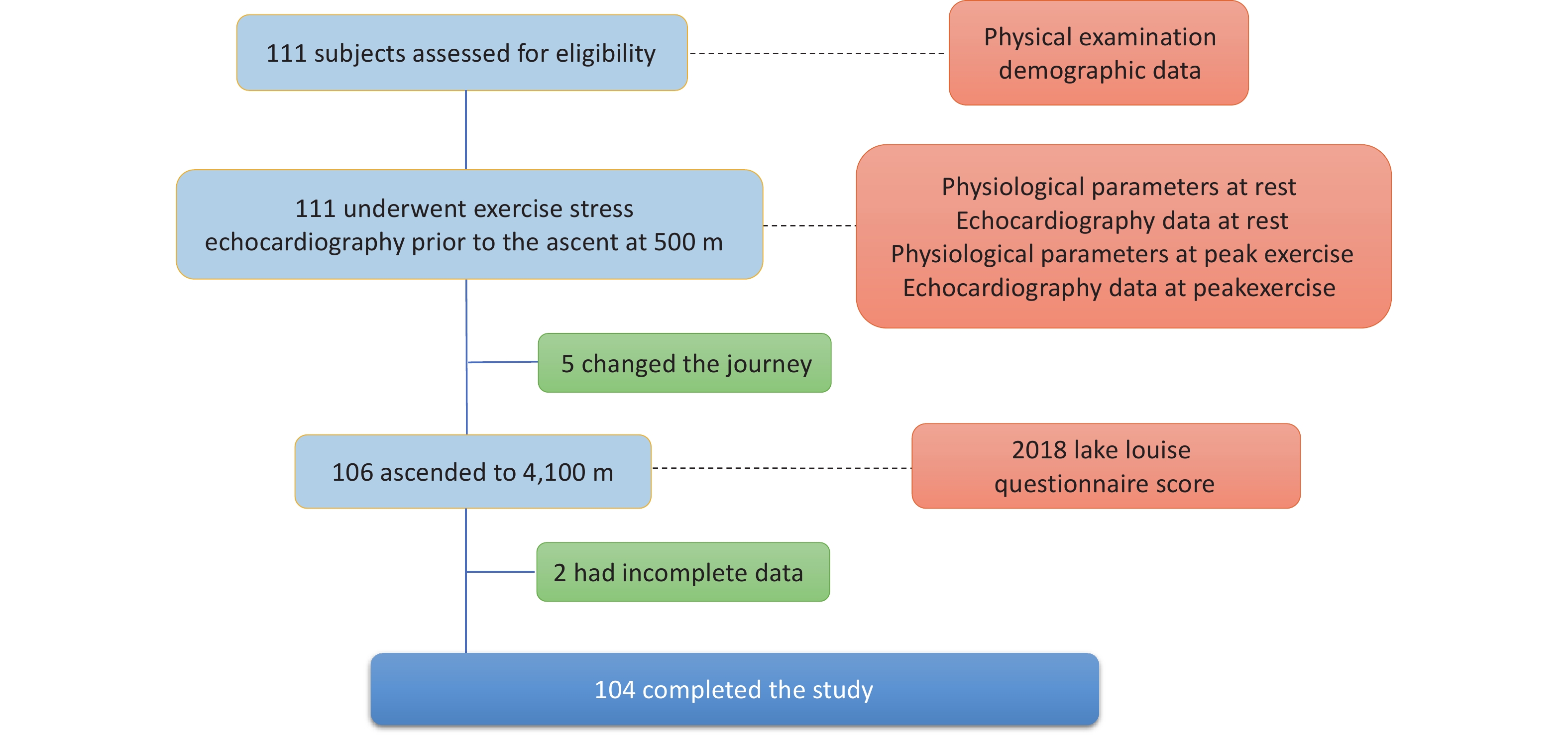
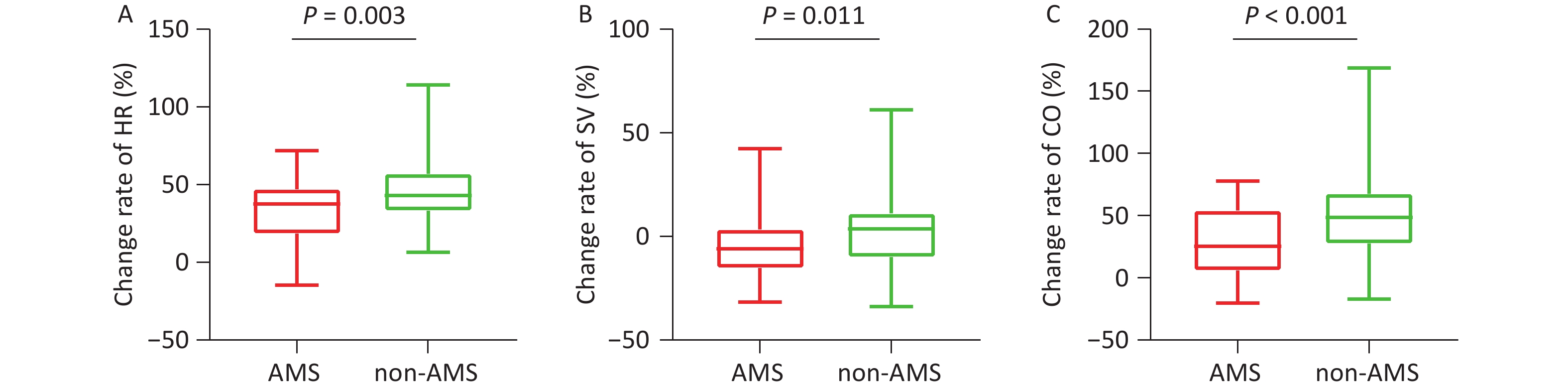
Objective Stress-induced changes in echocardiographic parameters reflect cardiac reserve function. This study aimed to identify predictors of acute mountain sickness (AMS) using exercise stress echocardiography (ESE) before ascent.Methods In this prospective cohort study, 104 healthy adults were enrolled and treated using ESE using a mechanically braked bicycle ergometer at a low altitude (LA) (500 m). Physiological data and echocardiographic parameters were collected before and during exercise. An ascent from 500 m to 4,100 m was completed by the bus within two days. AMS was identified using the Lake Louise Questionnaire.Results Among the 104 participants, 49 developed AMS at 4,100 m. Compared with individuals without AMS, those with AMS had a higher low-altitude (500 m) heart rate (HR) but lower stroke volume (SV) at rest, lower cardiac output (CO) and SV during exercise, and lower rates of change in CO, SV, and HR. Multivariate regression analysis revealed that female sex (odds ratio [OR] = 3.17, P = 0.039) and the rate of change in CO during exercise (OR = 0.98, P = 0.001) were independent risk factors for AMS. Participants with the lowest CO change rate after ESE presented the highest AMS risk.Conclusion ESE could serve as an effective screening tool for AMS susceptibility, and blunted CO augmentation during exercise is an independent predictive marker for AMS risk.
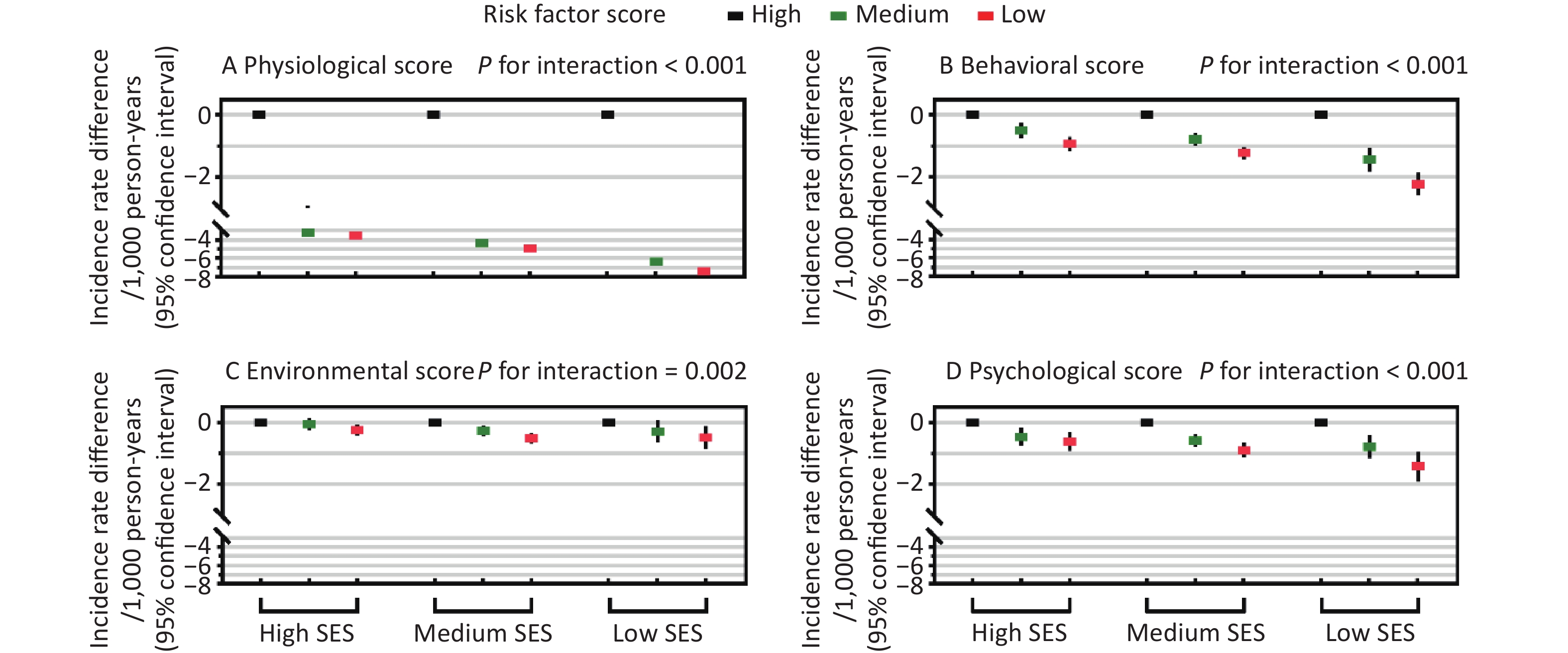
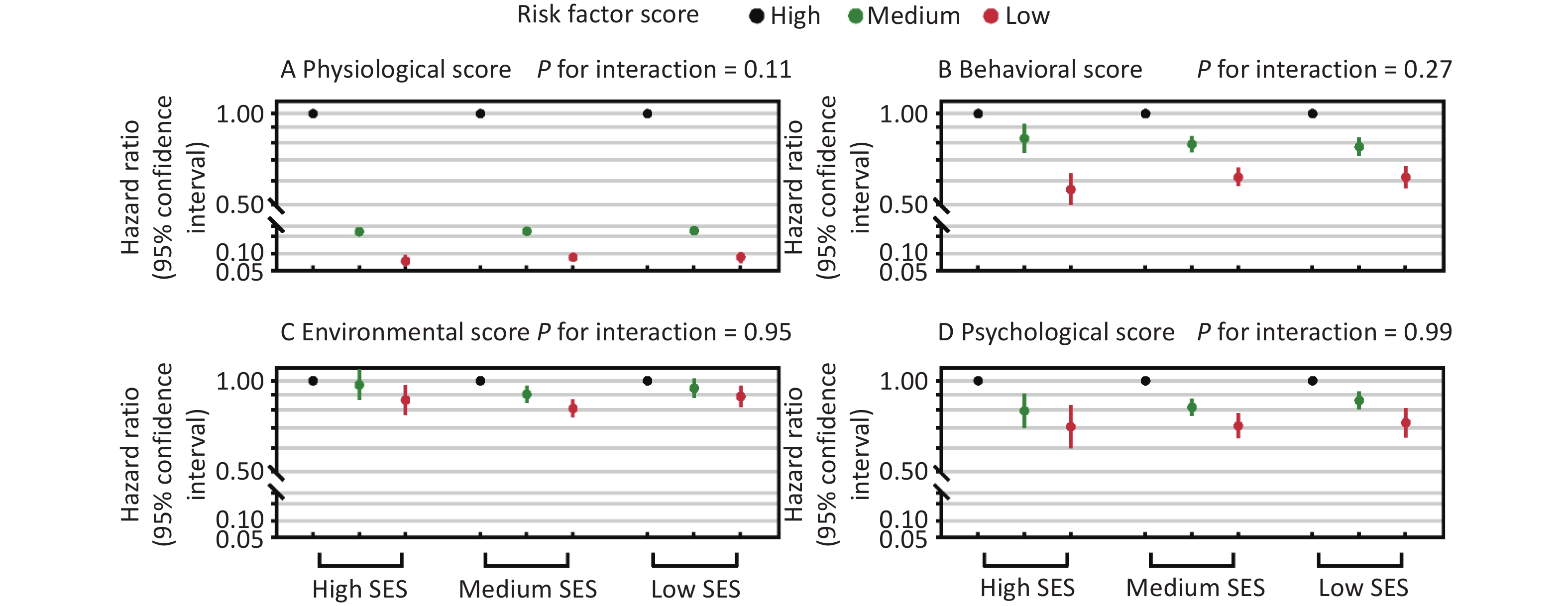
Objective To examine the association between overall socioeconomic status (SES) and incident diabetes, to estimate how much of the SES-diabetes association is explained by modifiable diabetes risk factors, and to assess whether the benefits of favorable risk factor profiles differ by SES.Methods We analyzed 337,229 adults without diabetes at baseline from the UK Biobank. Overall SES was derived using latent class analysis based on income, occupation, and education. Modifiable diabetes risk factor scores were constructed across physiological, behavioral, environmental, and psychological domains. Cox proportional hazard models and additive hazard models were used to evaluate associations, mediation proportions, and interactions for incident diabetes.Results During a median follow-up of 12.5 years, 11,557 participants developed diabetes ascertained through linkage to registries. The low SES group had 2.47-fold (95% CI: 2.33–2.62) diabetes risk and 2.7 (2.5–2.8) more incident diabetes cases per 1,000 person-years compared to the high SES group, 54.4% of which was explained by all modifiable factors jointly, with physiological score contributing to the largest proportion (39.1%). Favorable risk factor profiles were associated with lower diabetes risk across all SES groups, and absolute risk reductions associated with favorable profiles were greatest among individuals with low SES (P for additive interaction ≤ 0.002).Conclusion More than half of the excess diabetes risk associated with low SES can be explained by modifiable risk factors. Improving these factors may contribute to greater reduction in diabetes incidence among socioeconomically disadvantaged populations, supporting targeted diabetes prevention strategies to reduce socioeconomic disparities.
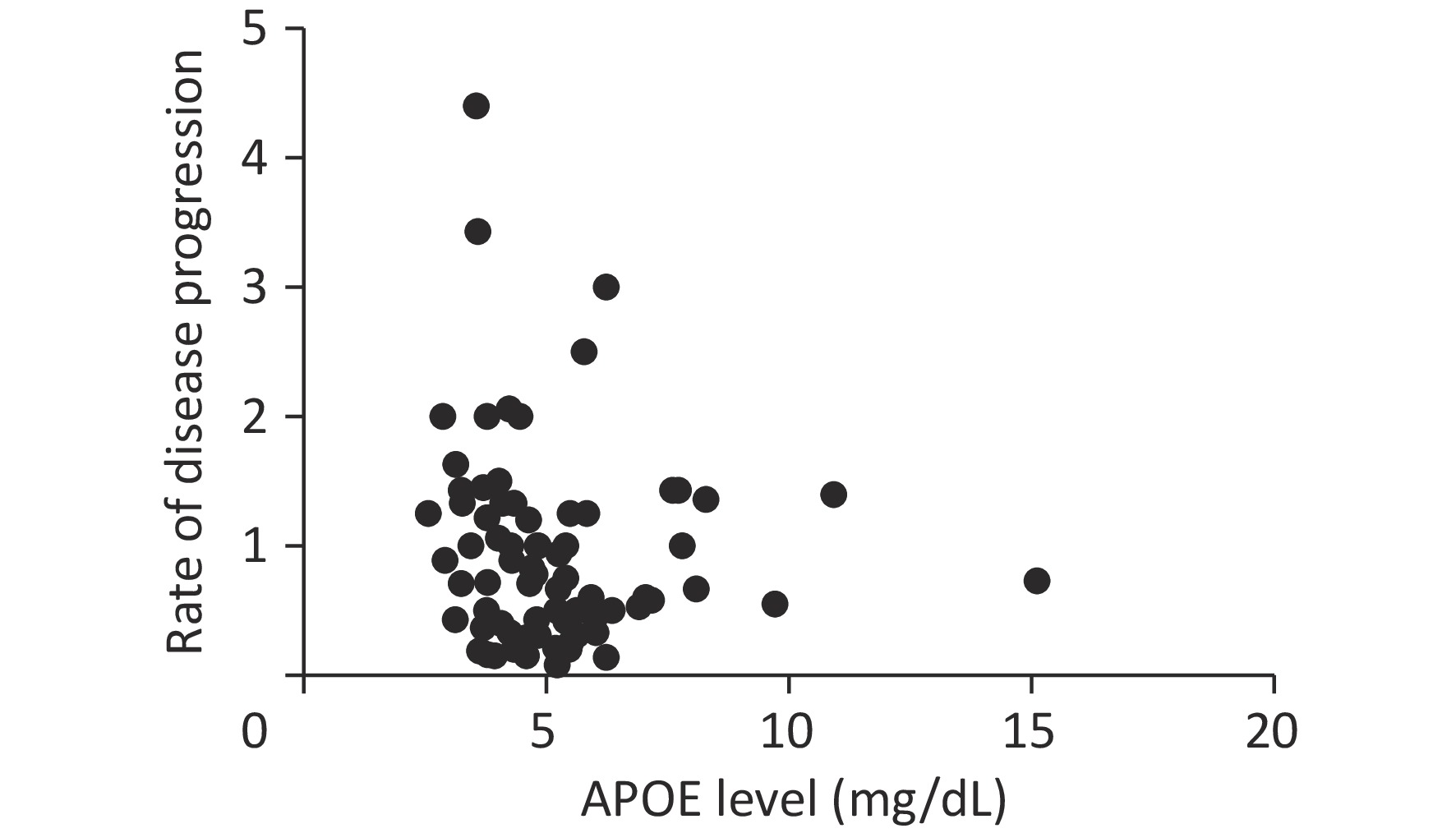
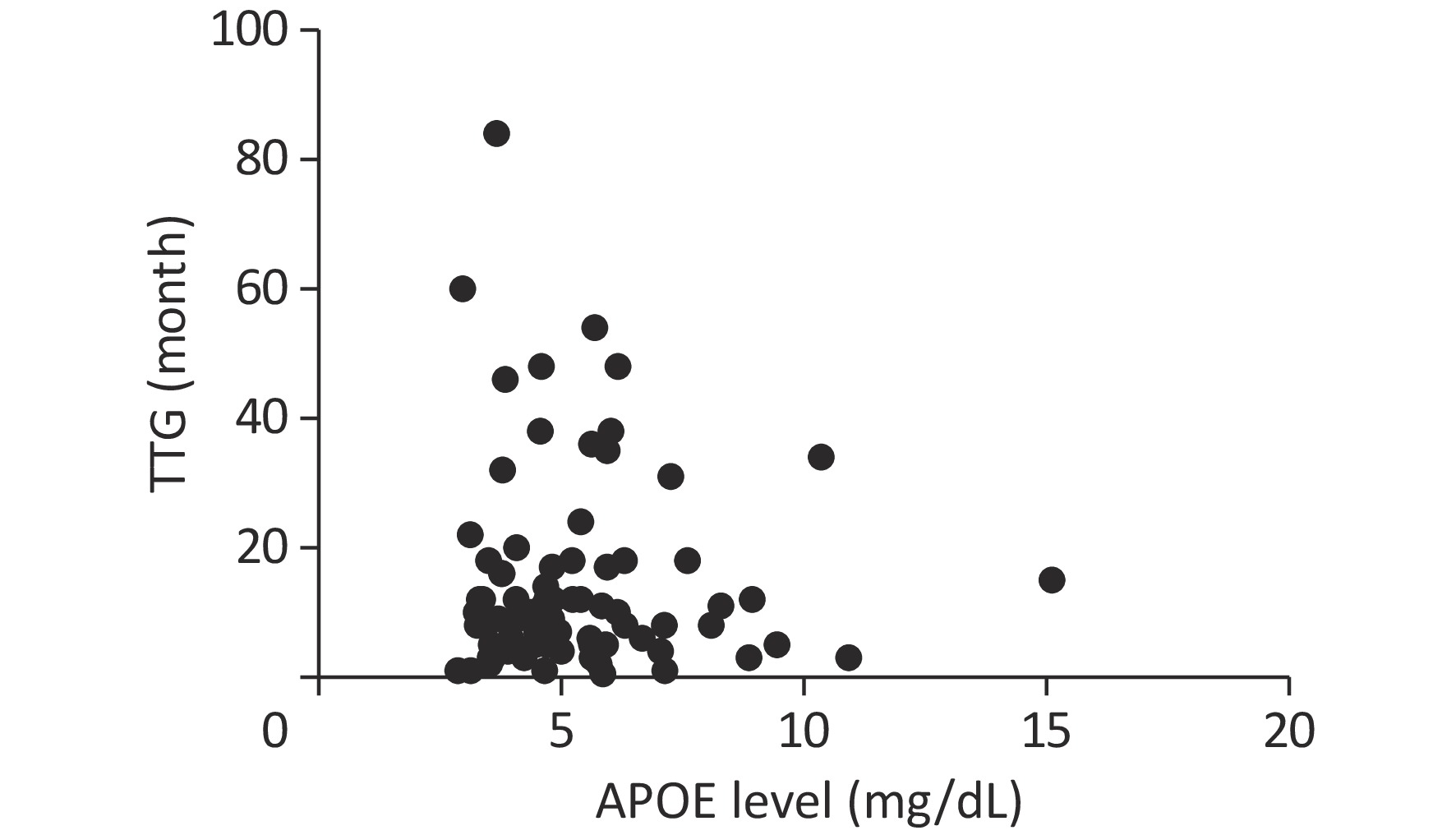
Objective To evaluate the effects of apolipoprotein E (APOE) genotype and serum APOE levels on cognitive and motor phenotypes in Chinese patients with sporadic amyotrophic lateral sclerosis (ALS).Methods APOE genotypes were determined in 289 patients with sporadic ALS, and serum APOE levels were measured in a subset of 222 patients. Cognitive function was assessed using the Edinburgh Cognitive and Behavioural ALS Screen. We examined the association of APOE genotype and serum levels with age at onset, site of onset, disease progression rate (DPR), time to generalization of symptoms (TTG), and cognitive performance.Results No significant differences were observed in sex, age at onset, site of onset, DPR, or TTG among patients with different APOE genotypes. Similarly, serum APOE levels did not correlate with these clinical variables. However, the APOE-ε4 allele was associated with lower ALS-specific cognitive scores, particularly in the domain of verbal fluency.Conclusion Our study provides preliminary evidence linking the APOE-ε4 allele to cognitive impairment, particularly in language fluency, among Chinese patients with ALS. These findings support the hypothesis that APOE genotype contributes to ALS etiology and suggest its role in shaping distinct cognitive phenotypes in the disease.
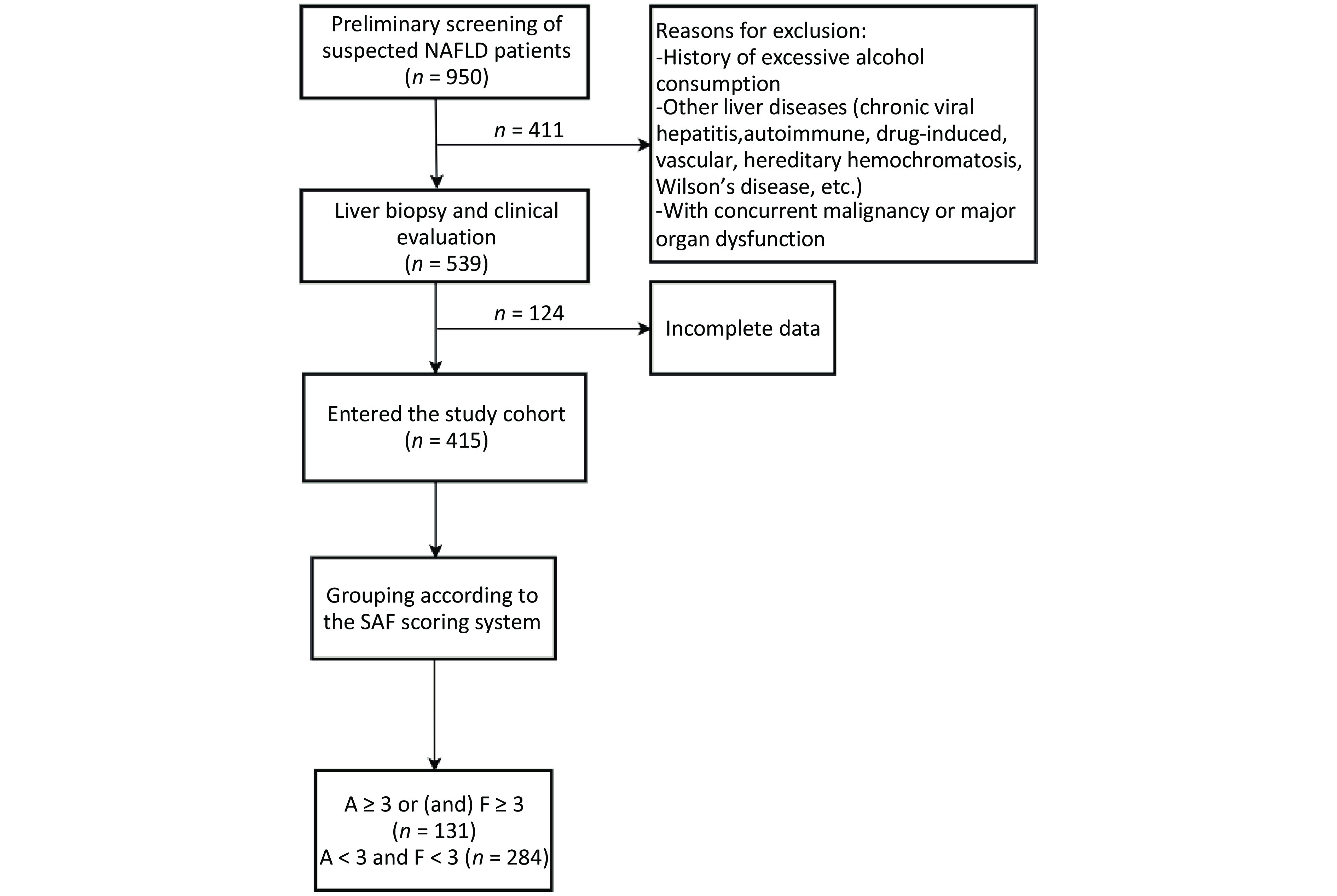
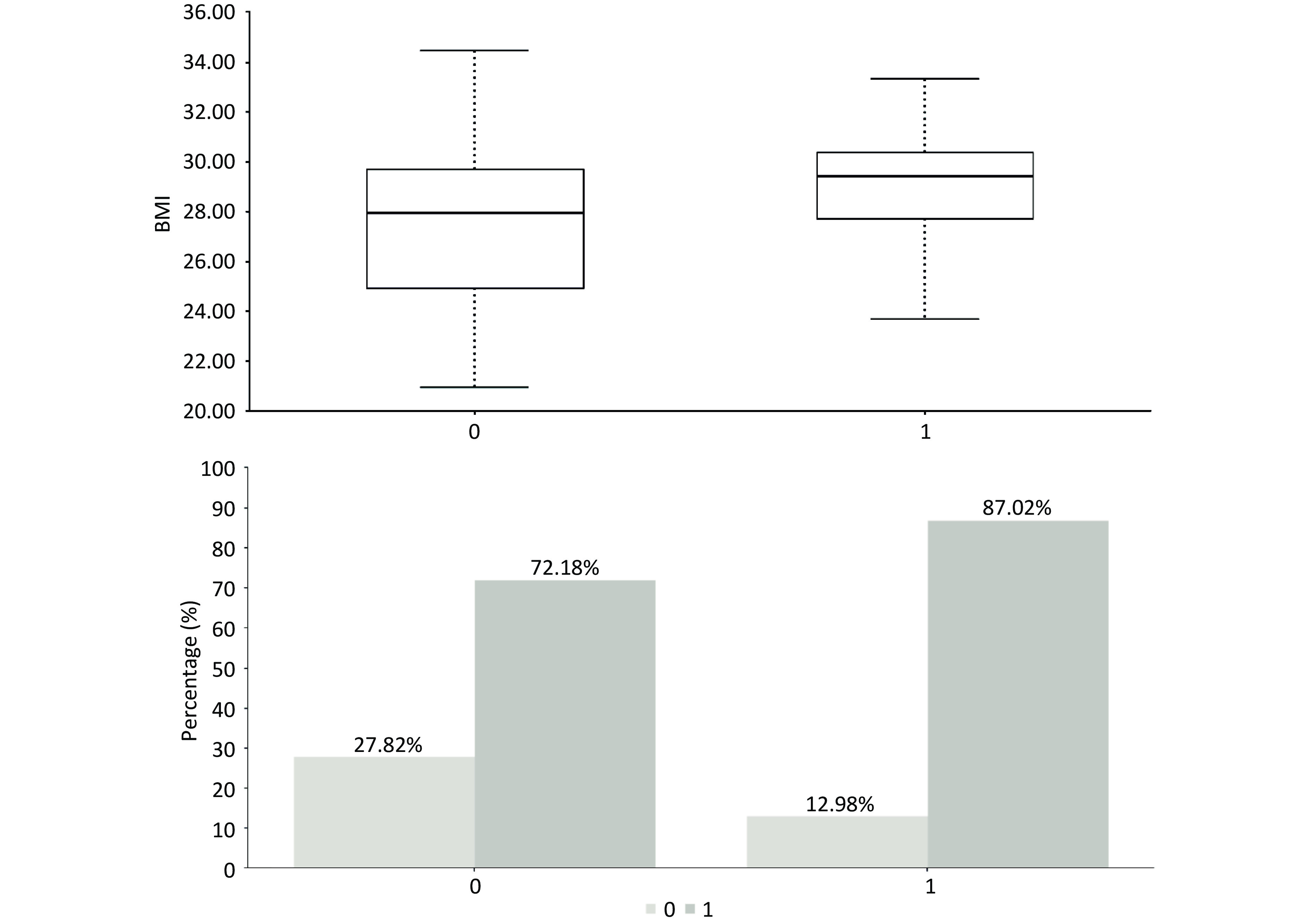
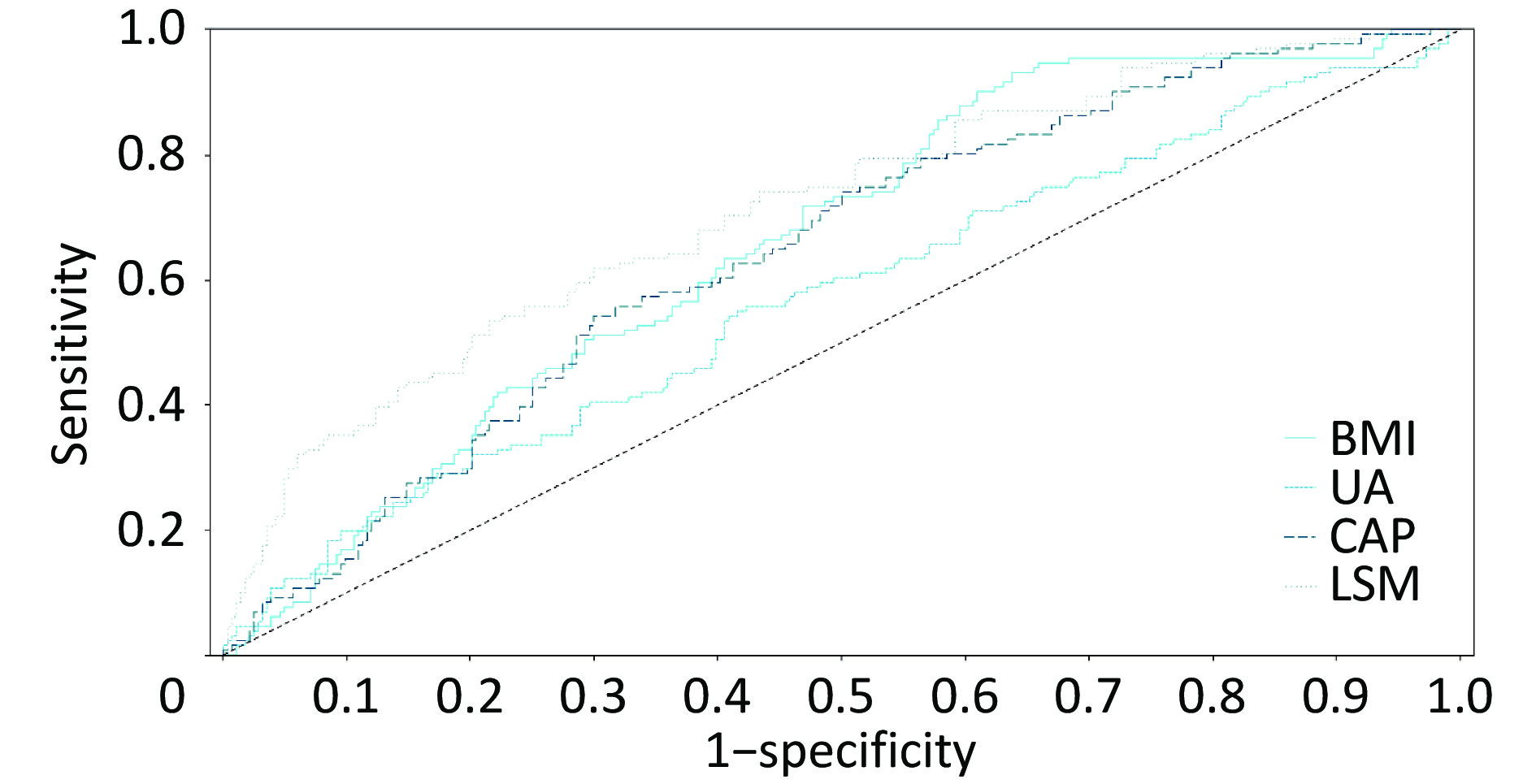
Objective To investigate risk factors associated with significant histologic lesions in metabolic dysfunction-associated steatotic liver disease (MASLD) using the SAF (Steatosis, Activity, Fibrosis) scoring system and to develop a risk prediction model.Methods In this retrospective cohort of 415 biopsy-proven MASLD patients (2018–2022), participants were stratified into significant lesion (SAF activity grade ≥ 3 and/or fibrosis stage ≥ 3, n = 131) and non-significant lesion (activity < 3 and fibrosis < 3, n = 284) groups. Demographic, laboratory, and imaging parameters including platelet count (PLT), aspartate aminotransferase (AST), alanine aminotransferase (ALT), gamma-glutamyl transferase (GGT), alkaline phosphatase (ALP), total bilirubin (TBIL), direct bilirubin (DBIL), total bile acids (TBA), triglycerides (TG), total cholesterol (TC), fasting plasma glucose (FPG), uric acid (UA), laminin (LN), hyaluronic acid (HA), procollagen type III (PC-III), collagen type IV (C-IV), controlled attenuation parameter (CAP), and liver stiffness measurement (LSM) were analyzed.Results Patients with significant lesions had higher body mass index (BMI), proportion of high-fat diet, AST, ALT, TBA, UA, CAP, and LSM (all P < 0.05). Multivariate logistic regression identified BMI (OR = 1.182), UA (OR = 1.003), CAP (OR = 1.005), and LSM (OR = 1.104) as independent predictors of significant histologic lesions, with a model area under the curve of 75.18%.Conclusion BMI, hyperuricemia, hepatic steatosis (CAP), and fibrosis (LSM) are independent risk factors for advanced MASLD. A combined non-invasive assessment may enhance risk stratification in clinical practice.
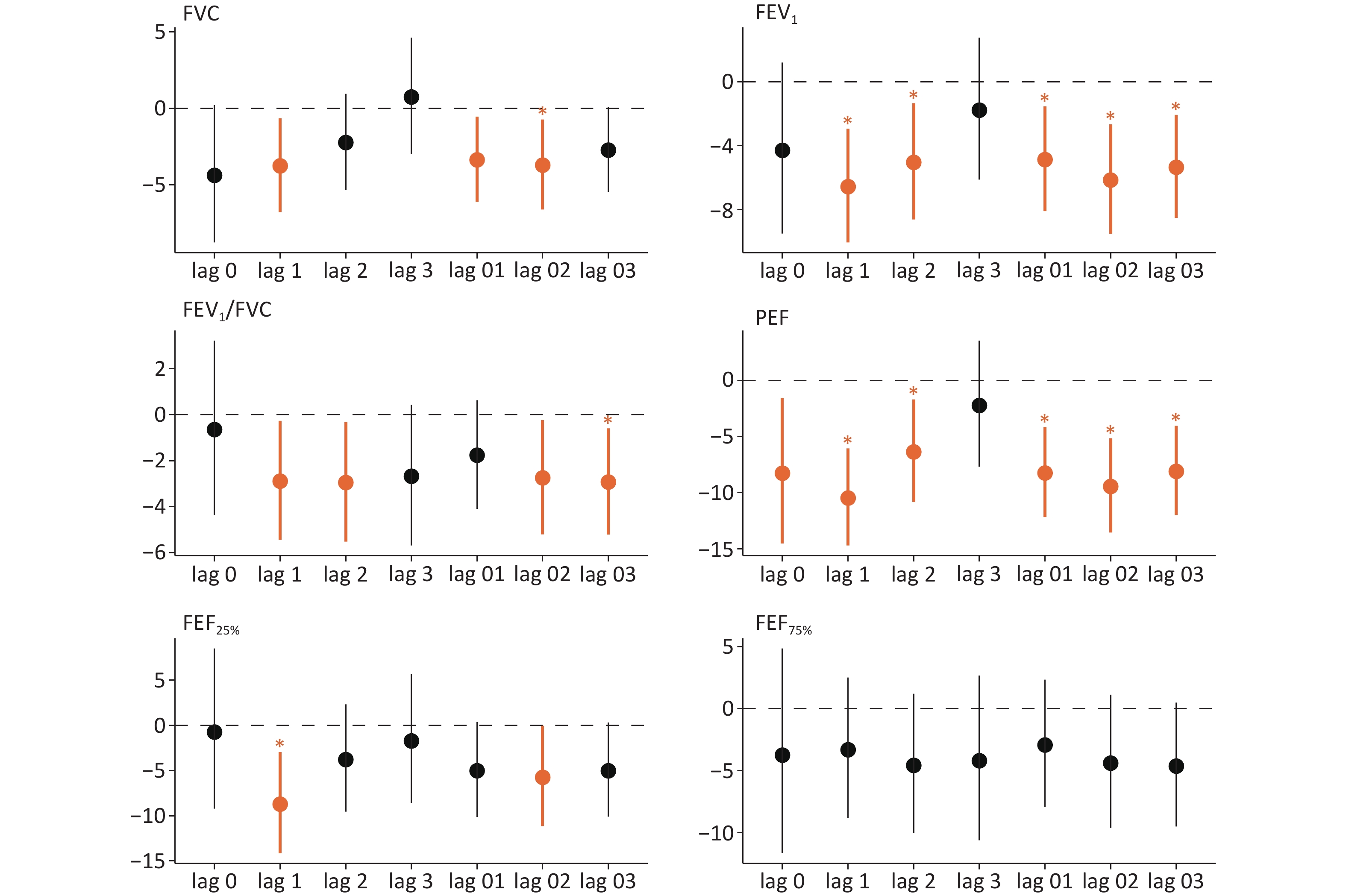
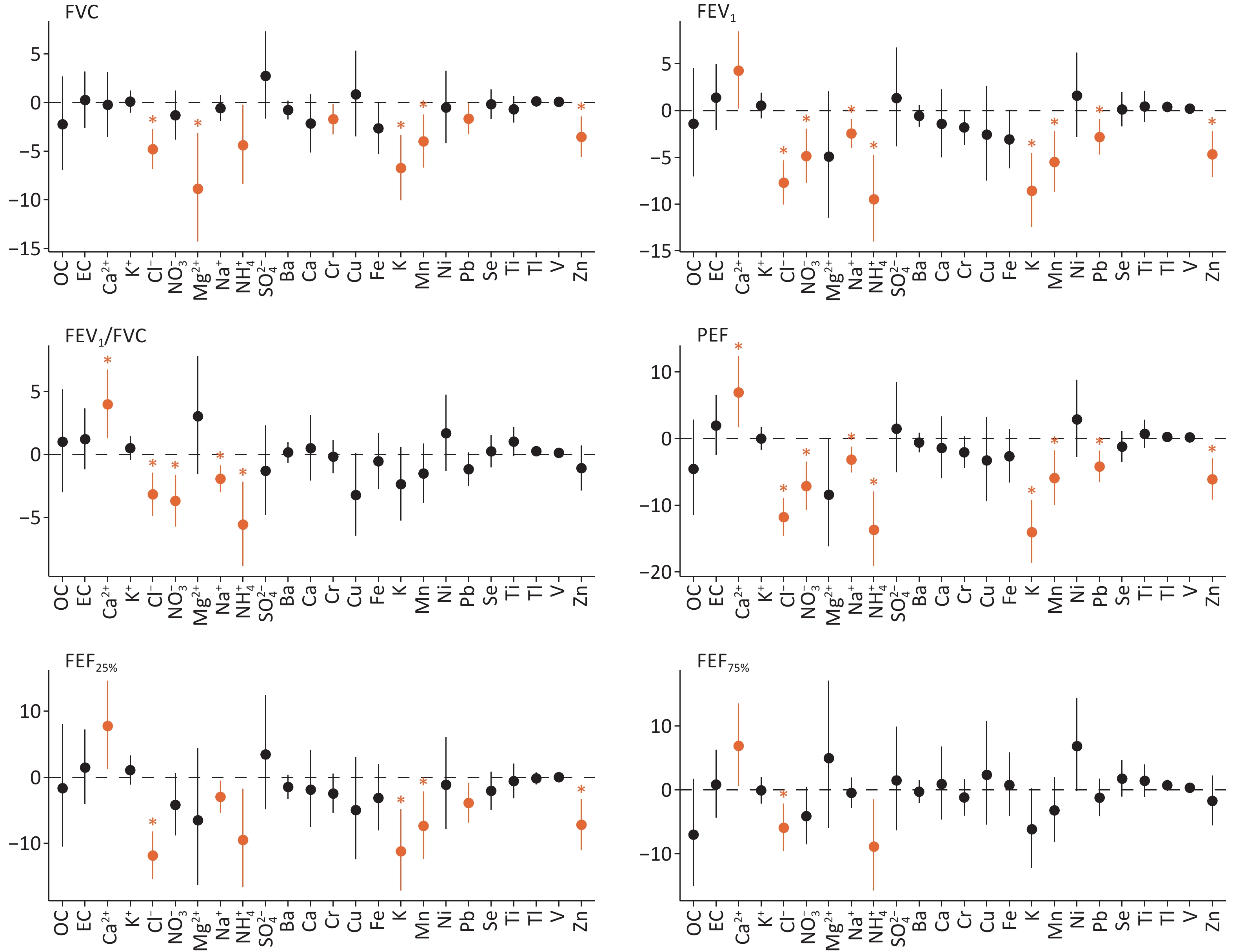
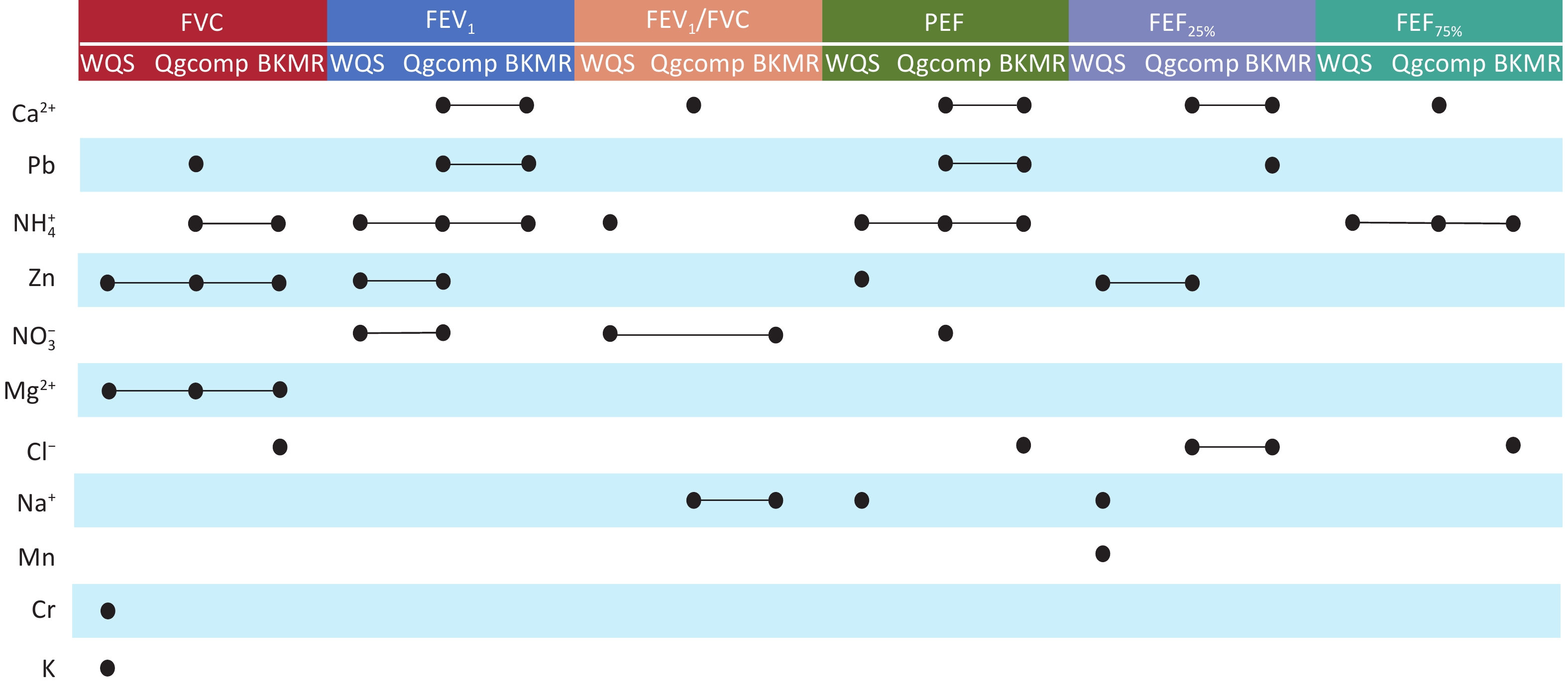
This study evaluated the impact of Particulate Matter 2.5 (PM2.5) and its components on lung function. In total, 2,045 participants aged 40–89 years were recruited for this multi-center cross-sectional study. Lung function measurements were performed. Real-time PM2.5 and its component data were obtained from atmospheric monitoring sites. Linear mixed-effects (LME) models were used to assess the relationships between PM2.5, its components, and lung function. Weighted quantile sum regression, quantile g-computation, and Bayesian kernel machine regression were applied to assess the joint effects of PM2.5 components on lung function. The mean PM2.5 concentration during the study period was 71.92 μg/m3. Among PM2.5 components, nitrate had the highest mean concentration (16.82 μg/m3), followed by organic carbon and sulfate. In the LME models, PM2.5 exposure at a 1-day lag, scaled to its interquartile range, was significantly related to decreased lung function. Specifically, forced vital capacity (FVC), forced expiratory volume in 1 s (FEV1), one-second rate (FEV1/FVC), peak expiratory flow (PEF), and forced expiratory flow at 25% FVC (FEF25%) decreased by 3.75%, 6.56%, 2.89%, 10.48%, and 8.71%, respectively. An age-stratified analysis showed stronger negative associations among participants aged ≥ 60 years compared with middle-aged adults. In mixed-exposure models, the PM2.5 mixture was significantly linked to a decline in lung function. Zinc (Zn) and magnesium ion (Mg2+) were significantly linked to reduced FVC and ammonium ion (NH4+) was identified as a key contributor to reduced FEV1, PEF, and FEF75%. Lung function declined with increasing PM2.5 and its components. Zn, Mg2+, and NH4+ were identified as key components.




















 Quick Links